
Top Emergency HVAC Services in Twin Falls, ID, 83301 | Compare & Call

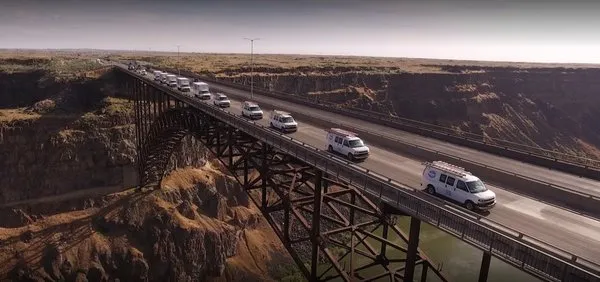
Terry's Heating & Air Conditioning
Terry's Heating & Air Conditioning has been the trusted name for reliable climate control in Twin Falls, ID, since 1977. We are a licensed and insured, family-operated HVAC provider dedicated to keepi...
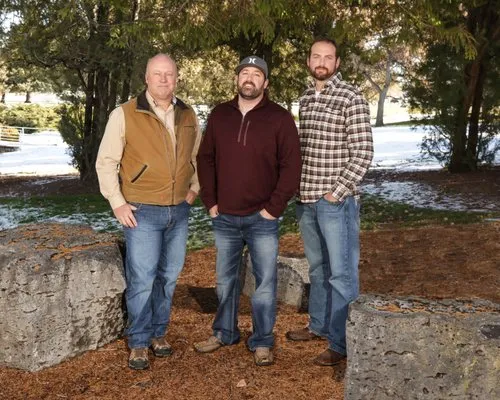
Todd Croys and his team at Croys Heating & Cooling have been a trusted fixture in the Magic Valley since 2001, providing reliable HVAC solutions to Twin Falls and surrounding counties. Starting with a...
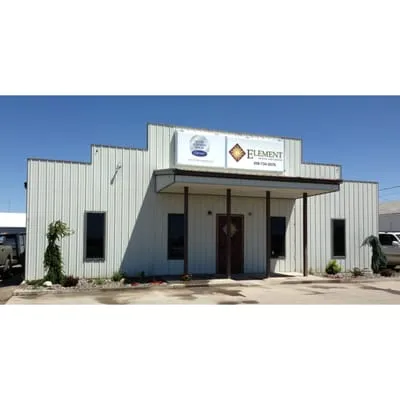
Element Heating & Cooling
Element Heating & Cooling is your trusted local HVAC and home comfort expert in Twin Falls. As a Carrier Factory Authorized dealer with NATE-certified technicians, we provide reliable installation, re...
Brizee Heating & Air Conditioning
Brizee Heating & Air Conditioning is a family-owned HVAC company serving Twin Falls, ID, with over 25 years of experience. Led by Dan Brizee, the fourth generation in the family business, they special...
Evans Plumbing
For over 35 years, Evans Plumbing has been the trusted choice for plumbing and HVAC service in Twin Falls and the Magic Valley. Founded by Mel Evans with a deep commitment to customer service, we've g...
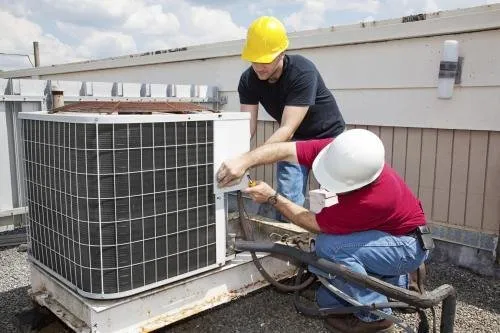
Plew's Heating and Air Conditioning
Plew's Heating and Air Conditioning is a licensed HVAC contractor serving Twin Falls, ID, and surrounding areas. We specialize in installation, repair, and maintenance of residential and commercial he...

Hanchey's Heating, AC & Insulation
Hanchey's Heating, AC & Insulation is a family-owned and operated business serving Twin Falls, ID, with comprehensive home comfort solutions. We specialize in HVAC installation, replacement, repair, a...
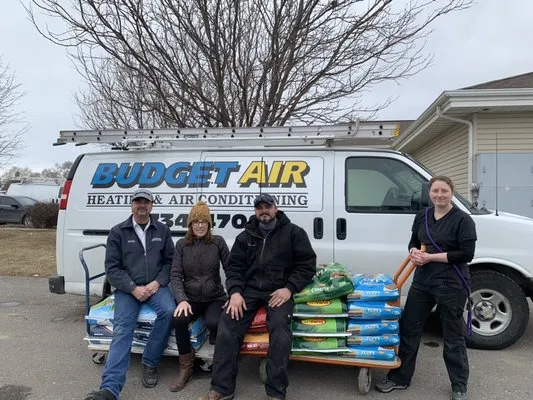
Since 2006, Budget Air & Heating has been the trusted local choice for HVAC services in Twin Falls and the Magic Valley. Founded by Ross, who started as a one-man shop, we built our reputation on prov...
Jerry's Heating & Air Conditioning
Jerry's Heating & Air Conditioning is a trusted, full-service HVAC and metal fabrication company serving Twin Falls and the surrounding Magic Valley. We specialize in installing, repairing, and replac...
Solution Pros in Twin Falls, ID is a trusted provider of electrical, HVAC, and plumbing services for local homeowners and businesses. Founded on principles of reliability and honest communication, we ...
Common Questions
My Highland Park home has no cooling during a heatwave. How quickly can help arrive?
From our service center near Shoshone Falls Park, we dispatch technicians via US-93 to reach Highland Park in approximately 12 minutes. This routing avoids downtown congestion during peak hours. We prioritize no-cool emergencies in summer months when indoor temperatures can rise rapidly. Our vehicles carry common replacement parts like capacitors to address immediate failures on site.
My Twin Falls HVAC system seems to fail every summer. Is this normal for our area?
The average Twin Falls home was built in 1981, making many HVAC systems around 45 years old. This age aligns with the typical lifespan of galvanized steel ductwork and original components. Capacitor failure becomes common in older systems due to extreme temperature swings between our semi-arid days and cool nights. The electrical components degrade over decades of thermal cycling, leading to breakdowns during peak demand periods.
What efficiency standards apply to new HVAC systems in Twin Falls for 2026?
Federal regulations now require a minimum 13.4 SEER2 rating for all new installations. Twin Falls residents benefit from the Inflation Reduction Act's HEEHRA rebates, offering up to $8,000 for qualifying high-efficiency systems. With Idaho Power rates at $0.09/kWh, upgrading from older units typically yields a 30-40% reduction in cooling costs. The utility's HVAC Efficiency Program adds another $400 rebate for systems exceeding minimum standards.
Should I consider switching from gas heat to a heat pump in Twin Falls?
Twin Falls winters with lows around 14°F make cold-climate heat pumps a viable alternative to gas heating. Modern units maintain heating capacity down to -13°F using R-454B refrigerant. Idaho Power's peak hours from 14:00-19:00 align with when heat pumps work hardest during winter evenings. The combination of federal rebates and lower operating costs during mild shoulder seasons makes transition economically attractive for many homeowners.
Can my home's air filtration handle wildfire smoke and spring pollen in Twin Falls?
Wildfire smoke from regional fires and May pollen peaks create distinct filtration challenges. Most galvanized steel ductwork in Twin Falls homes can accommodate MERV-13 filters without significant static pressure issues when properly sized. Higher filtration reduces particulate matter during smoke events while capturing pollen grains. We recommend professional static pressure testing before upgrading filters to ensure your blower motor can maintain proper airflow.
How well do modern air conditioners handle Twin Falls summer temperatures?
Twin Falls experiences summer highs around 92°F, which matches the standard design temperature for HVAC systems. New R-454B refrigerant systems maintain efficiency up to 115°F ambient temperature, providing adequate capacity during our hottest days. The semi-arid climate reduces latent load demands compared to humid regions. Proper sizing through Manual J calculations ensures systems can handle temperature extremes without short-cycling.
My Ecobee thermostat shows an E1 error code. What does this mean for my system?
The Ecobee E1 alert indicates a communication failure between the thermostat and HVAC equipment. In Twin Falls, this often results from voltage fluctuations during afternoon thunderstorms or capacitor degradation in older systems. The error triggers equipment shutdown to prevent damage from incorrect operation. We recommend checking circuit breakers and wiring connections before calling for service, as loose connections in galvanized steel enclosures can cause intermittent signals.
What permits and safety standards apply to new HVAC installations in Twin Falls?
The Twin Falls Building Department requires permits for all HVAC replacements involving refrigerant changes or electrical modifications. Since 2026, R-454B and other A2L refrigerants mandate special handling certifications due to mild flammability. Installations must include leak detection systems and proper ventilation in mechanical rooms. These 2026 standards address the transition from older refrigerants while maintaining safety in residential applications.
