
Top Emergency HVAC Services in Charleston, IL, 61920 | Compare & Call


Bosler's Heating & Air is Charleston's trusted HVAC specialist, serving local homeowners with reliable heating and cooling solutions. We understand the common frustrations Charleston residents face, l...
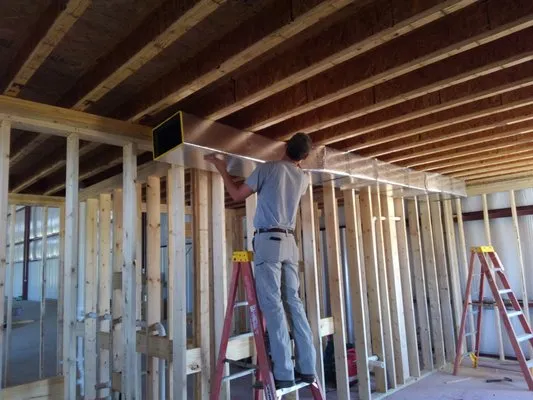
L D Mechanical Contractors
L D Mechanical Contractors is a family-owned plumbing, heating, and air conditioning business serving Charleston, IL, and Central Illinois since 1982. Founded by Les Dallas, the company has built a re...
Atteberry & Marshall Heating & Air Conditioning
Atteberry & Marshall Heating & Air Conditioning is a trusted local HVAC provider serving Charleston, IL, and the surrounding communities. We specialize in diagnosing and resolving common area heating ...
Simpson's Heating & Air Inc. is a locally owned and operated HVAC company serving Charleston, IL, and the surrounding area for over 15 years. We specialize in professional heating and cooling services...
A & M Mechanical of Charleston
A & M Mechanical of Charleston is your trusted local expert for heating, air conditioning, and plumbing services in Charleston, IL. As a cornerstone of the community, we understand the specific challe...
Rardin Plumbing Heating & A/C is Charleston's trusted name for home comfort, specializing in both plumbing and HVAC services. As a local, family-owned business, we understand the specific challenges h...
Simpson's Heating & Air is Charleston, IL's trusted local HVAC specialist. We understand the specific challenges homeowners face in our climate, from air duct leaks that waste energy and reduce comfor...
H & W Plumbing Heating & A/C is a trusted, full-service contractor serving Charleston, IL, and the surrounding communities. For years, local homeowners have relied on their expertise to tackle common ...
Atteberry & Marshall Heating & Air
Atteberry & Marshall Heating & Air has been providing reliable HVAC services to Charleston, IL, and surrounding communities for years. As a licensed and locally-owned company, we specialize in the ins...
Common Questions
My air conditioner stopped on a hot day near Eastern Illinois University. How fast can a technician get here?
For a no-cool emergency in Downtown Charleston, a dispatch from a local service center can typically route a technician via IL-16 to reach most homes near the university within 5 to 10 minutes. The first diagnostic steps over the phone would involve checking the circuit breaker and the condensate safety switch, a frequent culprit. This quick response is standard for critical comfort failures during peak cooling demand.
Why does my air conditioner struggle when it gets above 90 degrees?
Charleston's HVAC systems are typically designed for a 90°F outdoor temperature, based on historical climate data. When ambient temperatures exceed this design limit, as they increasingly do, the system's capacity to reject heat diminishes, reducing its cooling output and causing it to run continuously. Modern systems using R-454B refrigerant maintain better performance and efficiency at these higher temperatures compared to older R-22 or R-410A units, but all systems experience some capacity drop in extreme heat.
My Ecobee thermostat is showing an E164 alert. What does that mean?
The Ecobee E164 alert specifically indicates a loss of communication with the outdoor heat pump or air conditioner unit. In Charleston, this often points to a tripped high-pressure switch, a failed low-voltage wire connection damaged by weather, or a faulty control board. It is a diagnostic signal that prevents the system from operating, requiring a technician to check the outdoor unit's electrical connections, refrigerant pressure, and safety controls to restore function.
With gas heat, is switching to a heat pump a practical choice for Charleston winters?
A modern cold-climate heat pump is a viable primary heating source for Charleston, given our winter lows. The technology efficiently extracts heat from outdoor air even during Ameren Illinois's peak demand hours from 12:00 to 18:00. When paired with the HEEHRA rebates, the switch from gas can be cost-effective, though a proper Manual J load calculation is essential to size the unit correctly. This ensures adequate capacity and avoids reliance on inefficient backup electric heat during the coldest spells.
What does the new 14.3 SEER2 minimum mean for my utility bills?
The 14.3 SEER2 federal minimum effective in 2026 represents a significant efficiency jump from older units, which can be below 10 SEER. At Charleston's average rate of $0.14 per kWh, upgrading from such a unit to a modern 16-18 SEER2 system can cut cooling costs by roughly 30-40%. The active Inflation Reduction Act HEEHRA rebates, with a cap of $8,000 for qualified heat pump installations, can offset a major portion of the upgrade cost, improving the payback period substantially.
Can my home's duct system handle a high-efficiency air filter for ozone and pollen?
Your existing galvanized sheet metal with fiberglass duct board may have restrictive fittings and degraded internal surfaces. Installing a MERV-13 filter, which effectively captures pollen from our May peak and fine particulates, often increases static pressure. This added resistance can reduce airflow, cause freezing on the evaporator coil, and strain the blower motor. A technician should perform a static pressure test before upgrading filtration to ensure your duct system can accommodate the change without harming system operation.
What are the permit and safety rules for a new A2L refrigerant system?
Any installation of a system using R-454B, an A2L mildly flammable refrigerant, requires a permit from the City of Charleston Building and Zoning Department. The 2026 UL 60335-2-40 safety standard mandates specific leak detection sensors, revised refrigerant line set practices, and updated service procedures. Only EPA Section 608 certified technicians with additional A2L safety training are legally qualified to handle these refrigerants, ensuring installations meet strict new codes for occupant safety.
My HVAC system is original to my 1976 Charleston home. Should I be concerned?
A system installed in 1976 is now 50 years old, operating well beyond its 15-20 year design life. In Charleston's humid continental climate, older galvanized ductwork and fiberglass duct board often develop internal corrosion and moisture issues. This environment directly promotes the common failure point of condensate drain blockage due to algae growth, as the drain pan and lines become breeding grounds. The system's efficiency is likely below 8 SEER, and refrigerant leaks from aged components are a near certainty.
