
Top Emergency HVAC Services in Des Plaines, IL, 60007 | Compare & Call

JML Heating and Cooling
JML Heating and Cooling has been a trusted HVAC provider for Des Plaines and the Chicagoland area since 2007. We specialize in the installation, maintenance, and repair of residential and commercial h...
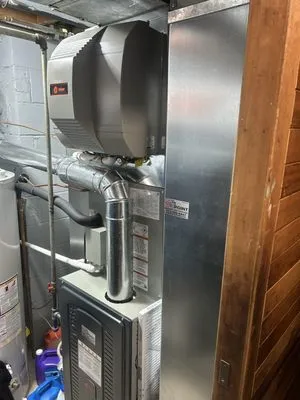
On Point Heating and Cooling is a family-owned and operated HVAC service and installation company based in Des Plaines, IL, serving the Chicagoland area and surrounding suburbs. With a focus on reside...
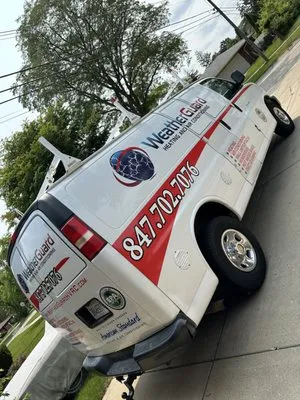
WeatherGuard HVAC is your trusted local heating and air conditioning partner in Des Plaines, IL. As an EPA-certified service provider and authorized American Standard dealer, we bring decades of exper...
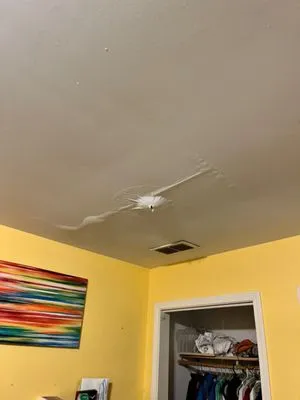
Home Comfort Services has been the trusted local HVAC provider for Des Plaines and the Northwest Chicago suburbs since 1997. Founded right here in town, our office in Des Plaines is perfectly position...

BRC Heating & Cooling
BRC Heating & Cooling has been a trusted HVAC and water heater specialist serving Des Plaines and surrounding communities since 1977. As a locally owned and operated business, we understand the unique...
Zen Air Solutions is a trusted, multi-trade contractor serving Des Plaines and the surrounding Northwest Suburbs. We specialize in HVAC, electrical, and plumbing services, providing comprehensive solu...
Right Away Plumbing and Heating Cooling
Right Away Plumbing and Heating Cooling is a premier family-owned and operated plumbing and HVAC company serving Des Plaines and the greater Chicago area. For over 25 years, our dedicated team of lice...
Eco-Green Heating & Cooling is a family-owned HVAC company serving Des Plaines, IL, with a focus on integrity and dependable service. Our team of highly trained technicians specializes in residential ...
Weather Control
Weather Control Heating and Cooling is a trusted, locally-owned HVAC and water heater specialist serving Des Plaines and the Chicago Northwest Suburbs. As a fully licensed, bonded, and insured company...
Raeco Engineering is a trusted HVAC company serving Des Plaines, IL, and the surrounding communities. We specialize in providing expert solutions for common local heating and cooling problems, such as...
Question Answers
My furnace and AC seem original to my house. How much life do they likely have left?
Systems in Des Plaines homes built around 1966 are now 60 years old, far exceeding the 15-20 year service life of galvanized steel ductwork and original equipment. This age is the primary reason for chronic condensate drain line blockages; internal corrosion and decades of algae buildup severely restrict drainage. You are operating on borrowed time, where a single component failure often totals the system due to obsolete parts and incompatible refrigerants.
Can my older duct system handle a better air filter for our ozone and pollen issues?
Your existing galvanized steel ductwork, while durable, may not handle a standard MERV-13 filter without causing high static pressure and airflow problems. Des Plaines has an ozone risk and a pronounced pollen peak in May, so improved filtration is wise. A professional should perform a static pressure test; the solution is often a 4- or 5-inch media cabinet that provides MERV-13 equivalent filtration with far less resistance.
My Ecobee thermostat is showing an E1 alert. What does this mean for my system?
An Ecobee E1 alert indicates the thermostat has lost communication with your HVAC equipment, often due to a safety lockout or power interruption at the indoor air handler. In Des Plaines, this is frequently triggered by a secondary condensate safety switch tripping from a blocked drain line—the most common failure point in our humid climate. Check the float switch near your furnace; if it's raised, the drain line requires immediate cleaning to restore operation.
I use gas heat now. Is a heat pump a practical primary system for our winters?
Modern cold-climate heat pumps are viable for Des Plaines, as they maintain capacity down to 5°F. The economics depend on your gas versus electricity costs and ComEd's peak hours from 12:00 to 18:00. A hybrid system, which uses a heat pump for moderate weather and automatically switches to your gas furnace during extreme cold or peak pricing, often provides the optimal balance of comfort, efficiency, and operating cost.
What does the new 13.8 SEER2 minimum mean for my electricity bill, and are there rebates?
The 2026 federal 13.8 SEER2 minimum is a baseline; modern high-efficiency systems in Des Plaines often reach 17-20 SEER2. At the local ComEd rate of $0.16 per kWh, upgrading a 3-ton system from 13 to 18 SEER2 can save about $150 annually. The Inflation Reduction Act's HEEHRA rebates, active with an $8,000 cap, can directly offset 30% of this upgrade cost, making the payback period significantly shorter.
Why does my AC struggle when it gets above 95 degrees, even though it was working fine?
Chicago-area systems are engineered for a 91°F design temperature, based on historical data. When ambient temperatures exceed this, as they increasingly do, the system's capacity drops and it must run continuously to approach the setpoint. The newer R-454B refrigerant standard performs better in these high-load conditions than older R-410A, but no system can maintain its rated capacity during extreme heat waves.
If my AC quits on a hot day in the Uptown area, how fast can a technician get here?
For a no-cool emergency, a technician can typically be dispatched from our shop near the Des Plaines Public Library and reach Uptown via I-90 within 15 to 25 minutes. We prioritize these calls during heat advisories. Before we arrive, check your home's main breaker panel and ensure the outdoor unit's disconnect switch and indoor air handler power are both on, as this resolves many simple service calls.
What are the legal and safety requirements for installing a new AC unit in 2026?
All installations must be permitted through the City of Des Plaines Community and Economic Development Department. The 2026 code mandates specific safety standards for A2L refrigerants like R-454B, which are mildly flammable. This requires a licensed technician, leak detection systems, revised refrigerant line set practices, and updated labeling. These protocols ensure safe operation but underscore why DIY installation of modern equipment is not compliant or advisable.
