
Top Emergency HVAC Services in Fort Russell, IL, 62010 | Compare & Call

There are 131 hvac companies server in Fort Russell IL
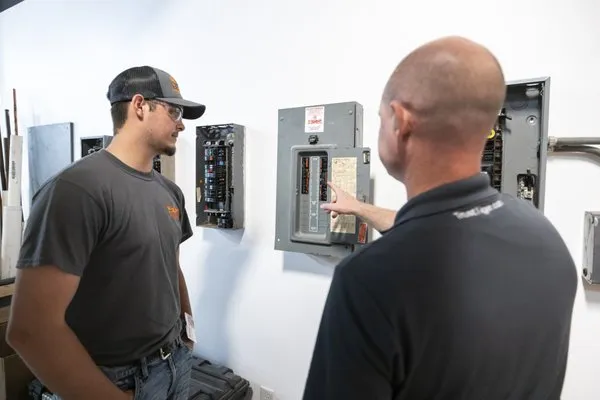
Tiger Plumbing, Heating, Air Conditioning, & Electrical Services
Tiger Plumbing, Heating, Air Conditioning, & Electrical Services is the trusted local provider for Collinsville, IL, and the surrounding Metro East communities. We handle a wide range of essential hom...
Greg's Service has been a trusted name in Wood River's heating and cooling community for over three decades. As a licensed and bonded contractor, we provide reliable HVAC installation, repair, and mai...
Jeff's Heating & Cooling is a trusted HVAC service provider serving Troy, IL, and the surrounding communities. Specializing in heating and air conditioning repair, installation, and maintenance, Jeff'...
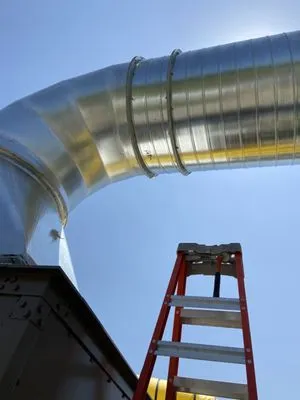
Janssen Heating Cooling Plumbing & Insulation
Janssen Heating Cooling Plumbing & Insulation is a family-owned and operated business serving Godfrey, IL, with over 17 years of hands-on experience. Founded on the principle of leaving a lasting lega...
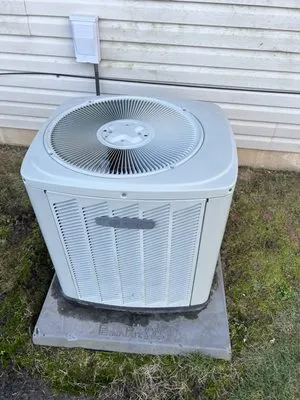
Kelvin Heating and Cooling
Kelvin Heating and Cooling is a trusted, family-owned HVAC business serving Collinsville and the Metro East. As your neighbors, we understand the local climate's demands on your home comfort systems. ...
Schmidt & Son Heating & Air Conditioning
For over 80 years, Schmidt & Son Heating & Air Conditioning has been the trusted choice for Edwardsville and the St. Louis Metro East area. As a family-owned and operated business since 1928, we provi...
Maia Air Solutions is your trusted local HVAC specialist in Litchfield, IL, providing reliable heating and air conditioning services to keep homes comfortable year-round. We understand the common HVAC...
Newton Heating and Cooling is a trusted, locally-owned HVAC company serving Bethalto and surrounding areas. We understand the specific challenges homeowners in our community face, such as frustrating ...

Inman Heating & Cooling
For over 60 years, the Inman family has been the trusted name for heating and cooling in Columbia, IL, and the surrounding Southern Illinois communities. The business, started by my father in 1963, is...

Heritage Heating & Cooling is a veteran-operated HVAC company proudly serving O'Fallon and the surrounding areas with over 30 years of combined experience. Founded by Marine veteran Jim, and with Lead...
Estimated HVAC Service Costs in Fort Russell, IL
Q&A
What are the permit and safety rules for a new AC installation in 2026?
All installations in Fort Russell require a permit from the City Building & Zoning Department. Since 2025, new systems predominantly use A2L refrigerants like R-454B, which are mildly flammable. This mandates compliance with updated safety standards (UL 60335-2-40) for leak detection, installation clearances, and technician certification. Your contractor must file the permit and prove adherence to these 2026 codes for both rebate qualification and safety.
Our Ecobee thermostat is showing an E4 alert. What does that mean here?
An Ecobee E4 code signals a loss of communication with the outdoor unit. In Fort Russell's environment, this is frequently caused by a condensate drain line clog—the high humidity leads to overflow, triggering a safety float switch that cuts power to the condenser. It can also indicate a failed control board or wiring issue. This alert prevents compressor damage from operating without proper drainage.
We have gas heat. Is a heat pump a practical option here given our cold winters?
Modern cold-climate heat pumps are designed for Illinois winters, operating efficiently at temperatures well below freezing. The economic analysis for Fort Russell homes often favors a dual-fuel system, which uses the heat pump as the primary source and the existing gas furnace as backup during utility peak hours from 2 PM to 7 PM or extreme cold snaps. This maximizes the IRA rebate for the heat pump while minimizing operating costs.
What does the new 14.3 SEER2 minimum mean for our electricity bills?
The 14.3 SEER2 federal minimum effective in 2026 ensures new systems use significantly less energy than your likely original unit. At Fort Russell's average rate of $0.15 per kWh, upgrading a 3-ton system can cut cooling costs by roughly 40-50%. The active Inflation Reduction Act rebates, with caps up to $8,000, substantially offset the premium for high-efficiency models, making the long-term savings immediate.
Can our old duct system handle a better air filter for ozone and pollen?
Your existing galvanized sheet metal ducts with external wrap are generally robust, but adding a MERV-13 filter for May pollen peaks and ozone risk requires assessment. Older blowers often lack the static pressure capacity to push air through such a dense filter without causing airflow starvation. A technician must measure static pressure to confirm your system can adapt; otherwise, we risk reduced cooling and increased energy use.
Our house is from the 1970s. Should we expect HVAC problems just from its age?
A system installed when your home was built is over 50 years old, well beyond its typical service life. In Fort Russell's humid continental climate, this age directly contributes to frequent condensate drain line clogs. The constant humidity creates substantial condensate, and decades of microbial growth inside the galvanized sheet metal ducts and drain pans leads to persistent blockages. This is a primary reason for water damage and system shutdowns in older Central Business District homes.
If our air conditioner stops on a hot day, how quickly can a technician arrive?
For a no-cool emergency in the Central Business District, a dispatch from near Fort Russell City Hall provides a strategic advantage. Using I-55 for north-south access, our typical response window is 12 to 18 minutes. This routing avoids downtown congestion, allowing us to address critical failures like a tripped breaker or failed capacitor before the indoor temperature rises excessively.
Why does our AC struggle on the hottest days, even if it's newer?
Fort Russell's design temperature for HVAC sizing is 91°F. When actual temperatures exceed this, any system must run continuously to approach the setpoint, reducing its apparent capacity. Modern units using R-454B refrigerant maintain better efficiency and pressure at these higher temperatures than older refrigerants, but the fundamental physics of the 91°F design limit means some capacity drop is expected during extreme heat.
