
Top Emergency HVAC Services in Lansing, IL, 60411 | Compare & Call

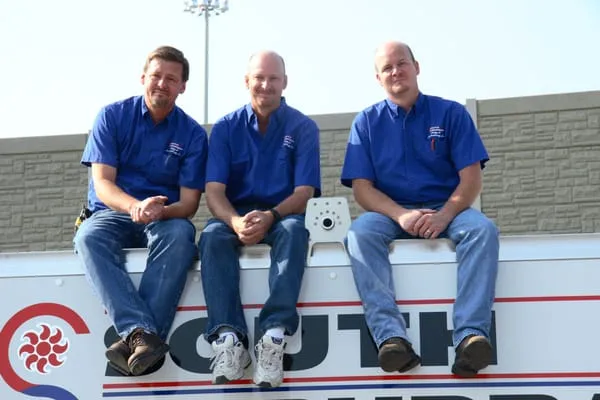
South Suburban Htg & A/C is a family-owned and operated HVAC company serving Lansing, IL, since the early 1960s. With decades of experience, we specialize in HVAC installation, repair, and maintenance...
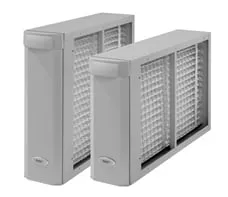
Smart Move Home Comfort Solutions has been serving Lansing, IL, and the surrounding Chicagoland and NW Indiana area since 2008, providing reliable heating and cooling services. Founded and operated by...

Lansing Heating & Air Conditioning
Lansing Heating & Air Conditioning has been a trusted local HVAC provider in Lansing, IL, since 1971, offering reliable heating and cooling solutions for homes and businesses. As a Carrier Factory Aut...
Wondaal's Heating & Air Condtg is a trusted HVAC company serving Lansing, IL, and the surrounding communities. With years of experience, we specialize in diagnosing and repairing common local heating ...
A&J Heating & Air Conditioning
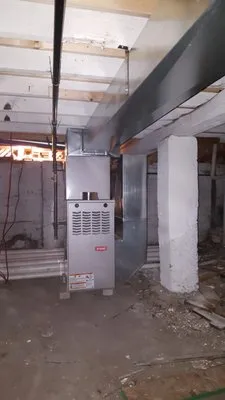
A&J Heating & Air Conditioning is a family-owned and operated business proudly serving Lansing, IL, and the greater Chicagoland area for over a decade. As a local team with deep roots in the community...
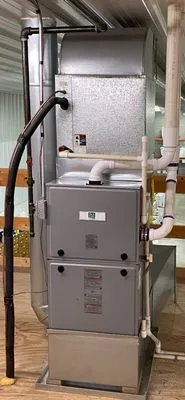
Lansing Preferred Heating & Cooling is your trusted local HVAC expert serving Lansing, IL, and surrounding communities. We specialize in professional installation, repair, and maintenance of heating a...
Air-Rite Heating and Cooling is a trusted HVAC contractor serving homeowners in Lansing, IL, and the surrounding area. They specialize in addressing common local comfort challenges, such as furnaces t...
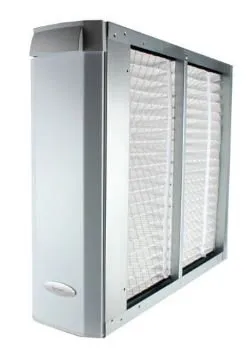
Clean Air Comfort Solutions is a trusted HVAC company serving Lansing, IL, with comprehensive heating, air conditioning, radon mitigation, and indoor air quality services. With years of experience, we...
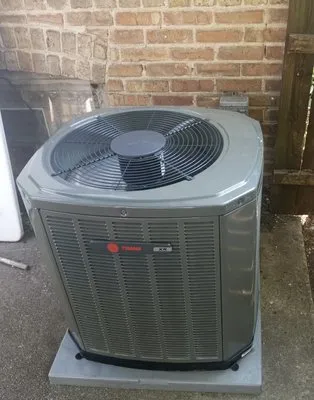
Certified Heating
Certified Heating, LLC is your dedicated Lansing, IL heating and cooling specialist, proudly serving the local community and surrounding South Suburbs for over three decades. As a family-owned and ope...
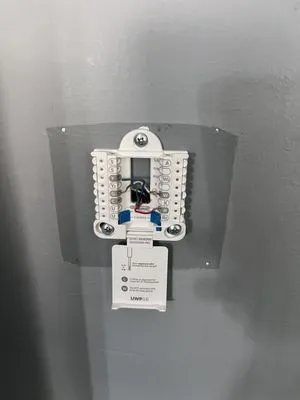
AMP&M HVAC & Mechanical is your trusted local heating and cooling expert in Lansing, IL. We specialize in solving the specific HVAC challenges homeowners face, from frustrating smart thermostat malfun...
Question Answers
What does an Ecobee E1 error code mean for my Lansing HVAC system?
An Ecobee E1 alert indicates a communication failure between your thermostat and HVAC equipment. In Lansing's environment, this often results from power surges during summer thunderstorms or wiring degradation in older homes. The error prevents proper system control, potentially leading to comfort issues during high-demand periods. Professional diagnosis typically involves checking wiring connections, transformer voltage, and control board functionality.
How old is the typical HVAC system in Lansing homes, and why does that matter?
The average Lansing home was built in 1966, making most original HVAC systems approximately 60 years old. Units this age often operate with outdated refrigerants and have worn components. In Lansing's humid continental climate, older systems are particularly prone to condensate line blockages due to high humidity levels. The constant moisture production from cooling combined with mineral buildup over decades creates frequent drainage issues.
Should Lansing homeowners consider switching from gas heat to heat pumps?
Heat pumps offer efficient heating down to approximately 0°F, making them suitable for most Lansing winters. The combination of ComEd's peak hours (2-7 PM) and time-of-use rates creates favorable economics for heat pump operation during off-peak periods. Modern cold-climate models with R-454B refrigerant can provide both heating and cooling while qualifying for substantial IRA rebates, though backup heat may be needed during extreme cold snaps.
What should I do if my air conditioning stops working during a Lansing heatwave?
First check your thermostat settings and circuit breakers, then call for service. From our Lansing Central location near the Lansing Municipal Airport, we can typically reach most homes within 10-15 minutes via I-80/I-94. This quick response time helps prevent heat buildup that can damage sensitive electronics and preserves indoor air quality during ozone risk periods common in our area.
How does Lansing's summer heat affect HVAC system performance?
Lansing's design temperature of 89°F represents the expected peak cooling load, but actual temperatures sometimes exceed this threshold. Modern R-454B refrigerant systems maintain better efficiency at higher temperatures than older refrigerants. When outdoor temperatures approach or exceed the design limit, systems must run continuously to maintain indoor comfort, making proper sizing through a Manual J load calculation critical for Lansing homes.
What permits and safety standards apply to new HVAC installations in Lansing?
All HVAC installations require permits from the Village of Lansing Building Department. For systems using R-454B or other A2L refrigerants, 2026 standards mandate leak detection systems, proper ventilation in equipment rooms, and specific pipe sizing. Technicians must hold EPA Section 608 certification with specific A2L endorsements. These regulations ensure safe handling of mildly flammable refrigerants while maintaining system efficiency and reliability.
Can my home's existing ductwork handle better air filtration for pollen and ozone?
Most Lansing homes have galvanized steel ductwork that can typically accommodate MERV-13 filters without significant static pressure issues. This filtration level effectively captures May's peak pollen and reduces ozone-related particulates. However, a professional should measure your system's static pressure to ensure proper airflow, as excessively dirty filters or undersized returns can still cause problems even with robust duct materials.
What efficiency standards apply to new HVAC systems in 2026, and how do rebates work?
Current federal regulations require a minimum 13.8 SEER2 rating for new installations. With Lansing's electricity rate at $0.16 per kWh, upgrading from an older system can reduce cooling costs by 30-50%. The Inflation Reduction Act provides rebates up to $8,000 for qualifying high-efficiency systems, while ComEd offers additional incentives of $200 to $1,500 through their Energy Efficiency Program.
