
Top Emergency HVAC Services in Loves Park, IL, 61011 | Compare & Call

Gough Heating & Air Conditioning Ltd
Gough Heating & Air Conditioning Ltd is a family-owned HVAC company serving Loves Park, IL, and the Rockford area since 1964. Founded by Dave W. Gough and now led by his son David A. Gough, the busine...
Wilburn Heating & Air is a family-owned, licensed, and insured HVAC company proudly serving Loves Park, IL, with over 27 years of local experience. Founded by John Wilburn, our team consists of NATE-c...
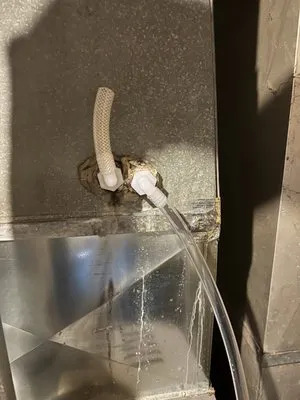
Perfect Temp Heating & Cooling is a veteran-owned and operated HVAC service provider based in Loves Park, Illinois. We offer reliable heating and air conditioning solutions for both residential homes ...
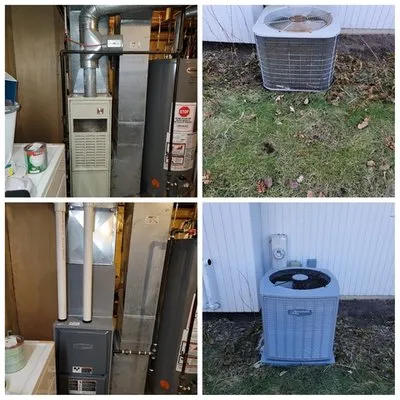
Blue Bear Heating & Air is a trusted residential HVAC company serving Loves Park, IL, with a focus on honesty, integrity, and building lasting customer relationships. Our experienced and respectful co...
Massie Heating and Air Conditioning
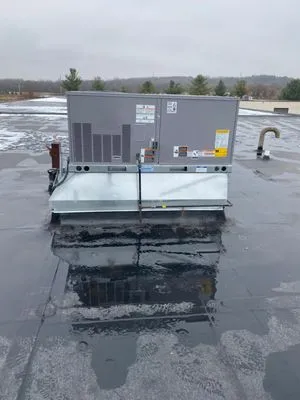
Massie Heating and Air Conditioning is a trusted HVAC company serving Loves Park, IL, and the surrounding areas. We specialize in comprehensive heating and cooling solutions, including installation, r...

L&M Sheet Metal and Services is a trusted HVAC contractor serving Loves Park, IL, and the surrounding area. Specializing in heating and air conditioning solutions, they help local homeowners tackle co...
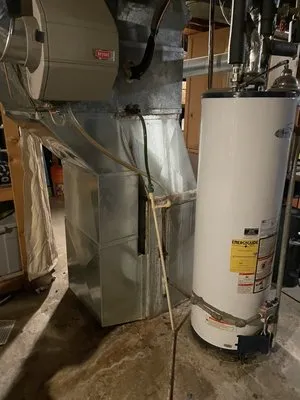
At 815 Heating and Cooling, we bring over two decades of HVAC experience directly to the residents of Loves Park and the Greater Rockford area. As a locally owned and operated company, our focus is on...
For over 7 years, DK Ducts has been dedicated to improving indoor air quality for homes and businesses in the Loves Park area. We understand that your HVAC system is central to your comfort and health...
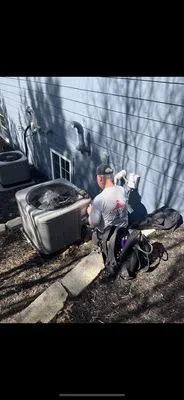
Advanced Heating & Air is a trusted HVAC provider serving Loves Park, IL, and the surrounding communities. We specialize in helping homeowners maintain safe and efficient heating and cooling systems y...
Holder Heating Solutions is your trusted local HVAC expert in Loves Park, IL. We understand that many homeowners in our community struggle with uneven heating and poor indoor air quality, which can ma...
Frequently Asked Questions
How does Loves Park's summer heat affect HVAC performance?
Loves Park experiences temperatures exceeding the 89°F design limit approximately 15-20 days annually. During these periods, properly sized systems maintain indoor comfort but operate continuously, increasing wear. The R-454B refrigerant standard for 2026 installations offers better heat transfer efficiency at high temperatures compared to older refrigerants. This matters because sustained operation above design temperature reduces compressor life expectancy by approximately 15% per 5°F overage, making proper sizing and refrigerant selection critical.
What should I do if my Riverside home loses cooling during a heatwave?
First check your thermostat settings and circuit breakers, then call for service if those are normal. From our Riverside location near Rock Cut State Park, we can typically reach most Loves Park addresses within 10-15 minutes via I-90. This response time matters because extended operation during compressor faults can cause permanent damage. We prioritize no-cool calls during peak heat hours to prevent refrigerant migration and compressor slugging issues.
Why do older HVAC systems in Loves Park homes fail more often?
The average Loves Park home was built in 1983, making many HVAC systems over 40 years old. At this age, galvanized steel ductwork develops micro-fractures and refrigerant lines lose integrity. This aging infrastructure makes condensate drain freeze-ups common during humid continental winters, as small air leaks allow moisture to accumulate and freeze in drain pans. Proper maintenance can extend life, but most systems beyond 15-20 years operate below modern efficiency and safety standards.
What does an Ecobee E1 error mean for my Loves Park system?
An Ecobee E1 alert indicates the thermostat has lost communication with your HVAC equipment. In Loves Park installations, this typically signals either a power interruption to the indoor unit or a failed control board. Given our humid continental climate, these failures often correlate with condensate overflow triggering safety switches. The alert allows early intervention before complete system failure, particularly important during temperature extremes when continuous operation is needed for both comfort and equipment protection.
Should I consider switching from gas heat to a heat pump?
Heat pumps work effectively in Loves Park's climate, with modern cold-climate models maintaining efficiency down to -13°F. The economic case depends on your usage patterns relative to ComEd's 14:00-19:00 peak hours. Dual-fuel systems that combine heat pumps with existing gas furnaces provide optimal flexibility, using electricity during off-peak hours and gas during extreme cold or peak pricing periods. The IRA rebates specifically support heat pump installations, making this transition more cost-effective in 2026 than previous years.
Can my home's ductwork handle better air filtration?
Galvanized steel ductwork in Loves Park homes generally supports MERV-13 filters without static pressure issues, provided the system was properly sized. This matters because May pollen peaks and summer ozone risks create dual air quality challenges. MERV-13 filtration captures 85% of pollen particles while reducing ozone precursors. However, we recommend measuring static pressure before installation, as some older systems with restrictive duct layouts may require duct modifications to maintain proper airflow.
What permits and standards apply to new HVAC installations?
All Loves Park HVAC installations require permits from the City of Loves Park Building Department, with inspections verifying compliance with 2026 IECC energy codes. The transition to A2L refrigerants like R-454B introduces additional safety requirements including leak detection systems and equipment room ventilation specifications. These standards address the mildly flammable nature of modern refrigerants while maintaining their environmental benefits. Proper documentation of these installations is necessary to qualify for both IRA and ComEd rebate programs.
How do the 2026 SEER2 requirements affect my utility bills?
The 13.4 SEER2 minimum represents a 15% efficiency improvement over previous standards. At Loves Park's $0.15 per kWh rate, upgrading from a 10 SEER to 16 SEER2 system saves approximately $450 annually on cooling costs. The Inflation Reduction Act provides up to $8,000 in rebates for qualifying high-efficiency installations, making the payback period typically 3-5 years. Combined with ComEd's $300-$500 rebate, these incentives make 2026 an optimal year for efficiency upgrades.
