
Top Emergency HVAC Services in Morris, IL, 60450 | Compare & Call

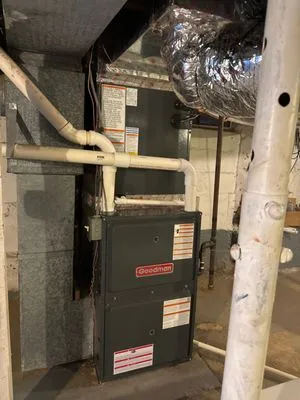
Climate Comfort Experts is your local Morris, IL HVAC specialist, founded and operated by David, an EPA and NATE certified technician with over a decade of industry experience. David combines his exte...
R L Lyon in Morris, IL is a locally owned and operated heating and air conditioning company with deep roots in the community. Established in 1919, they bring over 100 years of experience to every HVAC...
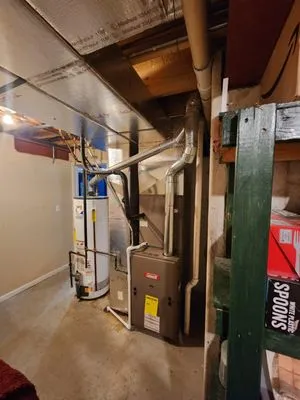
MT Heating and Cooling is a local HVAC provider serving Morris, IL, and the surrounding areas. We specialize in heating and air conditioning installation, repair, and maintenance. Our team understands...
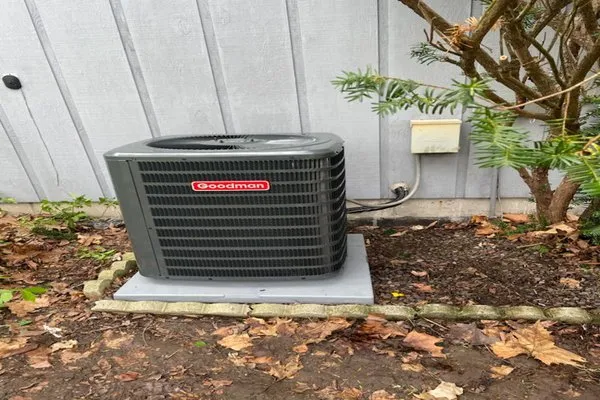
McNabb Heating & Cooling
McNabb Heating & Cooling is a licensed, bonded, and insured HVAC contractor serving Morris, IL, and surrounding communities like Joliet, Seneca, Shorewood, and Plainfield since 2012. We provide reliab...
For over 35 years, EZ-Air Inc has been the trusted HVAC partner for homeowners in Morris and throughout Grundy and Will County. Founded in 1984 by Harv and Debbie Shell, the company is built on deep l...
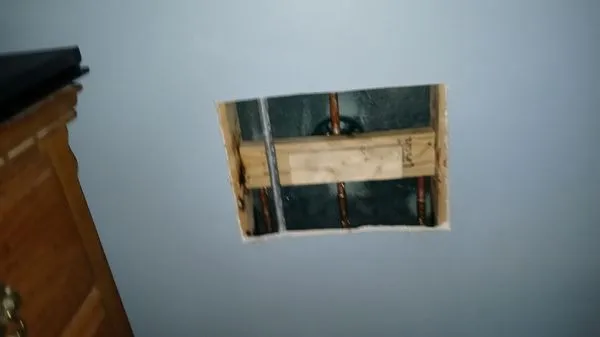
Cleek Plumbing, Heating & Air Conditioning
Cleek Plumbing, Heating & Air Conditioning has been a trusted family-owned business serving Morris and surrounding communities since 1975. We provide reliable plumbing, heating, and air conditioning s...
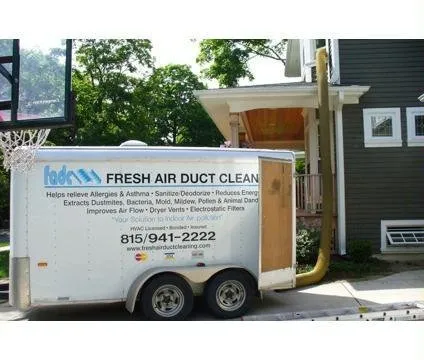
Fresh Air Duct Cleaning
Fresh Air Duct Cleaning is a Morris-based HVAC and air duct cleaning company serving residential and commercial clients throughout Chicagoland, including southwest Will County, Grundy County, and La S...
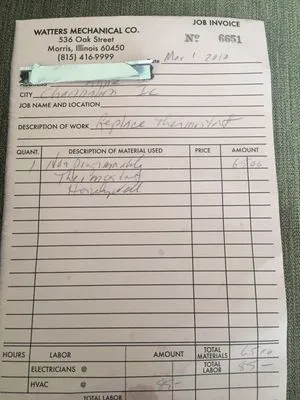
Watters Heating and Cooling is a trusted, family-owned HVAC contractor serving Morris, IL, and the surrounding Grundy County area. We specialize in tackling the local home comfort challenges that matt...

Gee Heating & Air Conditioning is a trusted, locally-owned HVAC company serving homeowners in Morris, IL, and the surrounding areas. We understand the common frustrations Morris residents face, such a...
United Meters in Morris, IL is your local HVAC expert, dedicated to keeping homes safe and comfortable. We understand the specific challenges Morris homeowners face, such as the serious risk of carbon...
Question Answers
What permits and new safety rules apply to a 2026 AC installation in Morris?
All HVAC replacements in Morris require a permit from the City of Morris Building & Zoning Department, which ensures compliance with local codes. Crucially, 2026 installations using A2L refrigerants like R-454B must follow updated UL 60335-2-40 safety standards. These mandate specific leak detectors, revised electrical classifications for the equipment room, and updated service procedures due to the refrigerant's mild flammability. Only EPA Section 608 certified technicians with specific training on A2L safety protocols should handle the installation and charging of these systems.
My furnace seems fine, but why does the AC stop draining every winter in Morris?
A 1980s-era HVAC system is now 46 years old, and its original condensate drain components are a primary failure point. The humid continental climate in Morris creates significant condensation during cooling cycles, and over decades, mineral deposits and biological growth can restrict the narrow drain line. When the furnace runs, warm air from the heat exchanger can freeze this residual moisture in the line, causing a complete blockage and potential water damage. Regular annual cleaning of the condensate drain system is a critical maintenance task for systems of this age.
With gas heat, is switching to a heat pump a practical choice for Morris winters?
Modern cold-climate heat pumps are engineered to operate efficiently in Morris's winter lows. The economic case involves comparing the cost of natural gas to electricity at $0.15/kWh, especially during ComEd's peak hours from 2 PM to 7 PM. A dual-fuel system, which pairs a heat pump with your existing gas furnace as a backup during extreme cold or peak pricing, often provides the optimal balance. This setup maximizes the heat pump's efficiency for moderate weather while leveraging the furnace's lower operating cost during the deepest cold spells.
What does the new 13.8 SEER2 minimum mean for my electricity bill and upgrade cost?
The 2026 federal 13.8 SEER2 minimum is a baseline; modern systems often reach 16-18 SEER2, offering 15-20% greater efficiency. At Morris's average rate of $0.15 per kWh, this directly lowers cooling costs. The Inflation Reduction Act's HEEHRA rebates, with caps up to $8,000, can substantially offset the cost of a qualifying high-efficiency system. Combining this with ComEd's $300-$500 rebate makes upgrading an aging unit a financially sound decision that locks in long-term operational savings.
My Ecobee thermostat is showing an E164 alert. What does that mean for my system?
The Ecobee E164 code specifically indicates a loss of communication with the outdoor heat pump or AC unit. In Morris, this often points to a tripped high-pressure switch, a faulty control board, or a compromised low-voltage wire connection, possibly from rodent activity or weathering. This alert prevents the system from operating to avoid further damage. A technician will diagnose the control circuit, check refrigerant pressure, and inspect the line-set wiring to resolve the communication failure and restore operation.
If my AC fails on a hot day in Downtown Morris, how fast can a technician arrive?
For a no-cool emergency, a local technician can typically be dispatched from a service area near Goold Park. Using I-80, they can access most of Downtown Morris within 5 to 10 minutes. This rapid response is crucial to prevent indoor temperature and humidity from rising quickly, which can strain other system components. Having the system address and model number ready will help expedite the diagnostic process upon arrival.
Can my existing galvanized steel ducts handle a high-efficiency air filter for ozone and pollen?
Galvanized steel ductwork, common in 1980s Morris homes, is physically durable but was designed for lower static pressure. Installing a MERV-13 filter to capture May pollen peaks and mitigate ozone-related particulates significantly increases airflow resistance. This can cause reduced airflow, freezing evaporator coils, and increased energy use. A technician must perform a static pressure test to verify the duct system's capacity; often, modifications or a dedicated air cleaner with a bypass may be a more suitable solution for improving indoor air quality.
My old AC struggles when it's over 95°F. Wasn't it designed for our summers?
Standard residential systems in Illinois are sized for a 89°F design temperature, balancing peak performance with seasonal efficiency. Morris experiences summer highs that exceed this, creating a performance gap where the system must run continuously to maintain temperature, reducing its effective capacity. The newer R-454B refrigerant standard for 2026 offers improved heat transfer efficiency compared to older R-410A, which helps modern units maintain closer to their rated capacity during these extended high-temperature periods.
