
Top Emergency HVAC Services in Oregon, IL, 61061 | Compare & Call

There are 15 hvac companies server in Oregon IL
Wight's Heating & Air Conditioning
Wight's Heating & Air Conditioning is a trusted, locally owned HVAC company serving Rockford, IL, for over 30 years. As a fully licensed, insured, and bonded provider, we combine deep local experience...
Kerley Heating and Cooling has been Rock City's trusted family HVAC partner since 1972. Founded by Wendell Kerley, a Rockford native and master sheet metal fabricator, the business is built on decades...
Hurst Heating & Cooling is the trusted, locally-owned HVAC expert for Monroe Center and the surrounding communities. We specialize in keeping homes and businesses comfortable year-round through reliab...
Miller Heating & Air Conditioning
Miller Heating & Air Conditioning is your locally owned and operated HVAC specialist in Rockford, IL. For over 15 years, we've built a reputation for dependable service, providing heating, cooling, an...
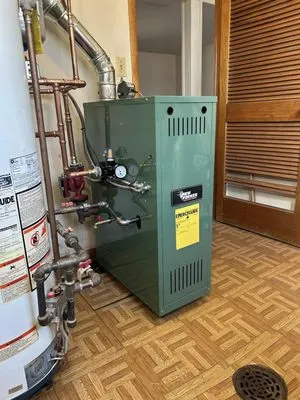
PBK Mechanical Services
PBK Mechanical Services is a family-owned, locally operated HVAC company proudly serving Northern Illinois. With years of hands-on experience in residential, commercial, and industrial heating and coo...
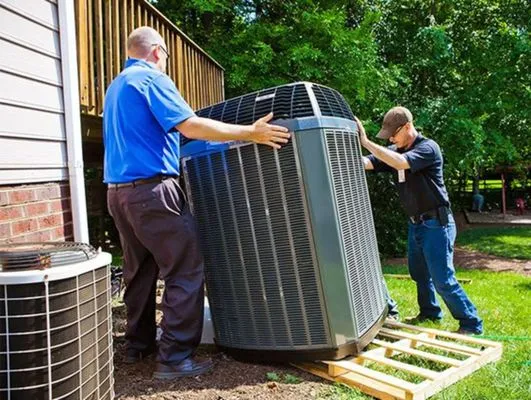
Ventilation Systems CHV is a Chicago-based HVAC specialist led by Aaron, a seasoned contractor with extensive experience serving homes and offices across the city and surrounding counties. We provide ...
Correa Heating & Air Conditioning
Correa Heating & Air Conditioning has been a trusted name in Mendota, IL, since 2009. With over 13 years of dedicated service, we specialize in residential HVAC and electrical work, focusing on qualit...
HULL HVAC & Household Services
HULL HVAC & Household Services is a family-owned and operated heating, air conditioning, and water heater specialist based in Rochelle, IL. We provide personalized, reliable service for your home's co...
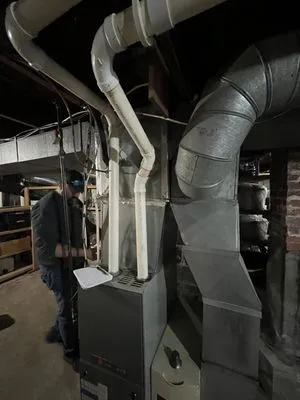
Interior Climate Controls is a family-owned HVAC business serving Franklin Grove, IL, and the surrounding area. We specialize in heating and air conditioning installation, repair, and maintenance, wit...

Loescher Heating & Air Conditioning - Sterling
Loescher Heating & Air Conditioning - Sterling has been a trusted provider of HVAC, plumbing, and electrical services in Sterling, IL, for over 50 years. As a State of Illinois certified company and a...
Estimated HVAC Service Costs in Oregon, IL
FAQs
What should I do if my Downtown Oregon home loses cooling during a heatwave?
First check your thermostat settings and circuit breakers, then call for service. From our location near the Oregon Coliseum, we can reach most Downtown Oregon addresses within 5-10 minutes via IL-64. Quick response prevents minor issues like capacitor failure from escalating to compressor damage. We keep common parts for 2.5-ton systems on our trucks to minimize downtime during peak cooling season.
How does Oregon's summer heat affect modern air conditioning performance?
Oregon's design temperature of 89°F represents the peak cooling load that systems are engineered to handle. When temperatures exceed this threshold, even properly sized systems lose capacity. The new R-454B refrigerant maintains better performance at high temperatures than older refrigerants, but capacity still drops about 1% per degree above design conditions. Proper sizing through a Manual J load calculation ensures your system can handle Oregon's hottest days without excessive runtime or comfort compromise.
Should I consider switching from natural gas to a heat pump in Oregon?
Heat pumps become increasingly practical in Oregon's climate, especially with modern cold-climate models that maintain efficiency down to 5°F. The economic case improves when considering ComEd's peak hours from 12:00-18:00, when electricity rates are highest. A dual-fuel system that uses natural gas as backup during extreme cold and peak rate periods often provides the optimal balance of comfort and operating cost. The $8,000 IRA rebate significantly reduces the upfront cost of this transition.
Can my older galvanized steel ducts handle better air filters for Oregon's pollen and ozone?
Galvanized steel ductwork typically has adequate structural integrity for MERV-13 filters, but static pressure becomes the limiting factor. Oregon's May pollen peak and ozone risk make better filtration valuable, but older systems often struggle with the airflow restriction. A technician should measure static pressure before upgrading filters, as excessive restriction reduces cooling capacity and increases energy consumption. Sometimes duct modifications or a larger filter cabinet are needed to maintain proper airflow.
Why do older Oregon HVAC systems often develop evaporator coil icing?
The average Oregon home was built in 1951, making many systems 75 years old. Galvanized steel ductwork from that era often develops leaks that reduce airflow across the evaporator coil. When refrigerant flow meets restricted airflow, the coil temperature drops below freezing, causing moisture to ice over the fins. This ice buildup further restricts airflow, creating a cycle that reduces cooling capacity and can damage the compressor.
What does an Ecobee E4 alert mean for my Oregon HVAC system?
An Ecobee E4 alert indicates your system has been running continuously for over three hours without reaching the set temperature. In Oregon's climate, this typically signals one of three issues: insufficient refrigerant charge, restricted airflow, or a system undersized for the current load. Given Oregon's average 2.5-ton systems and humid continental climate, evaporator coil icing from low airflow is a common culprit. Continuing operation in this state risks compressor failure and should prompt immediate professional diagnosis.
What permits and safety standards apply to new HVAC installations in Oregon?
All HVAC installations in Oregon require permits from the City of Oregon Building and Zoning Department. For 2026 installations using R-454B refrigerant, technicians must follow updated A2L safety standards that include leak detection systems, proper ventilation in equipment rooms, and specific tools rated for mildly flammable refrigerants. These standards address the unique properties of A2L refrigerants while maintaining the efficiency benefits that prompted the industry transition from older refrigerants.
How do the new SEER2 standards affect my Oregon utility bills?
The 2026 minimum SEER2 requirement of 13.8 represents about a 15% efficiency improvement over previous standards. At Oregon's current 0.14/kWh rate, upgrading from a 10 SEER system to a 16 SEER2 unit saves approximately $300 annually on cooling costs. The Inflation Reduction Act provides rebates up to $8,000 for qualifying high-efficiency installations, making the payback period surprisingly short for many Oregon homeowners.
