
Top Emergency HVAC Services in Riverside, IL, 60546 | Compare & Call


Payne Plumbing & Heating
For over a decade, Payne Plumbing & Heating has been Riverside's trusted solution for home comfort and maintenance. We specialize in the full spectrum of plumbing, heating, and carpentry services, mak...

Riverside Plumbing Heating and Cooling
Riverside Plumbing, Heating & Cooling is a family-owned business proudly serving Riverside and the Western Suburbs of Chicago since 1962. Rooted in the community, we provide dependable plumbing, heati...
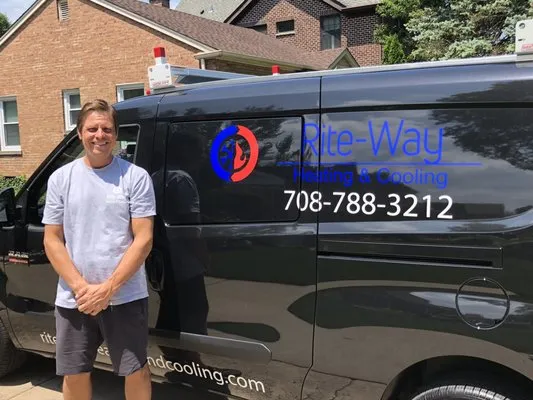
Rite-Way Heating is your trusted local HVAC expert serving Riverside, IL. We specialize in diagnosing and resolving the specific heating challenges common in our community, particularly furnace igniti...
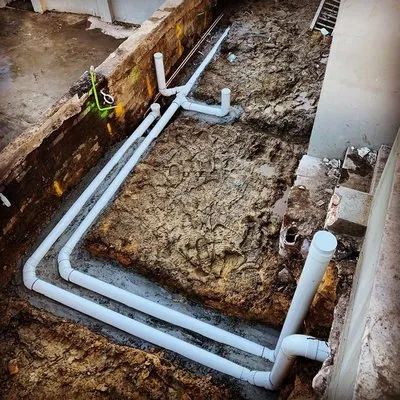
Riverside Plumbing and Heating
Riverside Plumbing and Heating is a trusted, full-service provider for homeowners in Riverside, IL, and the surrounding communities. We specialize in plumbing, heating, and air conditioning services, ...

Cermak Road Plumbing
Cermak Road Plumbing Co. is a family-owned and operated plumbing and HVAC service provider serving Riverside, IL, and the surrounding communities. We are built on a foundation of reliability and trust...
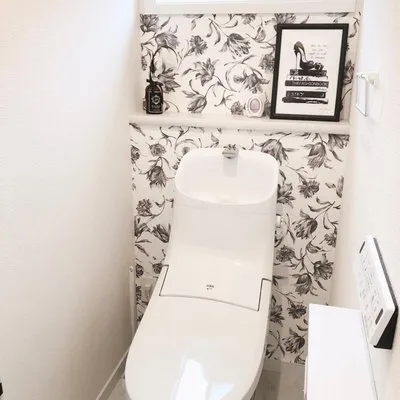
Riverside Plumbing & Drain Cleaning
Riverside Plumbing & Drain Cleaning is a trusted local provider serving Riverside, IL, and the surrounding communities. For first-time homeowners and experienced landlords alike, our team delivers rel...
Adames Mechanical is a trusted HVAC company serving Riverside, IL, and surrounding areas. We specialize in heating and air conditioning services, focusing on solving common local issues like clogged a...
Question Answers
What does an Ecobee E4 error mean for my Riverside home?
An Ecobee E4 alert typically indicates communication loss between the thermostat and HVAC equipment. In Riverside homes, this often results from wiring issues in older electrical systems or control board failures. The alert prevents proper temperature regulation and can lead to comfort issues during temperature extremes. Professional diagnosis identifies whether the issue originates at the thermostat, wiring connections, or main system components for targeted repair.
Should I consider switching from gas heat to a heat pump?
Riverside's climate with winter lows around 0°F makes cold-climate heat pumps a viable alternative to gas heating. These systems operate efficiently during ComEd's 14:00-19:00 peak hours with proper controls. The transition requires evaluating existing ductwork compatibility and electrical service capacity. Modern units maintain heating capacity down to -15°F, providing reliable performance throughout our heating season while leveraging electricity's decreasing carbon intensity.
How does Riverside's summer heat impact AC performance?
Riverside experiences temperatures exceeding the 90°F design limit during summer peaks, creating a performance gap where systems must work harder. Modern R-454B refrigerant maintains better efficiency at elevated temperatures compared to older refrigerants. Proper sizing through Manual J calculations ensures systems can handle these extremes without excessive cycling or reduced dehumidification capacity during humid conditions.
Can my older duct system handle better air filtration?
Galvanized steel ductwork in Riverside homes typically has sufficient structural integrity for MERV-13 filters, but static pressure must be evaluated. High-efficiency filtration addresses both ozone risk and May pollen peaks common in our area. A professional assessment determines if duct modifications or system adjustments are needed to maintain proper airflow while capturing smaller particulates that affect respiratory health.
Why do so many HVAC systems in Riverside need condensate drain cleaning?
The average Riverside home was built around 1955, making many HVAC systems approximately 71 years old. Older systems in humid continental climates like ours accumulate biological growth in drain lines over decades. High humidity levels create ideal conditions for algae and mold to form blockages. Regular maintenance becomes essential as systems age to prevent water damage and maintain proper operation.
What permits are required for new HVAC installations?
The Village of Riverside Building Department requires permits for all HVAC installations involving refrigerant changes or equipment replacement. 2026 standards mandate specific safety protocols for R-454B and other A2L refrigerants, including leak detection systems and proper ventilation. Certified technicians must document refrigerant handling and system testing. These requirements ensure installations meet current safety codes while maintaining system efficiency and environmental compliance.
How do the 2026 SEER2 standards affect my utility bills?
The 13.8 SEER2 minimum requirement for 2026 represents a significant efficiency improvement over older systems. At Riverside's current 0.16/kWh electricity rate, upgrading to a SEER2-compliant unit can reduce cooling costs by 20-30% annually. The active HEEHRA rebate program provides up to $8,000 toward qualified installations, making the payback period substantially shorter while improving long-term energy performance.
What happens if my AC stops working during a Riverside heatwave?
For a no-cool emergency in the Riverside Historic District, technicians can typically reach your home within 15-25 minutes from our dispatch near the Riverside Public Library. Using I-55 access, we bypass local traffic to provide rapid response. This timeframe ensures minimal discomfort during peak temperature hours when system failures are most critical for indoor comfort and safety.
