
Top Emergency HVAC Services in Saint Jacob, IL, 62281 | Compare & Call

There are 38 hvac companies server in Saint Jacob IL
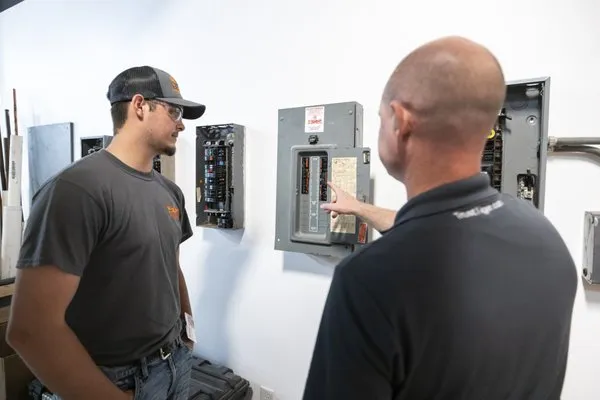
Tiger Plumbing, Heating, Air Conditioning, & Electrical Services
Tiger Plumbing, Heating, Air Conditioning, & Electrical Services is the trusted local provider for Collinsville, IL, and the surrounding Metro East communities. We handle a wide range of essential hom...
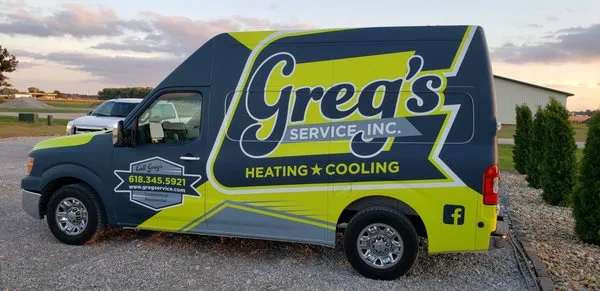
Greg's Service has been a trusted name in Wood River's heating and cooling community for over three decades. As a licensed and bonded contractor, we provide reliable HVAC installation, repair, and mai...
Janssen Heating Cooling Plumbing & Insulation
Janssen Heating Cooling Plumbing & Insulation is a family-owned and operated business serving Godfrey, IL, with over 17 years of hands-on experience. Founded on the principle of leaving a lasting lega...
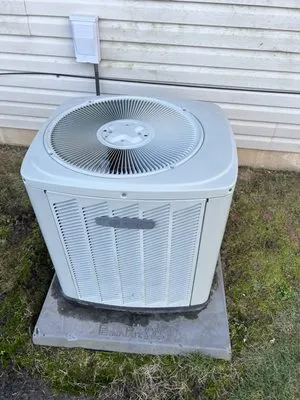
Kelvin Heating and Cooling
Kelvin Heating and Cooling is a trusted, family-owned HVAC business serving Collinsville and the Metro East. As your neighbors, we understand the local climate's demands on your home comfort systems. ...
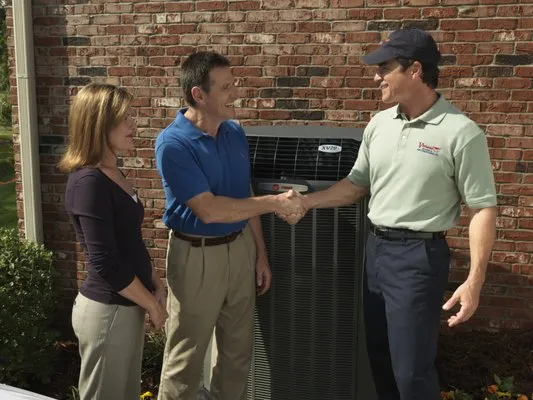
Since 1989, Viviano Heating & Air Conditioning has been a trusted, family-owned business serving Collinsville and the entire Metro-East Illinois area. We are deeply rooted in our community and dedicat...
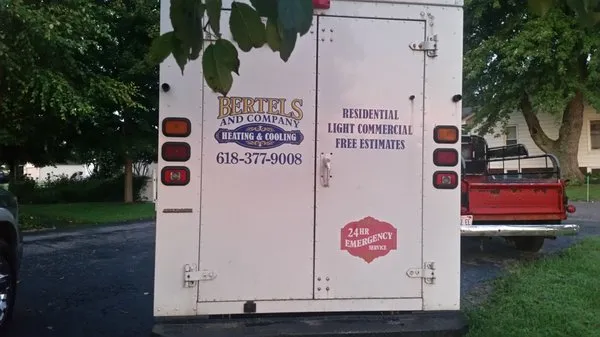
Bertels & Co Heating & Cooling has been a trusted HVAC partner for Moro, IL, residents and businesses since 1994. With nearly three decades of experience, owner Tim Bertels and his team of factory-tra...
Smiley Heating Cooling & Refrigeration
Smiley Heating Cooling & Refrigeration is a trusted HVAC company serving Highland, IL, and surrounding areas. With a focus on reliability and customer satisfaction, we specialize in heating, cooling, ...
HCS Heating Cooling & Plumbing has been a trusted local name since 2015, building on a foundation of industry expertise that dates back to 2000. Founded by John, who acquired Marks Heating and Cooling...
Gibbel Home Services
Gibbel Home Services is a trusted local provider in Carlinville, IL, specializing in heating and air conditioning, electrical work, and appliance repair. With a team of experienced technicians, we off...
Wilson and Son Heating & Air Conditioning is a family-owned HVAC business dedicated to serving the Sparta, IL community. We provide reliable heating and cooling solutions, from expert installations an...
Estimated HVAC Service Costs in Saint Jacob, IL
FAQs
What does an Ecobee E1 error mean for my Saint Jacob home?
An Ecobee E1 alert indicates the thermostat cannot communicate with your HVAC equipment. In Saint Jacob homes, this often signals power issues at the air handler or control board failures. Humid conditions can corrode low-voltage wiring connections over time. This specific error requires checking the 24V transformer, wiring integrity, and control board functionality before addressing any refrigerant or mechanical problems.
What permits and standards apply to new HVAC installations?
The Madison County Planning and Development Department requires permits for all HVAC replacements involving refrigerant changes. 2026 standards mandate special certifications for R-454B installations due to its A2L mildly flammable classification. Technicians need EPA Section 608 certification with specific A2L endorsements. Proper documentation of leak testing, charge amounts, and safety protocols must accompany permit applications for inspection approval.
How does Saint Jacob's summer heat affect AC performance?
Saint Jacob's design temperature of 91°F represents the peak condition systems must handle. Actual temperatures occasionally exceed this threshold, creating a performance gap where cooling capacity decreases. R-454B refrigerant maintains better efficiency than older refrigerants in these high-heat conditions. Proper sizing through Manual J load calculations ensures the system can manage both design conditions and occasional temperature spikes.
How do 2026 efficiency standards affect my utility bills?
Federal mandates now require 14.3 SEER2 minimum for new installations in Saint Jacob. At Ameren Illinois rates of $0.14/kWh, upgrading from a 10 SEER system to 16 SEER2 reduces cooling costs by approximately 35%. The Inflation Reduction Act provides up to $8,000 in HEEHRA rebates for qualifying high-efficiency installations. This combination makes replacement economically favorable compared to maintaining older, inefficient equipment.
Can my home's ductwork handle better air filtration?
Galvanized steel ductwork in Saint Jacob homes typically handles MERV-8 filters without static pressure issues. Upgrading to MERV-13 for ozone and May pollen protection requires professional assessment. High-efficiency filters increase resistance that may overwhelm older blower motors. A technician should measure static pressure and adjust fan speed to maintain proper airflow while capturing more particulates.
Should I consider switching from gas heat to a heat pump?
Heat pumps offer viable heating in Saint Jacob's climate, with modern units maintaining efficiency down to 5°F. The 12:00-19:00 utility peak hours make dual-fuel systems advantageous—using gas heat during expensive electricity periods. HEEHRA rebates apply to qualified heat pump installations, offsetting conversion costs. A hybrid system provides the reliability of gas backup while maximizing heat pump efficiency during off-peak hours.
What happens if my AC stops working during a Saint Jacob Village Center heatwave?
A no-cool emergency requires immediate attention to prevent indoor temperatures from rising rapidly. Technicians based near Jacob Street Park can access I-70 for direct routing to your neighborhood. This proximity enables 5-10 minute dispatch times during peak hours. Quick response prevents secondary issues like humidity damage or compressor failure from extended operation without proper cooling.
Why do older HVAC systems in Saint Jacob fail more often?
The average Saint Jacob home was built in 1988, making typical HVAC units 38 years old in 2026. Systems this age have worn components like corroded drain pans and mineral buildup in condensate lines. Humid Continental conditions accelerate this degradation through constant moisture exposure. Condensate line clogs become inevitable when biological growth combines with sediment from decades of operation.
