
Top Emergency HVAC Services in Aurora, IN, 47001 | Compare & Call


Walston Dave Heating & Air Conditioning
Walston Dave Heating & Air Conditioning is a trusted local HVAC provider serving Aurora, IN, and the surrounding communities. Understanding the area's specific challenges, such as AC compressor failur...
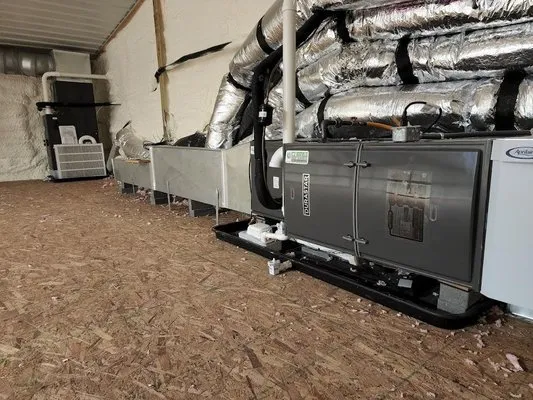
Clark's Home Services
Clark's Home Services is your trusted local HVAC and water heater expert in Aurora, IN, and the surrounding tri-state area. We're a licensed team dedicated to solving your home's heating, cooling, and...
Chase Heating & Air Conditioning is Aurora's trusted HVAC specialist, dedicated to keeping homes comfortable and energy-efficient year-round. We understand the common local challenges homeowners face,...
Steve Grehl Mechanical is a trusted, locally-owned HVAC contractor serving Aurora and the surrounding areas. We specialize in diagnosing and solving the common heating and air conditioning problems th...
Balance Air is Aurora's trusted local HVAC specialist, focused on solving the area's most common heating and cooling challenges. We understand that poor indoor air quality and recurring AC compressor ...
Classic Hvacr and Commercial Cooking Equipment is Aurora's trusted local provider for both home comfort and commercial kitchen needs. We specialize in addressing the common HVAC issues Aurora homeowne...
Classic HVAC is Aurora's trusted heating and air conditioning specialist, dedicated to keeping local homes comfortable year-round. We understand the specific challenges homeowners in our area face, su...
Sarvis Heating & Cooling is a trusted, locally-owned HVAC provider serving Aurora and the surrounding communities. We specialize in professional heating and air conditioning installation, repair, and ...
FAQs
How does Aurora's summer heat affect my AC's performance?
Aurora's design temperature of 89°F represents the peak cooling load engineers plan for, though actual temperatures can exceed this. When outdoor temperatures surpass 89°F, systems must work harder to maintain indoor comfort. Modern R-454B refrigerant maintains better efficiency at high temperatures than older refrigerants. Properly sized systems with adequate airflow can handle these conditions while minimizing energy consumption.
What does an Ecobee E1 error code mean for my Aurora HVAC system?
An Ecobee E1 alert indicates the thermostat has lost communication with your HVAC equipment. In Aurora homes, this often points to wiring issues, power interruptions, or equipment failure. The error triggers automatic system shutdown to prevent damage. A technician can diagnose whether the issue stems from the thermostat itself, control board problems, or electrical connections. Quick resolution prevents extended comfort disruptions.
Should I consider switching from natural gas to a heat pump in Aurora?
Aurora's winter lows and Duke Energy's peak hours from 12:00-20:00 make heat pumps a viable option. Modern cold-climate heat pumps maintain efficiency down to -15°F, complementing natural gas systems. During utility peak hours, dual-fuel systems can automatically switch to gas heating to avoid higher electricity rates. The Inflation Reduction Act rebates make this transition more economical, especially when paired with proper insulation.
What permits and safety standards apply to new AC installations in Aurora?
All Aurora HVAC installations require permits from the Dearborn County Building Department. Since 2026, R-454B refrigerant systems must comply with A2L safety standards, including leak detection and ventilation requirements. Technicians need EPA Section 608 certification for handling flammable refrigerants. Proper documentation ensures compliance with local codes and maintains eligibility for utility rebates. These measures prioritize safety while enabling efficient cooling.
What should I do if my Downtown Aurora AC stops working during a heatwave?
First, check your thermostat settings and circuit breakers. If the system remains off, a technician can typically reach Downtown Aurora from Aurora City Park via US-50 within 5-10 minutes. This response time allows for quick diagnosis of common issues like capacitor failure or refrigerant loss. Emergency service prioritizes restoring cooling to prevent indoor temperature spikes.
How old is my Aurora HVAC system likely to be, and what problems should I expect?
The average Aurora home was built in 1952, making many HVAC systems around 74 years old. This age means components like condenser coils have endured decades of seasonal cycling. In Aurora's humid continental climate, galvanized steel ductwork and outdoor units are prone to oxidation failure. Condenser coil oxidation specifically reduces heat transfer efficiency, leading to higher energy bills and eventual refrigerant leaks.
Why does my new Aurora AC need to meet SEER2 14.3 standards in 2026?
Federal energy standards now require SEER2 14.3 minimum for new installations, improving efficiency by about 15% over older units. With Aurora's electricity rates at $0.14/kWh, this translates to measurable savings on summer cooling bills. The Inflation Reduction Act provides rebates up to $8,000 for qualifying high-efficiency systems, making upgrades cost-effective. Proper sizing through a Manual J load calculation ensures optimal performance.
Can my Aurora home's HVAC handle better air filtration for ozone and pollen?
Aurora experiences ozone risk and May pollen peaks, making MERV-13 filtration valuable for indoor air quality. Your galvanized steel ductwork typically supports MERV-13 filters without significant static pressure issues if the system is properly balanced. However, older blower motors may struggle, requiring static pressure testing before upgrading. High-efficiency filtration reduces particulate matter while maintaining proper airflow.
