
Top Emergency HVAC Services in Brazil, IN, 47834 | Compare & Call

Hill Top Plumbing Heating and Air Conditioning
Hill Top Plumbing Heating and Air Conditioning is your local, full-service provider in Brazil, Indiana. We handle everything from routine plumbing repairs and drain cleaning to complete HVAC system in...
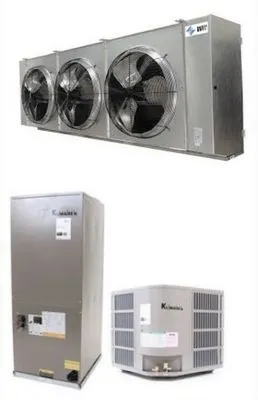
Ayro Commercial Refrigeration is your trusted local HVAC specialist serving Brazil, Indiana, and the surrounding communities. We specialize in commercial refrigeration and comprehensive heating and ai...
Clay County Furnace Heating and Cooling
Clay County Furnace Heating and Cooling has been a trusted family-owned HVAC provider in Brazil, Indiana, since 1965. With over 50 years of dedicated service to Clay and surrounding counties, the comp...

Crafton's Heating and Cooling is Brazil's trusted HVAC specialist, serving homeowners throughout the community. We understand the common frustrations local residents face, like blower motor failures a...
FAQs
How well should my AC work on the hottest days of the year?
Residential systems in this region are typically designed for a 90°F outdoor temperature. On days when the actual temperature exceeds this design limit, the system will run continuously and may not maintain the desired indoor setpoint. This is a normal capacity limitation. Modern units using R-454B refrigerant maintain better efficiency and capacity at higher temperatures than older refrigerants, but they still operate within their engineered design parameters.
Why does my old air conditioner struggle more in the summer now?
Homes in Brazil, Indiana, were often built with systems around 1964. A 62-year-old unit is far beyond its intended lifespan, leading to reduced efficiency and frequent component failures. The humid continental climate causes significant moisture in the air, which older systems struggle to remove. This stress makes the condensate drain line, a common failure point, prone to blockage from algae and mineral buildup due to constant use.
What are the permit and safety rules for a new AC installation?
All new installations in Clay County require a permit from the Clay County Building Department. As of 2026, systems using A2L refrigerants like R-454B, which are mildly flammable, must comply with updated safety standards. These codes dictate specific requirements for leak detection, airflow in mechanical rooms, and refrigerant line installation. Using a licensed contractor ensures the work meets these codes for safe, legal operation and preserves eligibility for rebates.
Is it worth upgrading my AC for the new efficiency standards?
The 2026 federal minimum efficiency standard is 14.3 SEER2. Upgrading from an older, less efficient unit directly reduces your energy consumption against the current Duke Energy Indiana rate of $0.145 per kWh. The active Inflation Reduction Act HEEHRA rebates, with a cap of $8,000 for qualified heat pump installations, can substantially offset the upfront cost, making high-efficiency models a financially sound investment.
My AC stopped on a hot day in Downtown Brazil—how fast can someone get here?
A no-cool emergency requires immediate attention to prevent heat buildup and humidity damage. From our location near Forest Park, we can dispatch a technician via US-40 to most Downtown Brazil homes within a 5-10 minute response window. This rapid dispatch allows us to diagnose common issues like a tripped breaker or a failed capacitor before the indoor temperature rises excessively.
Should I consider switching from my gas furnace to a heat pump?
For Brazil homes using gas heat, a cold-climate heat pump is a viable primary heating source given the winter lows. The technology performs efficiently in this climate. To maximize savings, pair the heat pump with a thermostat programmed to avoid the utility peak hours of 2 PM to 7 PM. The significant federal HEEHRA rebate makes this transition more economical, especially when considering long-term stability against fluctuating fuel prices.
My Ecobee thermostat is showing an E1 alert. What does that mean here?
An Ecobee E1 alert indicates the thermostat is not detecting power from the HVAC equipment. In Brazil, this often points to a safety lockout or a failed control board, but given the local humidity, a primary suspect is a clogged condensate drain line. The float switch in the drain pan has likely been triggered to prevent water overflow, which cuts power to the system. Clearing the drain line is typically the first and most common corrective step.
Can my home's ductwork handle a better air filter for pollen and ozone?
Upgrading filtration is wise given Brazil's May pollen peak and seasonal ozone risk. However, installing a high-MERV filter, like a MERV-13, increases static pressure within the duct system. The original galvanized sheet metal ductwork in many homes here may not have been designed for this restriction. A technician should measure static pressure to ensure the blower motor isn't overworked, which could reduce airflow and system efficiency.
