
Top Emergency HVAC Services in Columbus, IN, 47201 | Compare & Call

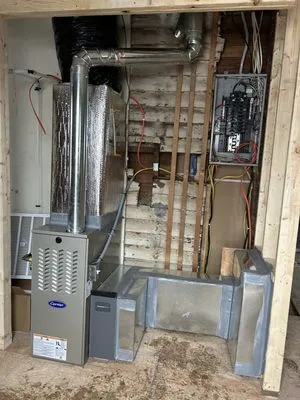
CR Heating and Cooling is a locally owned and operated HVAC business serving Columbus, IN, founded by a technician with over a decade of hands-on experience. After graduating from technical school in ...

Advantage Heating and Air
As the son of owner Billy Stott, I've dedicated myself to growing Advantage Heating and Air into the leading HVAC contractor in southern Indiana. After serving six years in the Navy, I've focused on e...

JR Home Services is your trusted, full-service provider in Columbus, IN, dedicated to enhancing your home's comfort, beauty, and functionality. We specialize in landscaping, HVAC, and pressure washing...
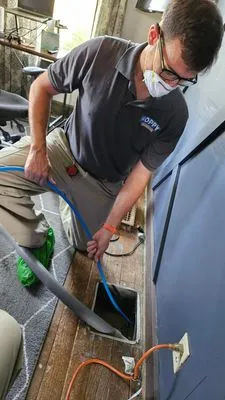
Hoppy Heating and Air
Hoppy Heating and Air is your trusted Columbus, IN, neighbor for all heating and cooling needs. We specialize in solving the specific HVAC challenges our community faces, like short cycling and dirty ...
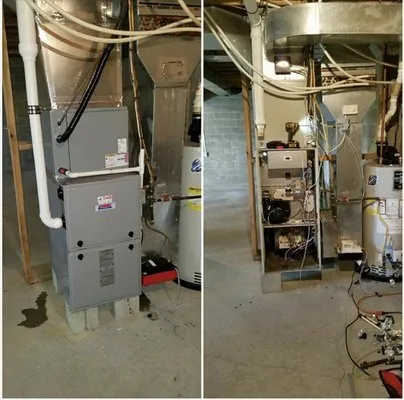
AC Case Heating and Cooling
AC Case Heating and Cooling has been a trusted name in Columbus, Seymour, and the surrounding Indiana communities since 2014. We specialize in comprehensive heating and cooling solutions, from new ins...
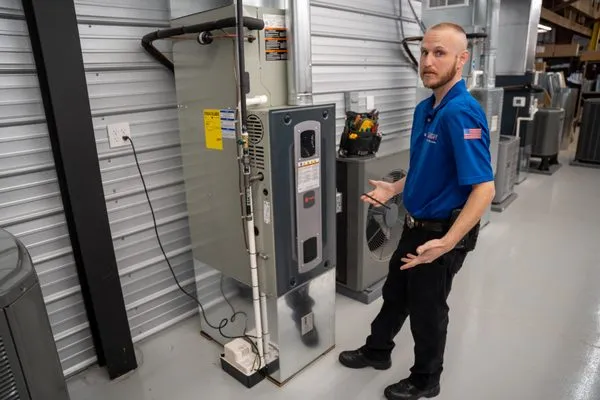
Johnson Heating Cooling & Plumbing
Johnson Heating Cooling & Plumbing has been a cornerstone of home comfort in Columbus, Indiana, since 1968. As a family-owned business, we've grown from a small operation into a trusted local provider...
Talkington Technologies
Talkington Technologies is a Columbus-based provider specializing in protecting and connecting your home or business. We offer reliable security system installation, monitoring, and repair services to...

C & M HVAC is a trusted heating and air conditioning company serving Columbus, Indiana, and the surrounding areas. Specializing in HVAC installation, replacement, and maintenance, they help homeowners...

Shield Comfort Heating & Cooling
Shield Comfort Heating & Cooling was founded by a local technician with over 20 years of experience and a simple belief: Columbus residents deserve reliable, affordable HVAC service without the high-p...
Peterman Brothers
For over three decades, Peterman Brothers has been a trusted name in Columbus for dependable home comfort solutions. Since 1993, our local team has provided straightforward, reliable service for heati...
Frequently Asked Questions
How do Columbus summer temperatures affect AC performance?
Columbus summer highs often reach 95°F, exceeding the 90°F design temperature used for most residential systems. This 5°F gap causes systems to run continuously during peak afternoon hours, reducing efficiency by 15-20%. R-454B refrigerant maintains better performance in these conditions than older R-410A, with approximately 5% higher capacity at 95°F ambient. Proper sizing through Manual J calculations accounts for this temperature differential to prevent undersizing and ensure adequate dehumidification.
What permits and standards apply to new AC installations in Columbus?
The Columbus City Building and Zoning Department requires permits for all HVAC replacements involving refrigerant changes or electrical modifications. For 2026 installations using R-454B refrigerant, technicians must hold EPA Section 608 certification with A2L-specific training. These mildly flammable refrigerants require leak detection systems, service access valves, and proper ventilation per ASHRAE Standard 15. Documentation of charge size and leak testing must accompany permit applications to ensure compliance with updated safety protocols.
What does an Ecobee E160 alert mean for my Columbus system?
An Ecobee E160 alert indicates the thermostat has detected 5 consecutive short cycles within an hour. In Columbus's humid climate, this often signals a condensate drain backup triggering the float switch or low refrigerant charge from a slow leak. The system protects itself by shutting down between cycles, but continued operation in this state can damage the compressor. Immediate inspection identifies whether the issue requires drain cleaning, refrigerant leak detection, or sensor calibration specific to Columbus's humidity conditions.
Why do so many Columbus HVAC systems have condensate drain issues?
The average Columbus home was built in 1982, making many HVAC units 44 years old in 2026. Galvanized sheet metal ductwork from that era develops internal corrosion over decades, which flakes off and combines with humid air moisture to form sludge. This sludge accumulates in condensate drain lines, especially during humid continental summers when systems run frequently. Regular drain line cleaning becomes essential for these aging systems to prevent water damage and microbial growth.
How do the 2026 SEER2 standards affect my energy bills?
The 14.3 SEER2 minimum for 2026 represents a 15% efficiency improvement over previous standards. At Columbus's 0.14/kWh electricity rate, upgrading from a 10 SEER to 16 SEER2 system saves approximately $450 annually on cooling costs. The Inflation Reduction Act's HEEHRA rebate provides up to $8,000 toward qualifying high-efficiency installations, making the payback period typically 3-5 years. These combined savings justify replacement before complete system failure occurs.
What if my Downtown Columbus AC stops working during a heatwave?
A no-cool emergency in Downtown Columbus requires immediate attention to prevent heat buildup. Our service vehicles route from Columbus City Hall via I-65 to reach most addresses within 8-12 minutes. We prioritize these calls because indoor temperatures can rise 2-3°F per hour when systems fail. Quick response prevents secondary issues like frozen evaporator coils or compressor damage from repeated restart attempts.
Should I switch from gas heat to a heat pump in Columbus?
Columbus winter lows around 20°F make modern cold-climate heat pumps viable alternatives to gas heating. During utility peak hours from 14:00-19:00, heat pumps operate at 250-300% efficiency compared to gas furnaces at 95%. The HEEHRA rebate covers dual-fuel systems that combine heat pumps with existing gas backup for temperatures below 15°F. This hybrid approach leverages Columbus's 0.14/kWh off-peak rates while maintaining reliability during extreme cold snaps.
Can my older ductwork handle better air filters for Columbus's ozone and pollen?
Galvanized sheet metal ductwork with external wrap generally supports MERV-13 filters if the system has adequate blower capacity. Columbus experiences ozone risk and May pollen peaks that benefit from enhanced filtration. However, static pressure testing is essential before upgrading—many 1980s systems operate near their design limits. We measure pressure drop across the filter rack to ensure adding MERV-13 won't reduce airflow below 350 CFM per ton, which could cause freezing or premature component failure.
