
Top Emergency HVAC Services in Jasper, IN, 47546 | Compare & Call

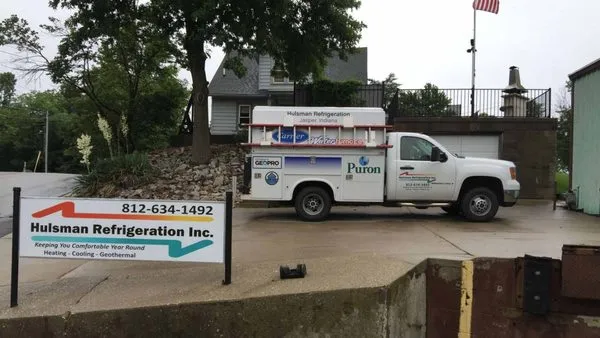
Hulsman Refrigeration
Hulsman Refrigeration has been a trusted family-owned HVAC and water heater service provider in Jasper, Indiana, since 1970. With over five decades of experience, we specialize in geothermal heating a...
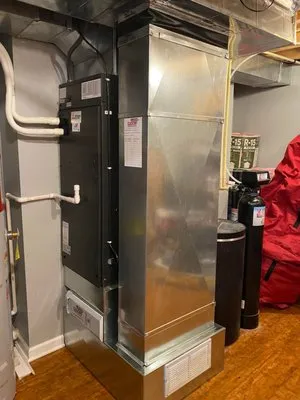
Gudorf Plumbing Heating Cooling Electrical
Gudorf Plumbing Heating Cooling Electrical is a family-owned and operated business serving Jasper, IN, and surrounding areas since 1964. With three generations of experience, they provide comprehensiv...
Gudorf Contracting is your local, full-service HVAC partner in Jasper, Indiana. We handle everything from residential service and maintenance to commercial HVAC needs. Our team is equipped to work on ...

Mehringer Plumbing & HVAC
Mehringer Plumbing & HVAC is a trusted local service provider in Jasper, Indiana, specializing in heating, cooling, plumbing, and water heater solutions. We help Jasper residents and businesses tackle...
SCHMIDT CONTRACTING
For over 70 years, Schmidt Contracting has been a trusted name serving Jasper and the surrounding communities. As a family-owned and operated business, we specialize in a comprehensive range of home s...
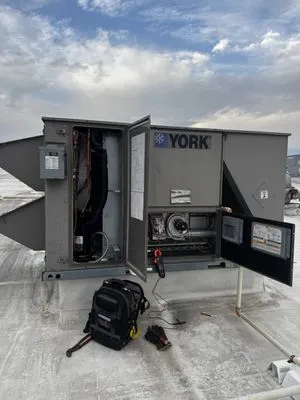
Nexair HVAC & Maintenance is a trusted Jasper-based provider of heating, ventilation, and air conditioning services for both residential and commercial properties. We specialize in professional HVAC i...
Home Services at The Home Depot
Home Services at The Home Depot in Jasper is your local partner for professional home improvement installations and repairs. Our team of certified Jasper-area installers specializes in flooring, windo...
National Energy Control Services is Jasper's trusted provider for comprehensive heating and air conditioning solutions. Operating locally in Dubois County, we understand the unique HVAC challenges fac...
Frequently Asked Questions
Should I consider switching from gas heat to a heat pump in Jasper given our winter temperatures?
Modern cold-climate heat pumps operate efficiently in Jasper's winters, with many maintaining full capacity down to 5°F. The economic case strengthens when considering Jasper Municipal Utilities' 14:00-19:00 peak rates; heat pumps can be programmed to pre-cool homes before peak hours. With the $8,000 federal rebate covering most conversion costs, and heat pumps providing both heating and cooling, the switch makes financial sense for homes with existing ductwork. Dual-fuel systems that pair heat pumps with gas backup offer redundancy for extreme cold snaps.
Can my home's existing galvanized steel ductwork handle better air filters for Jasper's pollen and ozone?
Galvanized steel ductwork generally supports MERV-13 filters if the system has adequate blower capacity. Jasper's May pollen peak and summer ozone risk make MERV-13 filtration valuable for capturing fine particulates. However, installing these filters in older systems requires checking static pressure; exceeding 0.5 inches water column reduces airflow and efficiency. A technician should measure pressure drop and potentially adjust fan speed to maintain proper airflow while improving filtration.
What does the new 14.3 SEER2 minimum mean for Jasper homeowners replacing old systems?
The 14.3 SEER2 mandate effective January 2026 requires all new installations to meet higher efficiency standards than previous 13 SEER units. At Jasper's 0.13/kWh rate, upgrading from a 10 SEER to a 16 SEER2 system saves approximately $300 annually. The Inflation Reduction Act's $8,000 heat pump rebate covers most of the premium for high-efficiency models, making the payback period under 3 years when combined with Jasper Municipal Utilities' $300 HVAC rebate.
If my Downtown Jasper AC stops cooling during a heatwave, how quickly can a technician arrive?
A technician can typically reach Downtown Jasper within 5-10 minutes from the Jasper City Mill area. Using US-231 provides direct access to most neighborhoods, bypassing downtown traffic during emergencies. Dispatch prioritizes no-cool calls when temperatures exceed 90°F, with technicians carrying common replacement parts like contactors and capacitors. This response time minimizes heat buildup in your home before diagnostics begin.
My Ecobee thermostat shows an E1 error code. What does this mean for my Jasper HVAC system?
The Ecobee E1 error indicates the thermostat isn't detecting proper equipment operation, often due to a safety lockout or communication failure. In Jasper's humid climate, this frequently signals condenser coil issues or refrigerant pressure problems that trigger system shutdowns. The error helps prevent compressor damage by alerting homeowners before complete failure. A technician should check refrigerant charge, clean the condenser coil, and verify electrical connections to resolve the underlying issue specific to Jasper's environmental conditions.
Why does my AC seem to lose cooling capacity on Jasper's hottest summer days?
Jasper's design temperature of 90°F represents the outdoor condition HVAC systems are sized to maintain 75°F indoors. When temperatures exceed this threshold—as they regularly do in summer—systems must work harder, reducing their cooling capacity. Modern R-454B refrigerant maintains better performance at high temperatures than older R-410A, with approximately 5% higher capacity at 95°F. Proper sizing through a Manual J load calculation ensures adequate capacity for Jasper's peak summer conditions.
What permits and safety standards apply to new AC installations in Jasper under 2026 regulations?
All HVAC installations in Jasper require permits from the Jasper Building Department, with inspections verifying proper sizing, electrical connections, and refrigerant handling. The 2026 standards mandate special protocols for R-454B and other A2L refrigerants, which are mildly flammable. These include leak detection systems, service access clearances, and technician certification requirements. Proper documentation of refrigerant charge and system commissioning is now legally required for rebate eligibility and warranty validation.
My Jasper home's AC seems to struggle more each summer. Could its age be the main factor?
Homes in Jasper average 42 years old, meaning original HVAC systems date to 1984. Units this age operate with worn components and outdated refrigerants like R-22, which is no longer manufactured. In humid continental climates, condenser coil corrosion accelerates due to seasonal moisture and temperature swings, reducing heat transfer efficiency. This aging process explains why older systems require more frequent repairs and fail to maintain consistent cooling.
