
Top Emergency HVAC Services in Mitchell, IN, 47446 | Compare & Call

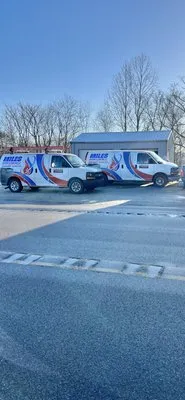
Miles Heating and Cooling
For over 25 years, Miles Heating & Cooling has been the trusted local choice for heating, cooling, and water heater services in Mitchell and throughout Lawrence County. As a family-owned and operated ...
Bailey's Heating & Cooling
Bailey's Heating & Cooling is a trusted, locally-owned HVAC provider serving Mitchell and the wider Lawrence County area for over 16 years. As a fully-insured and bonded company, we specialize in keep...

Edwards Heating And Cooling
Edwards Heating And Cooling is a trusted Mitchell, IN, HVAC, plumbing, and insulation specialist dedicated to keeping local homes comfortable year-round. We help homeowners tackle common issues like f...
Morrow's HVAC is your trusted, local heating and cooling expert serving Mitchell, Indiana, and the surrounding area. We specialize in diagnosing and repairing the common HVAC issues that impact homes ...

Charlie Meadows Heating & Cooling
Charlie Meadows Heating & Cooling is your trusted local HVAC, plumbing, and general contracting expert serving Mitchell, IN. We specialize in addressing the most common heating and cooling challenges ...
D & R Service & Contracting is a trusted, locally-owned HVAC company serving Mitchell, IN, and the surrounding area. We specialize in providing reliable heating and air conditioning solutions tailored...
Frequently Asked Questions
With gas heat, is switching to a heat pump a good idea for Mitchell winters?
A modern cold-climate heat pump is a viable primary heat source for Mitchell, even with winter lows around 20°F. The economics depend on your gas versus electricity rates and the $8,000 federal rebate for qualified heat pump installations. To maximize savings, program the thermostat to reduce heating during Duke Energy Indiana's peak hours (2-7 PM) when possible, as this can lower demand charges on your bill.
Can my existing ducts handle a better air filter for our ozone and pollen issues?
Mitchell's May pollen peak and summer ozone risk make MERV-13 filtration a strong recommendation for indoor air quality. However, the original galvanized steel ductwork in many homes can be restrictive. Installing a high-MERV filter without a static pressure test may overload your blower motor. A technician should measure system static pressure to confirm your ducts can handle the upgrade without sacrificing airflow or efficiency.
What does the new 14.3 SEER2 minimum mean for my electricity bill?
The 14.3 SEER2 federal minimum effective in 2026 ensures new systems use about 15% less energy than older 13 SEER models. At Mitchell's average rate of $0.14 per kWh, this can translate to meaningful annual savings. Pairing a high-SEER2 system with the active Inflation Reduction Act rebates, which offer up to $8,000, significantly reduces the net upgrade cost and improves the payback period.
My Ecobee thermostat is showing an 'E1' alert. What does that mean here?
An Ecobee E1 error indicates the thermostat is not detecting a call for cooling or heating, often due to a safety lockout or communication loss with the HVAC equipment. In Mitchell's humid environment, this signal frequently correlates with a primary safety switch trip from a clogged condensate drain line—the system shuts off to prevent water damage. Checking and clearing the drain line and pan is the standard first step in diagnosis.
What are the permit and safety rules for a new AC installation now?
All new installations in Lawrence County require a permit from the Lawrence County Building Department. Since 2025, systems using A2L refrigerants like R-454B, which are mildly flammable, must comply with updated safety standards (UL 60335-2-40). This mandates specific leak detectors, revised electrical clearances, and revised service practices. Only EPA-certified technicians trained in A2L handling should perform this work to ensure code compliance and safety.
My system seems old. How many years of service can I expect from a Mitchell unit?
An average home here was built around 1973, meaning many original systems are over 50 years old. Units installed in the 1990s are now 30+, which is beyond the typical 15-20 year design life. This age directly contributes to the common condensate drain line blockages; biological growth thrives in the humid climate and decades of accumulated dust and debris within the galvanized steel ductwork, restricting drainage and causing water leaks.
Why does my AC struggle on the hottest days we get?
Local HVAC systems are engineered for a 90°F design temperature, based on historical climate data. When ambient temperatures exceed this, the system's capacity to remove heat diminishes, and the temperature difference (delta T) across the coil drops. Modern units using R-454B refrigerant maintain better efficiency and capacity at these higher temperatures compared to older R-410A systems, but all equipment has a performance limit during extreme heat.
If my AC stops on a hot day in Downtown Mitchell, how fast can a technician get here?
A dispatch from our service center near IN-37 to Downtown Mitchell typically takes 8-12 minutes. We route technicians efficiently using the IN-37 corridor, avoiding congestion around Spring Mill State Park during peak visitor hours. For a true no-cool emergency, we prioritize same-day service to prevent indoor humidity and temperature from rising rapidly in your home.
