
Top Emergency HVAC Services in Richmond, IN, 47330 | Compare & Call

Specialized HVAC & Mechanical
Specialized HVAC & Mechanical is your trusted, local Richmond partner for dependable heating, cooling, electrical, and plumbing services. We believe in delivering straightforward, quality work at a fa...
Ace Hardware Home Services has been a trusted provider of heating and cooling solutions in Richmond, IN, for over 60 years. We specialize in HVAC installation, repair, and maintenance, focusing on upg...
Raptor Heating & Air is a trusted HVAC company serving Richmond, IN, and surrounding areas. We specialize in both installation and repair services to address common local issues like aging systems and...
For over 30 years, Reynolds Plumbing has been the trusted name for plumbing, heating, and air conditioning services in Richmond and Wayne County. Since 1983, our licensed team has provided reliable so...

Maitlen Heating & Air Conditioning
Maitlen Heating & Air Conditioning is a trusted HVAC provider serving Richmond, IN, and the surrounding communities. With years of local experience, we specialize in diagnosing and resolving common he...
Cloverleaf Supply & Service
Cloverleaf Supply & Service has been Richmond's trusted heating and air conditioning specialist since 1967, with particular expertise in mobile home systems. As a local family-owned business, we provi...
3F Mechanical is a trusted heating and air conditioning (HVAC) company serving Richmond, IN, and the surrounding communities. We specialize in diagnosing and resolving common local HVAC issues, such a...
Southside Heating Supply is a locally owned, full-service HVAC supplier serving Richmond, IN, and the surrounding area. We pride ourselves on being a comprehensive resource for homeowners and contract...
Bader Mechanical
Bader Mechanical has been a trusted mechanical services provider in Richmond, Indiana, since 1936. We specialize in HVAC systems, plumbing, and electrical solutions for homes and businesses across the...
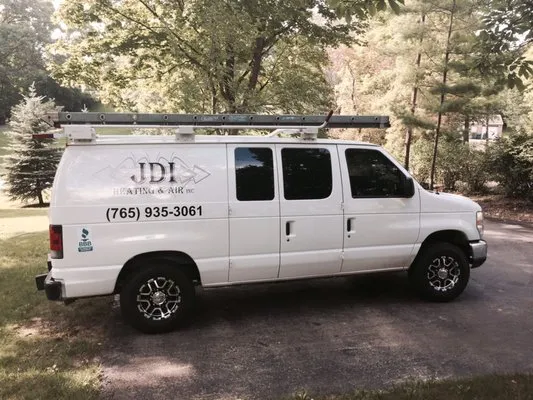
J D I Heating & Air is a trusted HVAC company serving Richmond, IN, and the surrounding communities. With years of experience, we specialize in diagnosing and repairing common local heating and coolin...
Question Answers
Can my older duct system handle better air filters for Richmond's ozone and pollen issues?
Galvanized steel ductwork from 1930s-era homes often has adequate cross-sectional area for MERV-13 filters, but requires static pressure testing. Richmond's May pollen peak and summer ozone risk make high-efficiency filtration valuable for reducing respiratory irritants. A technician should measure your system's static pressure before installing MERV-13 filters, as excessive restriction can reduce airflow by 15-20% in older duct systems.
What should I do if my Highland Park home loses cooling during a heatwave?
First check your thermostat settings and circuit breakers, then call for service. Technicians based near Glen Miller Park can reach Highland Park via US-27 within 10-15 minutes for emergency no-cool calls. During dispatch, clear access to your outdoor unit and indoor air handler. Quick response prevents compressor damage when refrigerant pressures spike in Richmond's summer heat.
Should I consider switching from gas heat to a heat pump in Richmond?
Heat pumps work effectively in Richmond's climate, with modern units maintaining capacity down to 5°F. The 2-7 PM peak rate period makes heat pumps economical during off-peak hours, especially with Indiana Michigan Power's $300 efficiency rebate. For homes with existing gas infrastructure, a dual-fuel system provides gas backup during extreme cold while maximizing electric efficiency during moderate winter temperatures.
How do the new 2026 efficiency standards affect my utility bills?
The 14.3 SEER2 minimum for 2026 represents a 15% efficiency gain over previous standards. At Richmond's 14¢/kWh rate, upgrading from a 10 SEER system to 18 SEER2 saves about $450 annually on cooling. The Inflation Reduction Act provides up to $8,000 in rebates for qualifying installations, making the payback period under 5 years for most Highland Park homes.
What permits and safety standards apply to new HVAC installations in Richmond?
The Richmond Building Inspection Department requires permits for all HVAC replacements, with inspections verifying proper sizing and installation. For 2026, R-454B refrigerant installations must follow ASHRAE 15-2022 standards for A2L mildly flammable refrigerants, including leak detection systems and proper ventilation calculations. Technicians need EPA Section 608 certification with specific A2L endorsement, and systems must be registered for warranty validation.
What does an Ecobee E1 error code mean for my Richmond HVAC system?
An Ecobee E1 alert indicates the thermostat isn't detecting proper equipment operation, often due to communication issues with the HVAC control board. In Richmond's humid climate, this frequently correlates with condensate overflow switches triggering during high humidity periods. The error can also signal compressor or fan relay failures. A technician should verify control voltage and check the condensate safety switch before assuming major component failure.
Why do Richmond HVAC systems seem to fail more often as they get older?
Richmond homes average 88 years old, meaning many HVAC units are well past their 15-20 year design life. Galvanized steel ductwork from that era develops microscopic corrosion over decades, allowing moisture and debris to accumulate. This aging infrastructure creates ideal conditions for condensate line blockages, where algae and mineral deposits restrict drainage. Systems in humid continental climates like Richmond's work harder to remove moisture, accelerating this failure pattern.
Why does my AC struggle when temperatures exceed 89 degrees?
Richmond HVAC systems are designed for 89°F outdoor temperatures, based on historical climate data. When actual temperatures reach 95-100°F, the system's capacity drops 10-15% while heat gain increases. R-454B refrigerant maintains better performance at high temperatures than older refrigerants, but all systems lose efficiency above their design limit. Proper sizing and shade for the outdoor unit help mitigate this performance gap.
