
Top Emergency HVAC Services in Council Grove, KS, 66846 | Compare & Call

There are 22 hvac companies server in Council Grove KS
A-1 Plumbing Heating Cooling Electrical
Since 1985, A-1 Plumbing Heating Cooling Electrical has been the trusted local service provider for Topeka, Lawrence, and Northeast Kansas homes. With over 4,000 service calls completed last year alon...
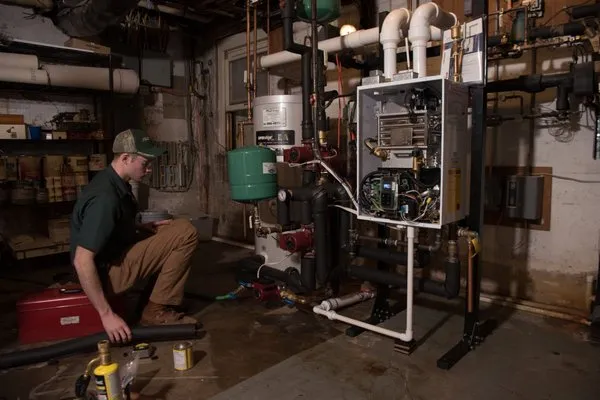
McElroy's has been serving Topeka and northeast Kansas since 1951 as a trusted, full-service mechanical contractor. We specialize in plumbing, heating, and air conditioning services for both residenti...
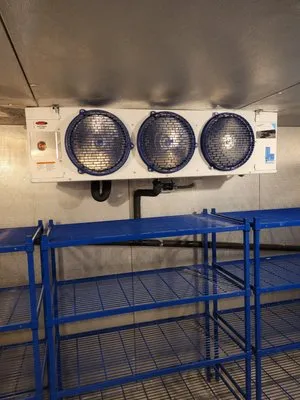
BW Refrigeration is a family-owned and operated HVAC and refrigeration service provider based in Lawrence, Kansas, serving Baldwin City and Douglas County. Founded in 2019 by Brandon Warkentin, the bu...

J Company (J-Co.) is a small, family-run HVAC business in Topeka, KS, built on a foundation of over 50 years of combined experience. Founded in 2025, our roots trace back to a beloved local mentor who...
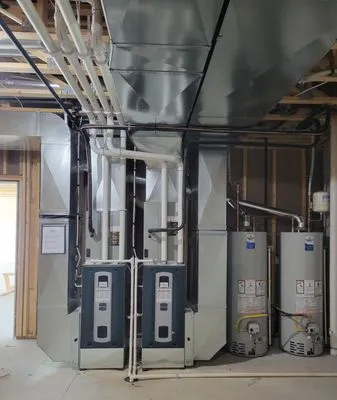
Friess Heating & Air Conditioning is a family-owned, local business that has been serving the Topeka community with reliable HVAC solutions since 2005. Specializing in residential heating and cooling,...

Schooleys HVAC, proudly serving Topeka, is built on a foundation of deep technical expertise and a commitment to honest, reliable service. Founded in 2021 by longtime friends Mike and Dustin, the comp...
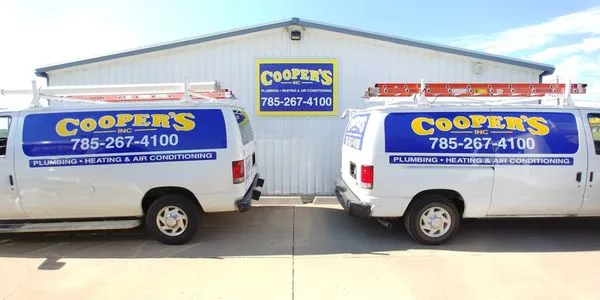
Since 1986, Coopers has been the trusted local provider of plumbing, heating, and air conditioning services for Topeka homeowners. As a licensed and established company, we handle everything from rout...
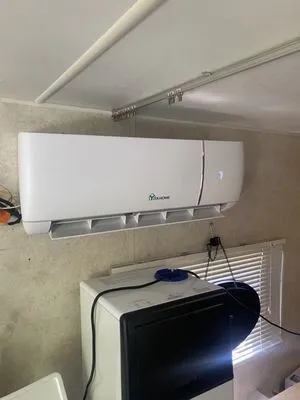
Dave's Not Here is a family-owned and operated HVAC, plumbing, and handyman service based in Topeka, KS, founded by Dave and his wife. With Dave's 25 years of experience in HVAC and refrigeration, the...

Sipp's HVAC is your trusted, local heating and air conditioning expert in Topeka, KS. We specialize in professional HVAC installation, replacement, and repair, focusing on the specific challenges Tope...
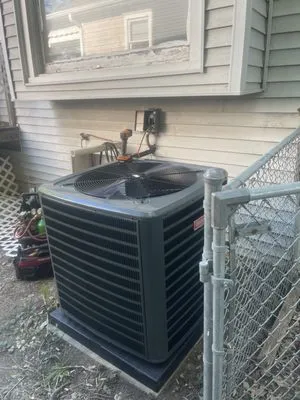
Noto Comfort Air is your trusted local HVAC and plumbing expert serving Silver Lake, KS. We specialize in comprehensive heating, cooling, and plumbing solutions to keep your home comfortable and funct...
Estimated HVAC Service Costs in Council Grove, KS
Frequently Asked Questions
What does an Ecobee E1 error code mean for my Council Grove HVAC system?
The E1 code indicates a communication failure between your thermostat and HVAC equipment. In Council Grove's environment, this often results from voltage fluctuations during agricultural irrigation cycles or corrosion on low-voltage connections. Check the wiring at both the thermostat and air handler—if connections appear solid, the control board may need replacement. This alert typically appears before complete system failure, allowing preventive maintenance.
Why do older HVAC systems in Council Grove seem to fail more often?
The average Council Grove home was built in 1958, making many HVAC systems 68 years old in 2026. Galvanized steel ductwork from that era often develops leaks at seams, reducing airflow efficiency by 15-20%. This aging infrastructure is particularly vulnerable to condenser coil oxidation from the humid continental climate and agricultural dust, which accelerates corrosion and refrigerant leaks in systems not designed for modern A2L refrigerants.
How does Council Grove's summer heat affect air conditioner performance?
While historical highs reach 105°F, HVAC systems are designed for 96°F—the 9-degree gap means units operate at maximum capacity about 15% of summer hours. R-454B refrigerant maintains efficiency better than older refrigerants in these conditions, with only 8% capacity loss at 105°F versus 15% for R-410A. Proper sizing through Manual J calculations prevents short-cycling during moderate temperatures while ensuring capacity during heatwaves.
What should I do if my air conditioning stops working during a Council Grove Historic District heatwave?
First check your thermostat settings and circuit breakers, as power surges are common during peak cooling demand. If the system remains off, a technician can typically reach the Historic District from the Council Grove Reservoir area via US-56 within 5-10 minutes. This response time allows diagnosis of common issues like capacitor failure or refrigerant loss before indoor temperatures become uncomfortable.
Can my home's existing ductwork handle better air filtration for pollen and ozone?
Galvanized steel ductwork typically handles MERV-13 filters if the system has adequate blower capacity. During May pollen peaks, MERV-13 captures 85% of pollen particles, but monitor static pressure—if it exceeds 0.5 inches water column, consider duct sealing. For ozone risk days, activated carbon filters can be added to existing ductwork without modification, reducing indoor ozone concentrations by 60-70%.
What permits and safety standards apply to new HVAC installations in 2026?
All Council Grove installations require permits from the Morris County Planning and Zoning Department, with inspections verifying A2L refrigerant compliance. The 2026 standards mandate leak detection systems for R-454B installations, emergency ventilation in equipment rooms, and technician certification for flammable refrigerant handling. These requirements address R-454B's mild flammability while maintaining the refrigerant's superior efficiency and lower global warming potential.
Should I consider switching from gas heat to a heat pump in Council Grove?
Heat pumps work efficiently in Council Grove's climate, maintaining COP above 2.0 down to 20°F. With winter lows around 10°F, a cold-climate heat pump with auxiliary heat provides reliable heating while cutting fuel costs. Schedule heat pump operation to avoid Evergy's 14:00-19:00 peak hours, using the thermal mass of your home to maintain comfort during higher-rate periods.
How do the new 2026 SEER2 requirements affect my utility bills?
The 14.3 SEER2 minimum represents a 15% efficiency improvement over previous standards. At Council Grove's 14¢/kWh rate, upgrading from a 10 SEER to a 16 SEER2 system saves approximately $300 annually on cooling costs for a typical 2.5-ton unit. The Inflation Reduction Act's $8,000 rebate cap makes this upgrade cost-effective, with payback periods often under 5 years when combined with Evergy's $500 efficiency rebate.
