
Top Emergency HVAC Services in Corbin, KY, 40701 | Compare & Call


Kentucky Climate Control is a family-owned HVAC company based right here in Corbin, founded by Master Technician Jeremy in 2012. What started as a one-person operation has grown into a dedicated team ...

R And S Heating And Cooling
R And S Heating And Cooling has been a trusted name in Corbin, Kentucky, providing reliable solutions for home comfort and appliance functionality. As a local, family-operated business, they specializ...
Terrells LLC Heating & Air is a trusted HVAC company serving Corbin, KY, and the surrounding communities. We specialize in diagnosing and fixing common local heating and cooling problems that homeowne...
Tri-County Mechanical is Corbin's trusted heating and cooling specialist. We understand the frustration of an air conditioner that isn't cooling your home properly or a thermostat that won't cooperate...
Bryant's Plumbing & HVAC
Bryant's Plumbing & HVAC is your trusted local expert in Corbin, Kentucky, dedicated to keeping homes comfortable year-round. We specialize in comprehensive plumbing inspections and full-service HVAC ...
Freddie Taylor Service is a trusted heating and air conditioning (HVAC) company serving Corbin, KY, and the surrounding areas. With expertise in diagnosing and repairing common local HVAC issues, they...
Manns George Heating & Cooling is a trusted HVAC provider serving Corbin, KY, and the surrounding communities. We understand the common challenges local homeowners face, such as air conditioners that ...
Wholesale Supply Group
Wholesale Supply Group has been a cornerstone of the Corbin community for over 80 years, serving as a comprehensive source for construction and home improvement needs. We provide a vast inventory of w...
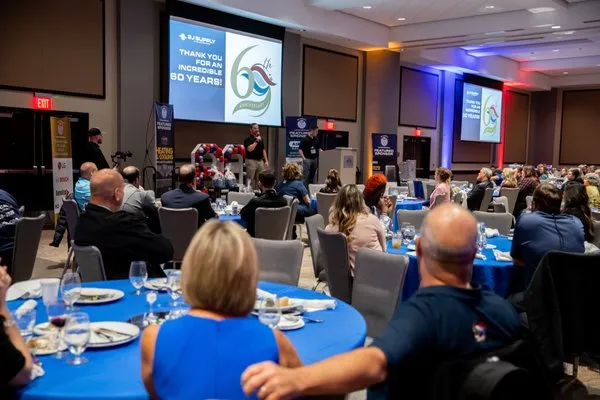
2J Supply HVAC Distributors
2J Supply Co. Inc. is a cornerstone HVAC distributor for professionals in Corbin and the surrounding region, built on over 60 years of family-owned expertise. Founded in 1962 by Jim Winget and Jerry T...
Questions and Answers
How do the new SEER2 standards affect my utility bills in Corbin?
The 2026 minimum SEER2 requirement of 14.3 represents a 15% efficiency improvement over previous standards. At Kentucky Utilities' current rate of $0.13/kWh, upgrading from a 10 SEER system to a 16 SEER2 unit saves approximately $450 annually on cooling costs. The Inflation Reduction Act's $8,000 rebate cap makes this upgrade economically viable, with typical payback periods under 5 years for Corbin's 3-ton average systems.
What should I do if my air conditioning stops working during a Downtown Corbin heatwave?
First, check your thermostat settings and circuit breakers, then verify the condensate drain pan isn't overflowing. For immediate service, technicians based near the Colonel Sanders Museum can reach Downtown Corbin via I-75 within 5-10 minutes. This rapid response prevents heat buildup that stresses older duct board plenums and reduces the risk of refrigerant leaks in R-454B systems.
Should I replace my natural gas furnace with a heat pump in Corbin?
Heat pumps now provide effective heating in Corbin's climate, with modern cold-climate models maintaining efficiency down to 5°F. The economic case strengthens when considering Kentucky Utilities' peak hours from 14:00-19:00, when heat pumps can utilize off-peak electricity rates. Dual-fuel systems that pair a heat pump with existing natural gas backup offer optimal flexibility, using the heat pump during moderate temperatures and switching to gas during extreme cold or peak rate periods.
Can my older duct system handle better air filters for Corbin's pollen and ozone issues?
Galvanized sheet metal with duct board plenums typically has adequate structural integrity for MERV-13 filters, but static pressure must be measured. Corbin's April pollen peak and summer ozone risk require enhanced filtration, yet older blower motors may struggle with the increased airflow resistance. A static pressure test below 0.5 inches WC indicates your system can accommodate MERV-13 without reducing airflow or causing coil freeze-ups.
What permits and safety standards apply to new HVAC installations in Corbin?
All HVAC replacements in Corbin require permits from the Corbin Building and Zoning Department, with inspections verifying proper refrigerant charge and combustion safety. The 2026 A2L refrigerant standards mandate specialized training for technicians handling R-454B, which has lower flammability than propane but requires different handling than traditional refrigerants. Installations must include leak detection systems and follow ASHRAE 15-2022 guidelines for equipment room ventilation and clearance distances.
What does an Ecobee E1 error code mean for my Corbin HVAC system?
An Ecobee E1 alert indicates the thermostat has lost communication with your HVAC equipment for over 5 minutes. In Corbin's humid environment, this often signals condensate overflow triggering a safety float switch, which disables the system to prevent water damage. Alternatively, it could indicate power fluctuations common during summer thunderstorms. Check the condensate drain line first, then verify circuit breaker status before calling for service.
Why do older HVAC systems in Corbin homes have more drainage problems?
Corbin homes built around 1975 now have HVAC equipment approaching 50 years old. Galvanized sheet metal ductwork from that era develops micro-fissures that allow humid air infiltration. When combined with Kentucky's humid climate, this creates ideal conditions for algae and mold growth in condensate drain lines. The biological buildup eventually clogs the drain, causing water backup and potential system shutdown.
Why does my air conditioner struggle on Corbin's hottest days?
HVAC systems in Corbin are designed for 91°F outdoor temperatures, but actual summer highs frequently exceed this threshold. When ambient temperatures surpass the design limit, refrigerant pressure increases and compressor efficiency drops by 2-3% per degree. R-454B refrigerant maintains better performance than older refrigerants in these conditions, but systems may still experience reduced capacity and longer run times during peak heat events.
