
Top Emergency HVAC Services in Glasgow, KY, 42141 | Compare & Call

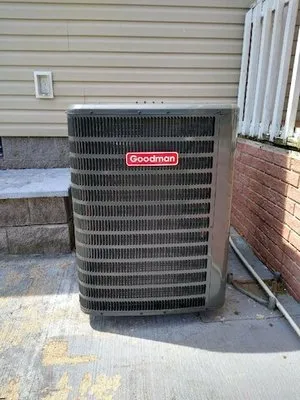
Haywood Heating And Cooling
For nearly three decades, Haywood Heating & Cooling has been the Glasgow community's trusted provider of heating and cooling solutions. Since 1995, our licensed and insured team has served homeowners ...
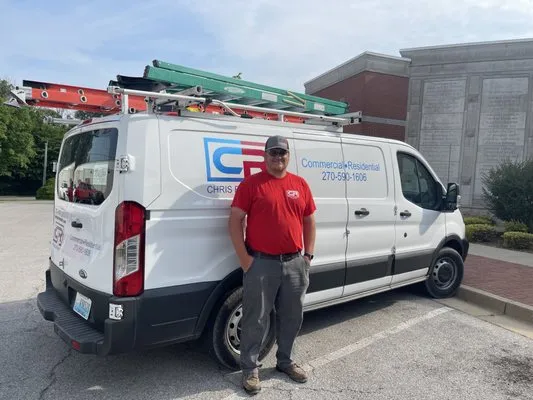
Chris Reece HVAC has been serving Glasgow and the surrounding areas with reliable heating and cooling services for over 17 years. Our approach is built on honesty and customer-first service. We don't ...
Jill's in Glasgow, KY, is your trusted local HVAC specialist, dedicated to keeping Glasgow homes comfortable and energy-efficient year-round. We understand that local homeowners often face frustrating...

Cool Breeze Heating and Cooling is a Glasgow, KY-based HVAC company owned and operated by a team with a Master License #HM06941 and EPA certification. Since opening in 2024, they have focused on provi...

HVAC Services
HVAC Services, Inc. is a licensed HVAC provider with over 35 years of experience serving South Central Kentucky, including Glasgow. We specialize in heating, ventilation, and air conditioning solution...

Brown's Heating & Cooling is your trusted, local HVAC specialist in Glasgow, KY. We understand the specific challenges homeowners face in our climate, from frustrating blower motor failures to air con...

Air Tech Services is your trusted local HVAC expert in Glasgow, KY. We specialize in professional HVAC installation and replacement services for homes throughout the Barren County area. We understand ...
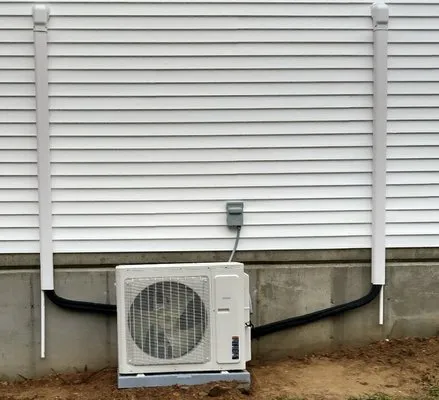
Artic HVAC is a locally-owned and operated HVAC contractor serving Glasgow, KY, and surrounding areas since 2020. As a full-service heating and air conditioning company, we specialize in installations...
Southern Comfort Services HVAC/R LLC is a Glasgow, Kentucky, institution dedicated to delivering reliable comfort to our neighbors. Founded in 2019 and built on over two decades of field experience, w...

SemperCool Refrigeration is Glasgow's trusted HVAC partner, specializing in the installation, replacement, and repair of heating and cooling systems. We understand the specific challenges Glasgow home...
Common Questions
Is a new air conditioner worth the investment with current rebates?
Federal HEEHRA rebates under the Inflation Reduction Act provide up to $8,000 for qualified heat pump installations, directly reducing upfront cost. Pairing this with the Glasgow EPB's $300 rebate offsets a significant portion. With Glasgow's residential rate at $0.11 per kWh, upgrading from a 10 SEER unit to a modern 18 SEER2 system can cut cooling costs by nearly 40%, making the payback period shorter than ever.
What are the rules for installing a new air conditioner in 2026?
All new installations in Glasgow require a permit from the Glasgow Department of Building Inspection. As of 2026, systems using A2L refrigerants like R-454B must comply with updated safety standards, including leak detectors, revised clearance zones, and specific labeling. These codes ensure safe handling of mildly flammable refrigerants. A licensed contractor will pull this permit and arrange the required post-installation inspection for system legality and homeowner safety.
Can my older ductwork handle better air filters for spring pollen?
Galvanized sheet metal ductwork, common in Glasgow homes, is structurally sound for upgraded filtration. The limitation is the system's static pressure. Adding a standard 1-inch MERV-13 filter to an older system often creates excessive airflow restriction. A better solution is a 4-inch media cabinet installed at the air handler, which provides superior pollen and ozone particle capture with lower static pressure, protecting both air quality and equipment.
My Ecobee thermostat is showing an E1 error. What does that mean?
An Ecobee E1 alert indicates the thermostat has lost communication with the outdoor heat pump unit. In Glasgow, this is frequently caused by a tripped float switch in the air handler's drain pan due to a clogged condensate line—a common issue in our humid climate. It can also signal a failed control board or a break in the low-voltage wiring. This error proactively prevents water damage by shutting the system down, calling for professional diagnosis.
What happens if my AC stops cooling on a hot afternoon in Downtown Glasgow?
A complete 'no-cool' failure requires immediate diagnosis to prevent compressor damage. From our service center, we dispatch technicians via US-31E, reaching the Barren County Courthouse area within 5-10 minutes. The first steps are checking the capacitor and contactor at the outdoor unit, common points of electrical failure that can often be resolved on-site to restore cooling quickly.
Why do so many air conditioners in Glasgow homes need repairs?
The average Glasgow home was built around 1975, meaning many original or first-replacement HVAC units are now 15-20 years old. This age aligns with the expected lifespan of the evaporator coil. Our humid continental climate accelerates coil oxidation, a chemical reaction where moisture in the air corrodes the aluminum fins. An oxidized coil loses heat transfer efficiency and can develop refrigerant leaks, leading to the common failure we see here.
Should I consider switching from my gas furnace to a heat pump?
For Glasgow homes, a dual-fuel system pairing a heat pump with a gas furnace is often optimal. The heat pump efficiently handles moderate winter temperatures and cools in summer, leveraging lower off-peak electricity rates outside the 2-6 PM peak window. During sustained sub-freezing periods, the system automatically switches to the gas furnace for more economical and powerful heating, ensuring comfort and managing operating costs effectively.
How well do new AC units handle our hottest summer days?
HVAC systems in Glasgow are engineered for a 91°F design temperature, a standard based on local historical data. When actual temperatures exceed this, as they occasionally do, the system must run continuously to maintain setpoint. Modern units using R-454B refrigerant maintain higher efficiency and capacity at these elevated temperatures compared to older R-410A units, providing more stable cooling during peak heat events.
