
Top Emergency HVAC Services in Paris, KY, 40361 | Compare & Call

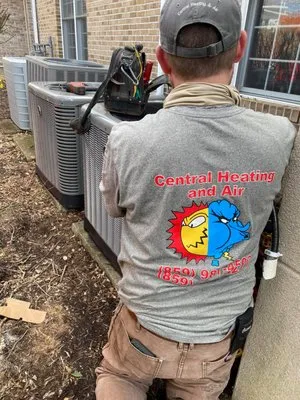
Central Heating & Air has been a trusted Paris, KY, HVAC provider since 1991, founded by Charles and Pat Hager Phipps. This family-owned and operated business is built on a commitment to reliable, per...
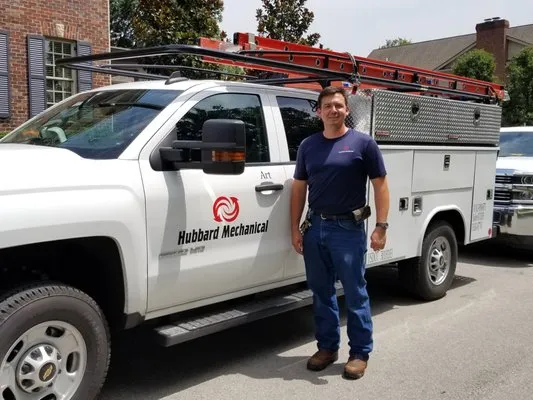
Hubbard Mechanical is a family-owned HVAC and plumbing service in Paris, KY, founded in 2015 by Art Hubbard. With over 25 years of hands-on experience, Art holds a Master HVAC license (2004), Journeym...
Kings Heating and Cooling is a trusted, locally-owned HVAC service provider serving the Paris, KY community. We understand the common local challenges homeowners face, such as refrigerant leaks in old...
Quality Air is your trusted local heating and air conditioning expert in Paris, KY. We understand that many homes in our area struggle with poor indoor air quality and the serious problem of mold grow...
Air Solutions Heating & Cooling is your trusted local HVAC expert serving Paris, KY, and surrounding areas. We specialize in diagnosing and resolving the common heating and cooling issues that homeown...

Martin's Sanitation Service
Martin's Sanitation Service has been a trusted provider in Paris, KY since 1962, specializing in comprehensive sanitation solutions for homes and businesses. After being acquired in 1995, the company ...
TNT Heating and Air is a Paris, KY-based HVAC contractor that has been serving the community since 2021. Specializing in both residential and light commercial projects, we provide comprehensive heatin...
McIntosh Heating and Air Conditioning is a trusted, locally-owned HVAC company serving Paris, KY, and the surrounding Bourbon County area. We understand the common frustrations homeowners face, from i...
Common Questions
What does an Ecobee E1 error code indicate for my Paris HVAC system?
The Ecobee E1 code specifically signals a communication failure between the thermostat and HVAC equipment. In Paris installations, this often results from voltage fluctuations during summer thunderstorms or corroded low-voltage wiring in older homes. The error prevents the thermostat from controlling heating or cooling modes, though emergency heat strips may still function. Diagnosis typically involves checking the 24V transformer, wiring connections at both ends, and potential interference from other electrical devices. Quick resolution prevents comfort issues during our humid summers.
Why does my air conditioner struggle when temperatures approach 95°F in Paris?
Paris HVAC systems are typically designed for 91°F outdoor temperatures, creating a performance gap during heatwaves. When ambient temperatures exceed the design limit, refrigerant pressure ratios increase, reducing both capacity and efficiency. The newer R-454B refrigerant maintains better performance at high temperatures than older R-410A, with approximately 5% higher capacity at 95°F. Proper sizing calculations account for these temperature extremes to prevent chronic underperformance during Kentucky's hottest weeks.
What permits and safety standards apply to new HVAC installations in Paris?
All Bourbon County HVAC installations require permits from the Bourbon County Building and Zoning Department, with inspections verifying compliance with 2026 mechanical codes. The transition to A2L refrigerants like R-454B introduces new safety requirements including leak detection systems, revised clearance distances, and specialized technician certification. These mildly flammable refrigerants demand proper ventilation calculations and equipment room classifications. Permit documentation must now include refrigerant charge calculations and safety data sheets, with inspectors particularly focused on combustion air provisions for gas furnace conversions.
What should I do if my air conditioning stops working during a Paris heatwave?
First check your thermostat settings and circuit breakers, then call for service if those are normal. From our location near Duncan Tavern Historic Center, we can typically reach Downtown Paris addresses within 5-10 minutes via US-27/68. This rapid response helps prevent heat buildup that stresses both occupants and building materials. Quick diagnosis often identifies simple issues like tripped breakers or clogged filters before they escalate.
How do the new 2026 SEER2 standards affect my cooling costs in Paris?
The 14.3 SEER2 minimum requirement represents about a 15% efficiency improvement over previous standards. At Kentucky's current 13¢/kWh rate, upgrading from a 10 SEER system to a 16 SEER2 unit could save approximately $300 annually on cooling. The Inflation Reduction Act provides up to $8,000 in rebates for qualifying high-efficiency installations, making the payback period surprisingly short. These standards specifically address part-load performance, which matters most during Kentucky's typical cooling season.
Can my older duct system handle better air filters for Paris's ozone and pollen issues?
Galvanized steel ductwork from 1970s construction often has adequate structural integrity but may develop airflow restrictions with high-MERV filters. While MERV-13 filters effectively capture May's pollen peak and mitigate ozone-related particulates, they increase static pressure by 0.2-0.4 inches of water column. Before upgrading filtration, have a technician measure your system's static pressure to ensure it won't overtax the blower motor. Proper sealing of duct joints becomes especially important with higher-efficiency filters.
Should I consider switching from gas heat to a heat pump in Paris?
Heat pumps become increasingly viable in Paris given our 14°F winter lows and Kentucky Utilities' 14:00-19:00 peak rate periods. Modern cold-climate heat pumps maintain efficiency down to 5°F, providing both heating and cooling from one system. The 2-5 PM peak hours align with typical afternoon temperature drops, making time-of-use rate management beneficial. Combined with IRA rebates, the switch often makes economic sense when replacing aging equipment, though proper Manual J load calculations ensure correct sizing for both heating and cooling modes.
Why do older HVAC systems in Paris, KY homes seem to have more condensate drain problems?
The average Paris home was built around 1975, making many HVAC systems approximately 51 years old in 2026. Galvanized steel ductwork from that era often develops internal corrosion that flakes off into drain pans. Combined with our humid climate, this creates ideal conditions for algae and mold growth that clogs drain lines. Regular maintenance becomes critical for these aging systems to prevent water damage and microbial contamination.
