
Top Emergency HVAC Services in Russell Springs, KY, 42642 | Compare & Call

There are 16 hvac companies server in Russell Springs KY
Smith Electric Hvac
Smith Electric HVAC has been a trusted family-owned business serving Liberty and south central Kentucky since 1975. Founded on Christian principles of honesty and integrity, they've built a reputation...
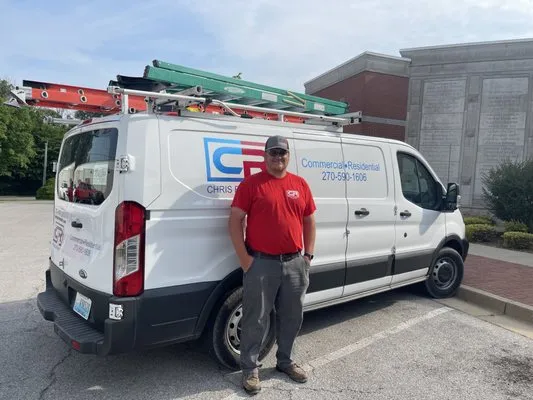
Chris Reece HVAC has been serving Glasgow and the surrounding areas with reliable heating and cooling services for over 17 years. Our approach is built on honesty and customer-first service. We don't ...
Arnolds AC and Appliance service
Arnolds AC and Appliance service is a trusted local provider in Columbia, KY, specializing in both HVAC systems and appliance repair. We help Columbia residents maintain comfortable, efficient homes b...
Artic HVAC is a locally-owned and operated HVAC contractor serving Glasgow, KY, and surrounding areas since 2020. As a full-service heating and air conditioning company, we specialize in installations...

A+ HVAC L.L.C. is a veteran-owned and operated full-service company based in Columbia, KY, dedicated to the proper installation, maintenance, and repair of heating and cooling systems. We focus on kee...
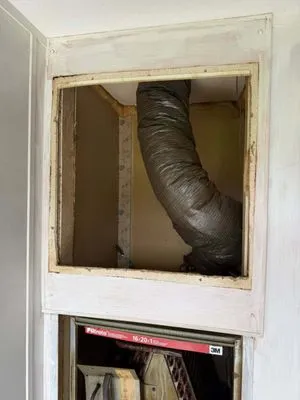
Southern Comfort Services HVAC/R LLC is a Glasgow, Kentucky, institution dedicated to delivering reliable comfort to our neighbors. Founded in 2019 and built on over two decades of field experience, w...
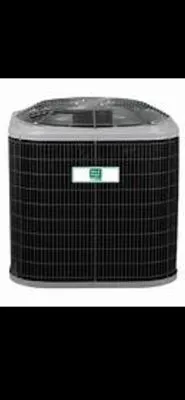
Roy's HVAC is Liberty, Kentucky's trusted local partner for all your heating and cooling needs. We understand that in our community, HVAC issues like high energy bills and air handler fan problems can...
Epperson Air Conditioning Heating Plumbing Electric
Epperson Air Conditioning, Heating, Plumbing, and Electric has been Somerset's trusted home service provider since 1971. As a family-owned business now in its third generation, we offer comprehensive ...
MCS Mechanical is a trusted heating and air conditioning company serving Russell Springs, KY, and the surrounding areas. We specialize in HVAC installation, repair, and maintenance to keep your home c...
For over 35 years, Aaron's Mechanical Services has been the trusted local choice for heating, cooling, and appliance repair in Russell Springs. Licensed as both a Kentucky Journeyman (HJ20037) and Mas...
Estimated HVAC Service Costs in Russell Springs, KY
FAQs
What permits and safety standards apply to new AC installations in Russell County?
The Russell County Building and Zoning Department requires permits for all HVAC replacements to ensure code compliance. Since 2025, A2L refrigerants like R-454B mandate specific safety measures including leak detectors, ventilation requirements, and technician certification. These standards address the mild flammability of modern refrigerants while maintaining their superior efficiency and reduced global warming potential compared to previous options.
Considering propane costs and peak electricity rates, should I switch to a heat pump in Russell Springs?
Heat pumps offer efficient heating down to 5°F, covering most Russell Springs winter conditions. With electricity at 13¢/kWh and propane prices variable, heat pumps typically provide 2-3 times more heat per dollar than propane furnaces. Programming operation outside 2-6 PM peak hours maximizes savings. The $8,000 HEEHRA rebate significantly reduces the upgrade cost for qualified homeowners.
With ozone risk and April pollen peaks, what filtration upgrade makes sense for my home?
MERV-13 filters effectively capture pollen and particulate matter that contribute to ozone formation. Your galvanized sheet metal ductwork with external wrap typically handles MERV-13 without significant static pressure increases when properly sized. We recommend measuring existing static pressure before upgrading, as some older systems may require airflow adjustments to maintain optimal performance.
If my Downtown Russell Springs AC stops cooling during a heatwave, how quickly can a technician arrive?
From Russell Springs City Park, technicians can reach most Downtown locations within 5-10 minutes via US-127. For emergency no-cool calls, we dispatch immediately with diagnostic tools and common replacement parts. This rapid response prevents extended discomfort and minimizes potential compressor damage from continued operation without proper cooling.
My Russell Springs home's AC seems to struggle more each summer. Could its age be the main factor?
Homes in Russell Springs average 46 years old, meaning many HVAC systems are approaching or exceeding their 15-20 year lifespan. Older units lose refrigerant charge efficiency and develop worn components. This age, combined with our humid climate, makes condensate drain line clogging particularly common. Moisture buildup in these lines promotes algae growth, which can back up and trigger system shutdowns.
What does the 14.3 SEER2 minimum requirement mean for my Russell Springs home's energy costs?
The 2026 SEER2 standard represents a 15% efficiency improvement over previous requirements. At Russell County's 13¢/kWh rate, upgrading from a 10 SEER unit to a 16 SEER2 system saves approximately $300 annually. The Inflation Reduction Act provides up to $8,000 in rebates through HEEHRA, making high-efficiency upgrades economically viable for most homeowners.
My Ecobee thermostat shows an E1 error code. What does this mean for my Russell Springs system?
The Ecobee E1 code indicates the thermostat isn't detecting proper equipment operation, often from power issues or communication failures. In Russell Springs' humid climate, this frequently correlates with condensate overflow switches triggering due to clogged drain lines. The error prevents system operation to avoid water damage. Checking the condensate drain and float switch typically resolves this specific alert.
Why does my AC seem inadequate when temperatures approach 95°F in Russell Springs?
HVAC systems in Russell Springs are designed for 89°F outdoor temperatures based on historical climate data. When temperatures exceed this design limit, capacity decreases by approximately 1.5% per degree. Modern R-454B refrigerant maintains better performance at higher temperatures than older refrigerants, but all systems experience reduced efficiency during extreme heat events above their design parameters.
