
Top Emergency HVAC Services in New Orleans, LA, 70112 | Compare & Call

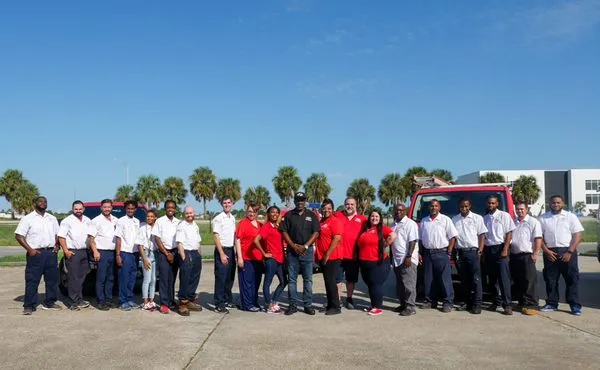
Calloway & Sons A/C & Heating
Calloway & Sons A/C & Heating has been a trusted, family-owned name in New Orleans since 2006. Founded by Philip Calloway, our company is built on a simple principle: your satisfaction is our priority...
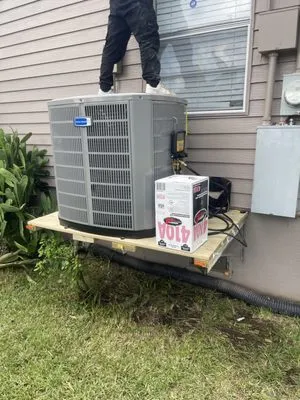
Gore's Services
Gore's Services was founded in 2021 by an electrician and HVAC specialist with over two decades of experience. Tired of the impersonal approach of large corporate service providers, the owner built a ...
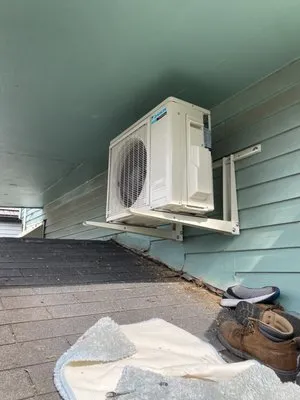
D & W Comfort Control is a trusted local HVAC company serving New Orleans, LA, and the surrounding areas. We specialize in professional installation, repair, and maintenance of heating and cooling sys...
Natal's Air Conditioning, Plumbing & Electrical
Since 1974, Natal's Air Conditioning, Plumbing & Electrical has been a trusted, family-owned name serving the Greater New Orleans area. We provide comprehensive solutions for your home's essential sys...
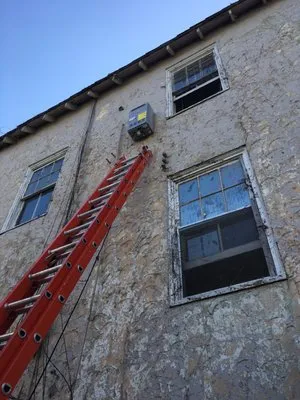
Kinfolk Troubleshooting
Founded in 2021, Kinfolk Troubleshooting brings a unique and versatile skill set to the New Orleans community. Our expertise is forged from over 15 years in international oil & gas and 3 years in manu...
Ben's AC is a trusted HVAC company serving New Orleans, LA, specializing in heating and air conditioning solutions for residential properties. We understand the unique climate challenges in our area, ...
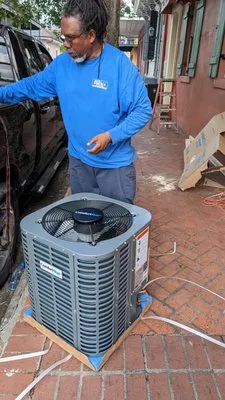
J. Marin Heating & Air Conditioning
For over 30 years, J. Marin Heating & Air Conditioning has been a trusted local fixture in the Metro New Orleans area. Founded in 1990 by Julian Marin, the business is rooted in a deep commitment to t...
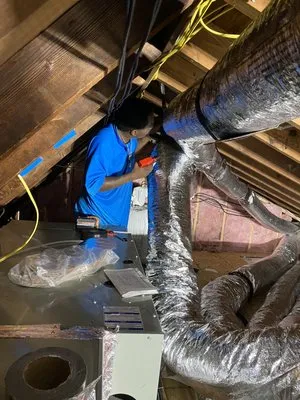
Prosper's A/C HVAC & Refrigeration was founded in New Orleans by a professional with deep local roots. A graduate of G. W. Carver Sr. High School and Southern University of New Orleans, I began my car...
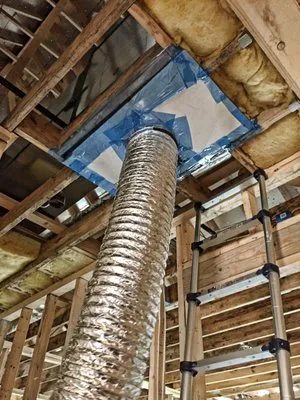
Diversified Energy
Founded by Jeff Haag, a building science expert and regular guest on Rush Radio's Purchase Like Pros, Diversified Energy began with a mission to help Louisiana homeowners and businesses lower energy b...
Premiere Air Conditioning & Heating
Premiere Air Conditioning & Heating is a licensed HVAC provider serving New Orleans, LA, specializing in heating, cooling, and ventilation services for both residential and commercial clients. We offe...
Common Questions
Why does my air conditioner struggle on the hottest days of the year?
HVAC systems in New Orleans are sized for a 93°F outdoor design temperature, but actual temperatures can exceed this. When it does, the system runs continuously to try to meet the thermostat setting, reducing its ability to dehumidify effectively. The newer R-454B refrigerant standard for 2026 offers slightly better high-temperature performance than older refrigerants, but proper sizing and airflow remain the most critical factors for comfort during peak heat.
What should I do if my AC stops cooling on a hot Uptown afternoon?
First, check your thermostat settings and circuit breakers. If the system remains off, a technician from a local provider can typically dispatch from a central location like near Audubon Park. Using I-10, they can reach most Uptown addresses within 15 to 25 minutes for an emergency diagnostic. A common swift fix is resetting a tripped float safety switch caused by a clogged condensate drain, a frequent issue in our high humidity.
Can my home's ductwork handle better air filters for pollen and ozone?
Your existing galvanized sheet metal ducts with external fiberglass wrap are generally robust and airtight, which is a good foundation. However, installing a high-MERV filter, like a MERV-13 for catching April pollen and particulate, increases static pressure. This can strain an older blower motor. A technician should measure your system's static pressure to ensure it can handle the upgraded filtration without reducing airflow or causing the coil to freeze.
What are the permit and safety requirements for a new AC installation in 2026?
All new installations requiring electrical or mechanical work in New Orleans must be permitted through the City of New Orleans Department of Safety and Permits. As of 2026, systems using A2L refrigerants like R-454B, which are mildly flammable, have strict new safety codes. These mandate specialized leak detectors, revised clearance requirements, and updated service practices. Only EPA Section 608 certified technicians with training on A2L safety can legally handle the refrigerant during installation or repair.
Should I consider switching from my natural gas furnace to a heat pump?
For our climate, a dual-fuel system using a heat pump paired with your existing gas furnace is often optimal. A modern cold-climate heat pump is efficient for heating during our mild winters, where lows rarely challenge its capacity. You can program it to use cheaper electricity during off-peak hours, avoiding Entergy's 2 PM to 7 PM peak rates. The gas furnace then provides reliable, rapid heat on the few coldest nights, ensuring comfort and system efficiency.
My Ecobee thermostat is showing an E144 alert. What does that mean?
An Ecobee E144 code specifically indicates a loss of communication with the outdoor heat pump or AC unit. In New Orleans, this is frequently caused by a tripped high-pressure switch due to a dirty condenser coil or a failing capacitor, both exacerbated by our pollen and humidity. It can also signal a refrigerant issue. This alert allows for targeted troubleshooting, preventing a complete system shutdown and enabling a faster, more informed repair.
Is it worth replacing my old AC unit with a more efficient model now?
Yes, especially with current 2026 standards and incentives. The federal minimum efficiency is now 14.3 SEER2, but modern systems easily achieve 16-18 SEER2. At Entergy's rate of $0.11 per kWh, a high-efficiency unit can significantly reduce summer bills. The active Inflation Reduction Act (HEEHRA) rebates, with an $8000 cap, can directly offset the upgrade cost, making the payback period for a quality installation in New Orleans very attractive.
Why does my old Uptown house's air conditioner seem to fail so often?
The average home in your area was built around 1961, meaning many original HVAC systems are now 65 years old. This age coincides with the end of a typical unit's functional lifespan. In New Orleans, the humid, salt-laden air accelerates the corrosion of critical components, particularly the aluminum in modern micro-channel coils. This environmental stress, combined with decades of thermal cycling, makes these older systems prone to refrigerant leaks and compressor failures.
