
Top Emergency HVAC Services in Baltimore, MD, 21201 | Compare & Call

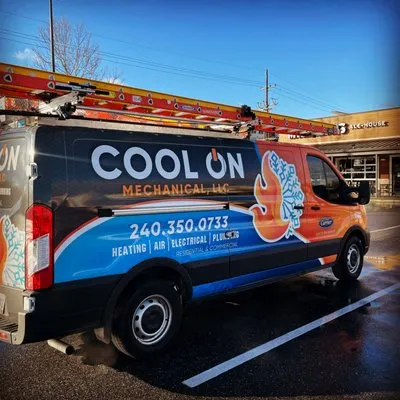
Cool On Mechanical
Cool On Mechanical is a family-owned and operated HVAC and electrical service provider serving Baltimore and the surrounding region. We specialize in residential and commercial installations, repairs,...
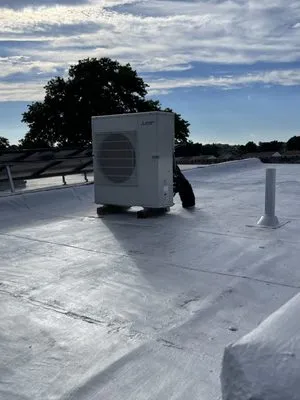
Airsource has been a trusted, master-licensed HVAC partner for Baltimore County homeowners and businesses since 2014. We specialize in providing reliable heating and air conditioning solutions, from c...
Michael founded Govans Heating & Cooling in 2010, bringing his construction management experience to Baltimore's HVAC needs. He leads with a focus on reliable service, personally guiding his team's te...
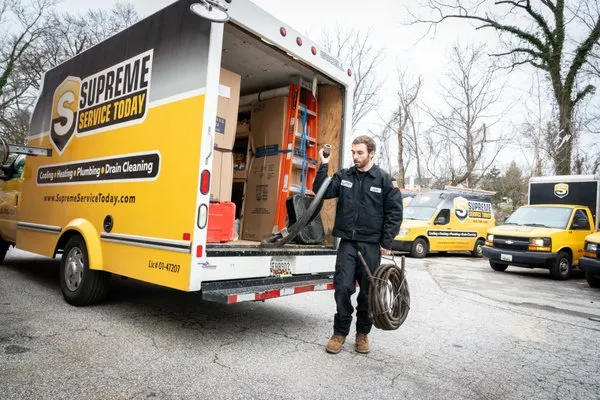
Supreme Service Today
Supreme Service Today was founded in 2005 by brothers Denny and Alex, inspired by a heartfelt promise to their late father. This family-owned Baltimore business is built on a foundation of honesty, in...
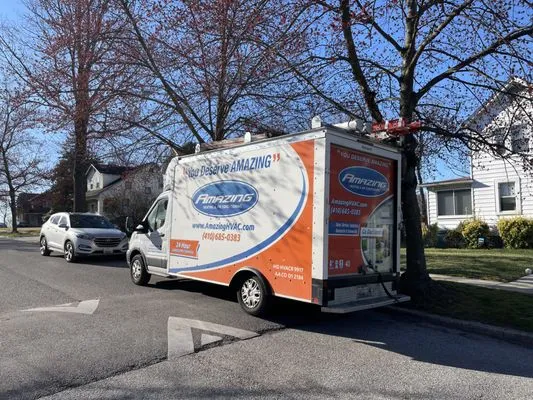
Amazing Heating & Air Conditioning
Amazing Heating & Air Conditioning, Inc. is a family-owned and operated HVAC company serving Baltimore, MD, and the surrounding area. We specialize in providing comfort solutions for both residential ...
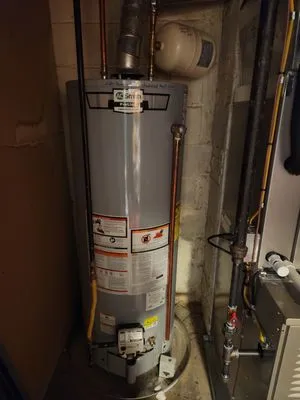
Saffer Plumbing, Heating & Electrical
Saffer Plumbing, Heating & Electrical is a trusted, fourth-generation family business serving Baltimore City, Baltimore County, Harford, Howard, and Anne Arundel counties. For decades, they've been th...
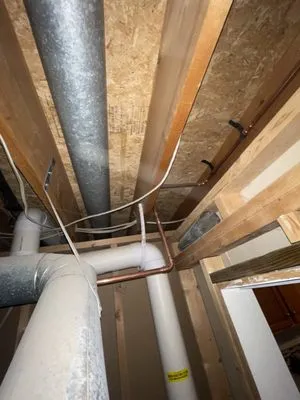
Michael & Son Services Baltimore
For over 40 years, Michael & Son Services Baltimore has been a trusted, family-owned provider of comprehensive home care solutions for the Baltimore community. We specialize in plumbing, heating & air...
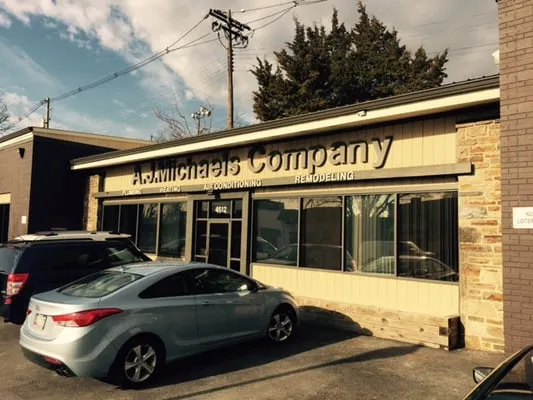
A J Michaels
Founded in 1978 by Michael Giangrandi, A J Michaels is a locally owned and operated Baltimore company built on expertise and straightforward service. Michael, who holds a Master's HVAC license and a M...

Complete Climate Services has built a near-perfect reputation in Baltimore by putting customers first. With over 600 five-star reviews and a perfect 5.0 rating on Google, they've redefined what it mea...
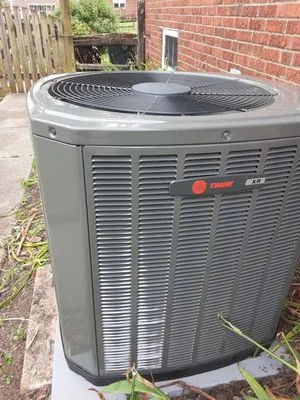
Perry Hall Heating & Air has been a trusted name in Baltimore-area comfort since 1982, founded by Peter J. Pac and Steven M. Faulkner. We started by serving our neighbors in Perry Hall and, thanks to ...
Common Questions
Is the new SEER2 rating worth the investment with current Baltimore utility rates?
The 2026 federal minimum SEER2 requirement is 14.3. Upgrading to a high-efficiency unit, like an 18 SEER2 model, can reduce cooling costs against Baltimore's $0.16 per kWh rate. The Inflation Reduction Act's HEEHRA rebates, with an $8,000 cap, can directly offset this investment, making the payback period significantly shorter for homeowners who act now.
My Ecobee thermostat is showing an E4 alert. What does this mean for my Baltimore system?
An Ecobee E4 alert signals a communication failure between the thermostat and the HVAC equipment. In Baltimore's older homes, this is frequently caused by degraded low-voltage wiring in unconditioned attics or rodent damage. It can also indicate a failing control board. This alert requires a technician to diagnose the specific fault in the 24-volt control circuit before the system can operate correctly.
Why does my 1950s Baltimore system keep clogging with water?
A unit installed in a 1950s Baltimore home is approximately 76 years old. Galvanized steel ductwork from that era often corrodes internally, shedding particles that accumulate in the drain pan. Combined with the city's humid climate and high airborne particulates, this creates a perfect environment for algae and sludge to clog the primary condensate drain line, which is the most common failure point for aging systems here.
Can my old galvanized ducts handle a high-MERV filter for Baltimore's ozone and pollen?
Baltimore's ozone risk and May pollen peak make MERV-13 filtration desirable. However, original galvanized steel ductwork often has restrictive design and internal corrosion. Installing a high-MERV filter without a static pressure test can overload the blower motor. A technician should measure static pressure to confirm the system can handle the added airflow restriction before upgrading filtration.
What are the 2026 permit and safety rules for a new AC installation in Baltimore?
All new installations in Baltimore City require a permit from the Department of Housing and Community Development. As of 2026, systems using A2L refrigerants like R-454B must comply with updated safety standards, which include mandatory leak detection sensors and specific airflow requirements in the mechanical room. These codes are enforced to ensure safe handling of the new, mildly flammable refrigerants now standard in the industry.
Should I switch from my gas furnace to a heat pump for my Baltimore row home?
With Baltimore Gas and Electric's peak hours from 2 PM to 7 PM and winter lows that rarely stay below a heat pump's effective range, a dual-fuel system is often the optimal solution. This pairs a heat pump with your existing gas furnace, using the more efficient heat pump for moderate weather and automatically switching to gas during the coldest hours or peak pricing periods.
My Mount Vernon home lost cooling on a hot day. How fast can a tech arrive?
A technician dispatched from near the Washington Monument can take I-83 directly into the Mount Vernon neighborhood. Barring major traffic incidents on the Jones Falls Expressway, this routing allows for a reliable 15 to 25 minute response window to address emergency no-cool calls, which is critical during Baltimore's high-heat days.
My system struggles when it hits 95°F. Wasn't it designed for Baltimore heat?
Baltimore's HVAC systems are engineered to a 91°F design temperature, based on historical data. Occasional peaks above that, like 95°F, exceed the design limit, reducing capacity and efficiency. Modern systems using R-454B refrigerant maintain better performance in this excess heat due to their improved thermodynamic properties compared to older R-410A units.
