
Top Emergency HVAC Services in Smithsburg, MD, 21720 | Compare & Call

A Degree Above is a trusted, full-service Heating, Air Conditioning, and Refrigeration contractor serving Smithsburg, MD. From residential homes to commercial buildings, we are equipped to handle proj...
Duct Masters is a trusted HVAC and home energy auditing company serving Smithsburg, MD, and the surrounding areas. We specialize in building energy audits and HVAC system repair to help homeowners imp...

Integrity Heating And Air Conditioning is a trusted HVAC company serving Smithsburg, MD, and the surrounding areas. With a focus on reliability and expert service, they specialize in diagnosing and re...
Hartle Heating And Air Conditioning has been a trusted HVAC partner for homeowners and businesses in Washington and Frederick Counties, Maryland, for over 25 years. As a local, family-owned company, w...
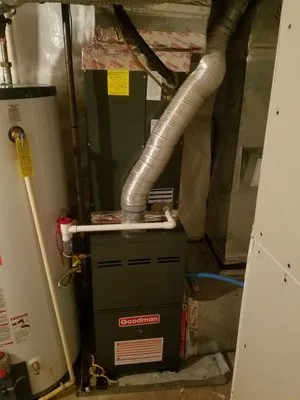
Kevin's Precision HVAC is a locally owned and operated business serving Smithsburg and the surrounding communities. Born and raised in Middletown and now a Smithsburg resident himself, owner Kevin has...
Hart Heating Air Conditioning Refrigeration Technology
Hart Heating Air Conditioning Refrigeration Technology is a trusted, locally-owned HVAC service provider in Smithsburg, MD. Serving the community, they specialize in diagnosing and resolving common lo...
Question Answers
What does an Ecobee E1 alert mean for my Smithsburg HVAC system?
An Ecobee E1 alert specifically indicates a communication failure between your thermostat and HVAC equipment. In Smithsburg's humid environment, this often results from moisture corrosion on low-voltage wiring connections or control board terminals. The problem frequently manifests during seasonal transitions when systems switch between heating and cooling modes. Check for visible corrosion at the thermostat base and air handler connections first. If the alert persists, the issue likely involves the control board or transformer, both of which are susceptible to humidity damage in our climate.
Can Smithsburg homes handle better air filters given our ozone and pollen issues?
Smithsburg's May pollen peak and ozone risk make MERV-13 filtration valuable, but your existing galvanized sheet metal ductwork with external fiberglass wrap presents challenges. These older systems typically operate at 0.8-1.0 inches of static pressure, while adding MERV-13 filters can increase that by 0.3-0.5 inches. Before upgrading, have a technician measure your system's static pressure and airflow. Many Smithsburg Village homes need duct sealing or minor modifications to handle higher filtration without reducing airflow or causing coil freeze-ups.
Should Smithsburg homeowners consider switching from gas heat to heat pumps?
With Smithsburg's winter lows around 20°F and Potomac Edison's peak hours from 14:00-19:00, modern cold-climate heat pumps work well for most homes. The key is selecting a unit with strong performance at 17°F, where the best models maintain 80% of their rated capacity. During peak rate periods, the heat pump's coefficient of performance (COP) of 3.0-4.0 typically beats gas furnace efficiency even with Maryland's moderate gas prices. The HEEHRA rebate makes this transition particularly attractive, often covering 30-50% of installation costs.
How old are most HVAC systems in Smithsburg homes?
The average Smithsburg home was built in 1993, making most central air systems around 33 years old in 2026. At this age, galvanized sheet metal ductwork with external fiberglass wrap develops micro-cracks and joint separations that allow humid air infiltration. This moisture combines with organic debris to create ideal conditions for algae growth in condensate drain lines, which is the most common failure point we see in older Smithsburg Village systems. Regular drain line maintenance becomes critical once systems pass the 25-year mark.
What should I do if my AC stops working during a Smithsburg heatwave?
First check your thermostat settings and circuit breakers, then call for emergency service if those are normal. From our location near Veterans Park, we can typically reach any Smithsburg Village home within 5-10 minutes using MD-64 for quick access. Our technicians carry common replacement parts and refrigerant recovery equipment on every truck. For true emergencies where indoor temperatures exceed 85°F with vulnerable occupants, we prioritize these calls and can often restore cooling within an hour of arrival.
What permits and safety standards apply to new HVAC installations in Smithsburg?
All Smithsburg HVAC installations require permits from the Washington County Division of Permits and Inspections, with specific 2026 requirements for R-454B and other A2L refrigerants. These mildly flammable refrigerants mandate leak detection systems, service access clearances, and proper ventilation in equipment rooms. Technicians must hold EPA Section 608 certification with the new A2L endorsement. The permit process typically takes 3-5 business days, and inspections verify refrigerant charge levels, electrical connections, and combustion safety for any remaining gas appliances.
How do Smithsburg's summer temperatures affect AC performance?
Smithsburg's design temperature of 90°F represents the outdoor condition your system should maintain 75°F indoors, but actual summer highs often reach 95-98°F. This 5-8 degree gap means properly sized systems run continuously during peak afternoon hours. The standard R-454B refrigerant performs well in these conditions with a critical temperature around 180°F, but oversizing can cause short-cycling and humidity problems. Manual J load calculations are essential here—many older Smithsburg homes have 3-ton systems when 2.5 tons would provide better dehumidification.
Are the new SEER2 requirements worth the investment for Smithsburg homeowners?
The 2026 minimum SEER2 requirement of 14.3 represents about a 15% efficiency improvement over previous standards. At Potomac Edison's current 0.14/kWh rate, a properly sized 3-ton system meeting this standard saves approximately $180-220 annually compared to a 10-year-old unit. When combined with the active HEEHRA rebate program offering up to $8,000, the payback period drops to 3-5 years for most Smithsburg installations. Higher SEER2 systems also maintain better performance during Maryland's humid summers.
