
Top Emergency HVAC Services in Sanford, ME, 03906 | Compare & Call

There are 122 hvac companies server in Sanford ME
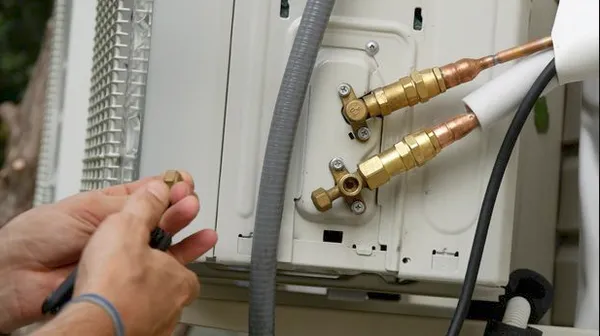
Zion Mechanical is a Windham-based HVAC company founded by a Maine native with over 20 years of industry experience. After graduating from Universal Technical Institute with honors, the owner's passio...
The Furnace Guy
The Furnace Guy is your trusted, local HVAC and water heater specialist in Kennebunk, ME. We understand the specific challenges Kennebunk homeowners face, from the chilly drafts caused by air duct lea...
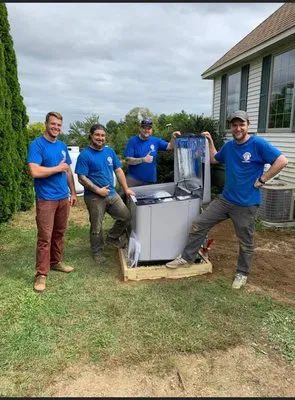
LaPlante Electric
Founded in 1974 by Mike LaPlante, LaPlante Electric began with a single pickup truck and a simple principle: treat every customer like family. That neighborly commitment has powered the company's grow...
Downeast Electrical Services
Downeast Electrical Services is a trusted electrical and HVAC provider serving Biddeford and Southern Maine. Founded by merging experienced independent electricians, our team brings over 40 years of c...
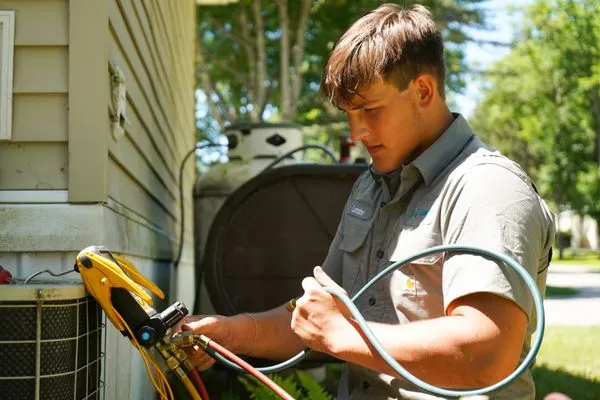
Gammon’s Heating & Cooling
Gammon’s Heating & Cooling is a family-owned and operated HVAC company serving Saco and the surrounding Maine communities for over 22 years. Rooted in local expertise, the company provides dependable ...
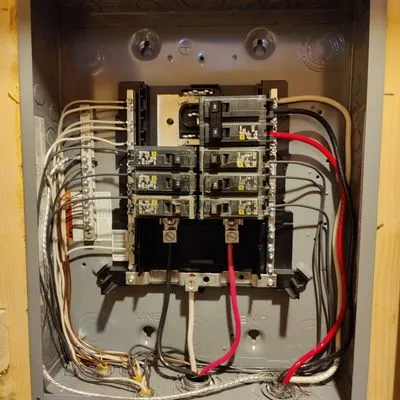
TJ Electric
TJ Electric in Greene, ME, is a veteran and family-owned electrical and HVAC contracting business built on over 50 years of combined experience. As a two-man partnership, we bring a hands-on, dedicate...
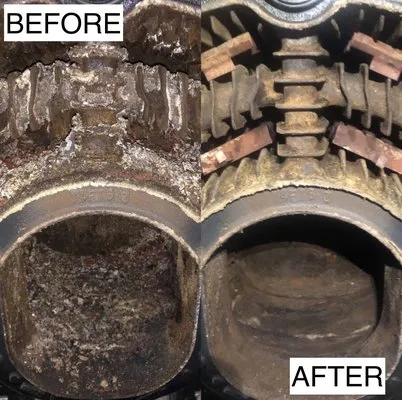
Coastal HVAC is a locally-owned mechanical contractor serving the Midcoast and Southern Maine area, including Portland. As a Maine native who understands the demands of our coastal climate, the compan...
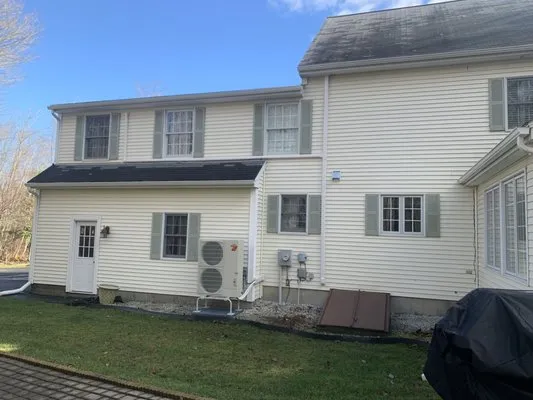
ASK Mechanical
ASK Mechanical was founded in Scarborough, Maine, in 2012 by a contractor with a deep, multi-faceted background in the trades. The owner holds an Associate's Degree in HVAC/R from Eastern Maine Commun...
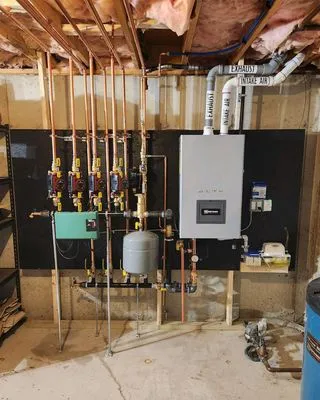
Heritage Home Service
Heritage Home Service is a trusted family-owned and operated provider of HVAC, plumbing, and electrical services for Portland, South Portland, and surrounding Southern Maine communities. Founded in 19...
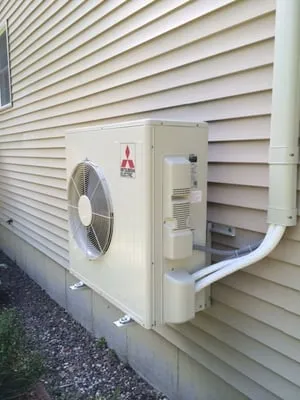
Maine Heating And Cooling is a trusted, locally-owned HVAC company serving Windham and Southern Maine since 2015. Founded and operated by Josh, who holds a degree in HVAC and full state licensing for ...
Estimated HVAC Service Costs in Sanford, ME
Questions and Answers
Is the new 14.3 SEER2 standard worth the upgrade cost with current electric rates?
Absolutely. While the 14.3 SEER2 minimum is a federal mandate for 2026, modern systems often reach 18 SEER2 or higher. At Sanford's rate of $0.22 per kWh, the efficiency gain significantly reduces summer cooling costs. The Inflation Reduction Act's HEEHRA rebates, with an $8,000 cap, can directly offset the upgrade cost, making the payback period for a high-SEER2 unit in Maine surprisingly short.
Why do so many older Sanford homes have frozen condensate lines in the spring?
The average Sanford home was built in 1972, meaning many HVAC units are over 20 years old. Older systems develop refrigerant leaks and airflow restrictions, which cause the evaporator coil to drop below freezing. In our moderately humid climate, this instantly freezes the moisture on the coil and blocks the condensate drain. This age-related failure is a primary reason for water damage and system shutdowns during seasonal transitions.
My heat went out in Downtown Sanford—can you get here before evening?
Yes. Our service vehicle stationed near the Sanford Memorial Gymnasium can access Downtown Sanford via US Route 202 in under 10 minutes. For a no-heat emergency with oil systems common here, we prioritize dispatch to diagnose issues like a faulty ignition control or oil pump before the evening temperature drop, ensuring a rapid restoration of heat.
Can my old metal ducts handle a better filter for wood smoke and pollen?
Your existing galvanized sheet metal ductwork has a robust structure, but its design dictates the answer. Installing a high-MERV filter for May pollen peaks and wood smoke particulates increases static pressure. We must perform a static pressure test first; many older systems cannot move enough air through a MERV-13 filter without causing the coil to freeze or the blower to fail, which would degrade both air quality and performance.
Should I switch from oil to a heat pump with Sanford's cold winters?
A dual-fuel or cold-climate heat pump is a strategic move. While heating oil provides reliable heat during extreme cold, a modern heat pump is highly efficient for temperatures down to about 5°F, covering most of our winter. To maximize savings, use the heat pump as the primary heat source and program it to reduce operation during utility peak hours (5-8 PM) when electricity costs are highest, letting the oil system provide brief supplemental heat if needed.
What are the permit and safety rules for a new R-454B system installation?
All installations of equipment using R-454B, an A2L mildly flammable refrigerant, must comply with 2026 safety standards (UL 60335-2-40). This requires a permit from the Sanford Code Enforcement Office. The code mandates specific leak detection systems, revised clearance distances, and special technician certifications. These permits ensure the installation is documented and inspected for safety, which is a critical step for both insurance and system longevity.
My Ecobee thermostat is showing an E4 alert—what's urgent for Sanford?
An Ecobee E4 code signals a loss of communication with your heat pump's outdoor unit. In Sanford, this often points to a tripped high-pressure switch from a dirty condenser coil during pollen season or a refrigerant issue. It can also indicate a failed control board. This alert requires immediate attention to prevent a compressor lockout, which would leave you without cooling or heat pump heating.
How well does a new air conditioner handle our occasional 90°F days?
Properly sized equipment is crucial. Sanford systems are designed for a 85°F outdoor temperature. On hotter days, capacity drops, but a correctly sized unit based on a Manual J load calc will maintain comfort. Modern units using R-454B refrigerant maintain better efficiency and capacity at higher temperatures than older R-410A systems, providing more resilient cooling during our less frequent heat spikes.
