
Top Emergency HVAC Services in Forest Hills, MI, 49301 | Compare & Call

There are 199 hvac companies server in Forest Hills MI
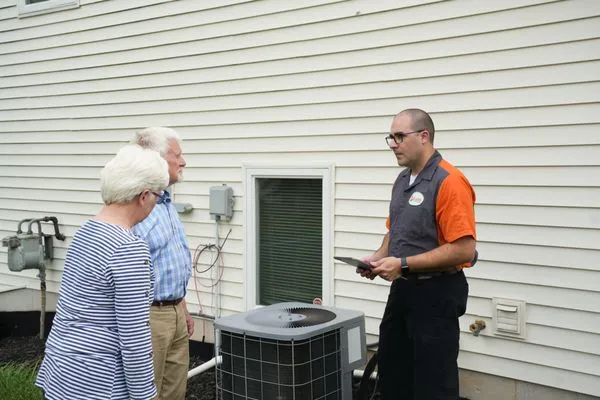
Grapids Home Services
Founded in Grand Rapids by Nathan Engelsma, Grapids Home Services brings over two decades of local HVAC expertise to every home comfort and plumbing challenge. We've grown from a dedicated heating and...
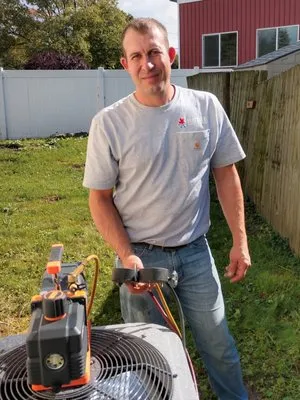
Ridge Heating & Cooling is a Grand Rapids-based HVAC company built on over 20 years of technical expertise and a commitment to honest, reliable service. Founder and owner, a graduate of Ferris State U...
Two Cool Guys is your trusted local HVAC and water heater expert in Rockford, MI. We specialize in heating and air conditioning installation, repair, and maintenance, along with water heater services....
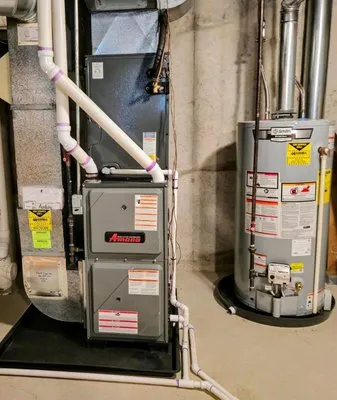
Since 1981, Haisma Heating & Cooling has been the trusted name for reliable climate control in Comstock Park and across West Michigan. As a family-owned and operated business, we focus on delivering p...

Jacobson Heating & Cooling
Jacobson Heating & Cooling has been a trusted HVAC provider in Grand Rapids, MI, since 1932. As a licensed company, they specialize in installation and repair services for residential and light commer...
Moore Mechanical
Moore Mechanical is your Grand Rapids neighbor for reliable heating, cooling, and plumbing. Since 1996, we've built our reputation on installing and maintaining the systems that keep Michigan homes an...
Vredevoogd Heating & Cooling
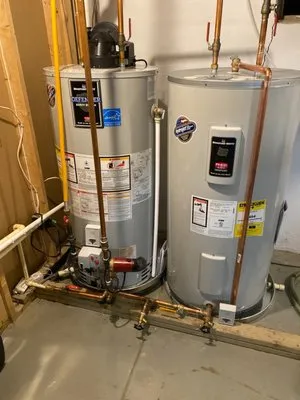
Vredevoogd Heating & Cooling is a trusted, family-run business deeply rooted in the Grandville and Greater Grand Rapids community. Founded by Dennis Vredevoogd in 1964, the company is now owned and op...
Penning Plumbing, Heating, Cooling & Electric
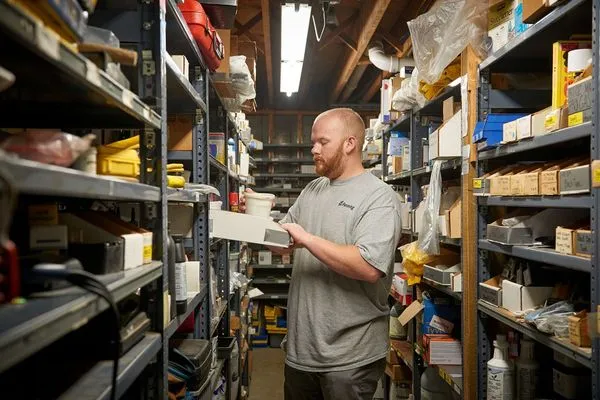
Penning Plumbing, Heating, Cooling & Electric is a third-generation family-owned business serving Grand Rapids, Kentwood, Wyoming, and West Michigan since 1917. With over a century of experience, they...
R&R Heating and Cooling
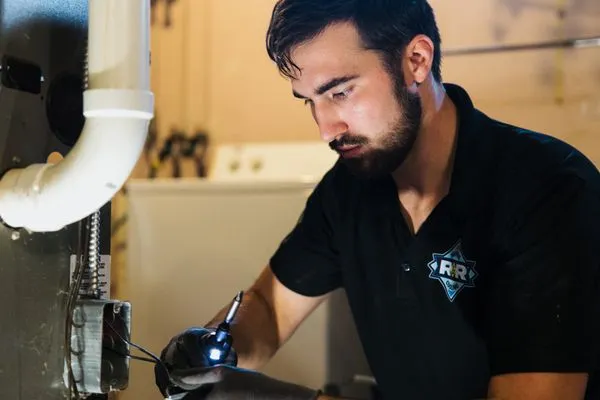
Founded in 2005 by Rolando Ramos and officially established in 2008, R&R Heating and Cooling is a family-owned HVAC company that has grown from a humble shed operation into a trusted provider for home...

Service Professor
Service Professor has been providing reliable electrical, plumbing, heating, and air conditioning services to West Michigan homes since 1978. Based in Grand Rapids, our team of over 20 professional te...
Estimated HVAC Service Costs in Forest Hills, MI
Frequently Asked Questions
Why does our AC struggle on the hottest few days of summer?
Michigan's design temperature for cooling equipment is 88°F, but summer highs can exceed that for short periods. When outdoor temperatures climb above the design limit, the system's capacity drops and it must run continuously to maintain temperature. Modern systems using the new R-454B refrigerant maintain better efficiency and capacity at these higher temperatures compared to older R-410A units, reducing the comfort gap on peak heat days.
What should we know about permits and the new refrigerant for a new install?
All HVAC replacements in Forest Hills require a permit from the Forest Hills Building and Inspections Department. Since 2025, most new systems use A2L refrigerants like R-454B, which are mildly flammable. This mandates compliance with updated safety standards, including leak detection, special ventilation in mechanical rooms, and specific labeling. Your contractor must pull the permit and ensure the installation meets these 2026 codes for safety and insurability.
Our AC seems fine but the furnace is noisy. How old is our system?
In Forest Hills, the average home was built in 1988, making many original systems 38 years old this year. A unit this age is well beyond its expected service life. The most common failure points we see in systems of this vintage are blower motor burnout and condensate line freezing, often due to accumulated wear, outdated components, and lack of modern safety controls. Proactive replacement is more cost-effective than repeated repairs on a unit this old.
We have gas heat. Is it worth considering a heat pump?
For Forest Hills homes, a dual-fuel system pairing a heat pump with your existing gas furnace is often optimal. The heat pump handles efficient heating during milder fall and spring weather and all summer cooling. During winter lows or the utility peak hours from 2 PM to 7 PM, the system can automatically switch to gas heat, avoiding expensive electric resistance heating. This strategy maximizes comfort and minimizes annual energy costs.
Can our older home handle better air filters for allergies?
Given the ozone risk and May pollen peak in our humid continental climate, high-efficiency filtration is valuable. Your home likely has galvanized steel ductwork, which is robust but may not be sized for high-static-pressure filters. Installing a MERV-13 filter without a static pressure check can severely restrict airflow and damage the blower motor. A technician should measure static pressure and may recommend a media cabinet or a standalone air purifier to safely improve indoor air quality.
Our AC just stopped on a hot day. How fast can a technician get to us?
A no-cool emergency in your neighborhood can be resolved quickly. Our service vehicles are typically staged near the I-196 corridor, providing direct access to Forest Hills. From a dispatch point like the Forest Hills Fine Arts Center, we maintain a consistent 15 to 25 minute response window. We prioritize these calls to restore comfort and prevent further strain on the system.
Our Ecobee thermostat is showing an 'E4' alert. What does that mean?
An Ecobee E4 alert specifically indicates a loss of communication with your outdoor AC or heat pump unit. In Forest Hills, this often points to a tripped high-pressure switch, a failed control board, or a refrigerant issue preventing the compressor from starting. It is a diagnostic signal that prevents the system from operating to avoid further damage. This requires a technician to check refrigerant charge, electrical connections, and system controls.
Will a new system really save money with today's electricity prices?
Current utility rates in the area are $0.18 per kWh, making efficiency critical. The federal minimum SEER2 rating for 2026 is 13.4, but modern systems can achieve 18 SEER2 or higher. The active Inflation Reduction Act rebates, with an $8,000 cap, can significantly offset the cost of a high-efficiency unit. The combination of lower operating costs and an upfront rebate provides a strong return on investment.
