
Top Emergency HVAC Services in Lowell, MI, 49331 | Compare & Call

There are 42 hvac companies server in Lowell MI
Ridge Heating & Cooling is a Grand Rapids-based HVAC company built on over 20 years of technical expertise and a commitment to honest, reliable service. Founder and owner, a graduate of Ferris State U...
Two Cool Guys is your trusted local HVAC and water heater expert in Rockford, MI. We specialize in heating and air conditioning installation, repair, and maintenance, along with water heater services....
Moore Mechanical
Moore Mechanical is your Grand Rapids neighbor for reliable heating, cooling, and plumbing. Since 1996, we've built our reputation on installing and maintaining the systems that keep Michigan homes an...
Vredevoogd Heating & Cooling
Vredevoogd Heating & Cooling is a trusted, family-run business deeply rooted in the Grandville and Greater Grand Rapids community. Founded by Dennis Vredevoogd in 1964, the company is now owned and op...
R&R Heating and Cooling
Founded in 2005 by Rolando Ramos and officially established in 2008, R&R Heating and Cooling is a family-owned HVAC company that has grown from a humble shed operation into a trusted provider for home...
Service Professor
Service Professor has been providing reliable electrical, plumbing, heating, and air conditioning services to West Michigan homes since 1978. Based in Grand Rapids, our team of over 20 professional te...
Godwin Plumbing & Hardware
For nearly 70 years, Godwin Plumbing & Hardware has been a trusted resource for West Michigan homes and businesses. Founded in 1955, the current ownership team brings over 90 combined years of experie...
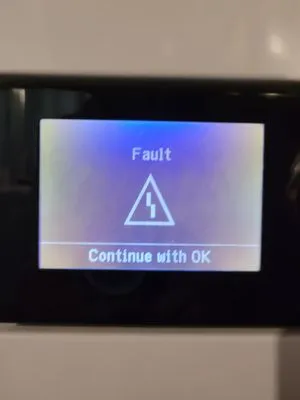
Vander Hyde Services
Vander Hyde Services is a Grand Rapids home service provider you can rely on, owned and operated locally for over 25 years. We bring prompt, professional installation and repair to plumbing, heating, ...
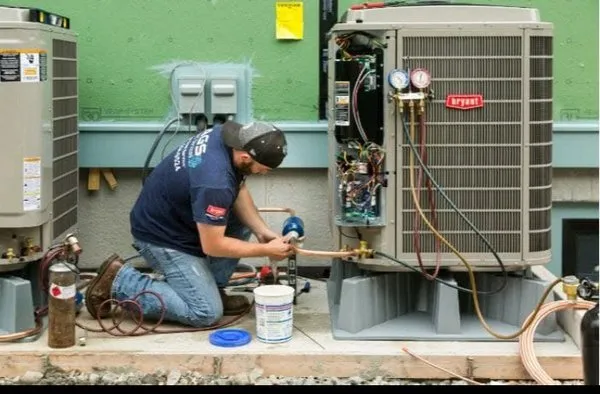
Reichert's Heating and Cooling is a trusted HVAC company serving Grand Rapids homeowners and businesses. We specialize in installation, repair, and maintenance for all heating and cooling systems. Liv...
Russell Plumbing & Heating
Russell Plumbing & Heating is a trusted, locally-owned plumbing and HVAC company serving Greenville, MI, and the surrounding communities since 2003. Founded by Terry Russell, Jeff Jensen, and Pat Jack...
Estimated HVAC Service Costs in Lowell, MI
Q&A
What should I know about permits and safety for a new AC installation in 2026?
All HVAC replacements in Lowell require a permit from the City of Lowell Building Department. Since January 2023, new systems must use lower-GWP A2L refrigerants like R-454B, which are mildly flammable. This mandates updated safety standards: technicians need special certification, systems require leak detectors and updated markings, and the work must be documented for the permit. This ensures safe, code-compliant installation.
Our AC just quit on a hot day in Downtown Lowell. What's the fastest way to get help?
For a no-cool emergency, call a local contractor. A technician based near Stony Lakeside Park can take M-21 directly into the historic district, typically arriving within 5-10 minutes. They will first check for simple resets and the condensate safety switch, which is a common trip point in older Lowell homes. A quick response prevents further strain on the compressor.
Does the new 13.4 SEER2 minimum for 2026 make a real difference in Lowell?
The 13.4 SEER2 minimum is a baseline. Given Lowell's average electric rate of $0.18 per kWh, upgrading to a high-efficiency 18+ SEER2 unit can cut cooling costs by over 30%. The federal Inflation Reduction Act rebates, with caps up to $8,000, can offset much of the premium for these efficient models. Combined with Consumers Energy rebates of $200-$500, the payback period becomes very attractive.
My Ecobee thermostat is showing an 'E1' alert. What does that mean here?
An Ecobee E1 alert indicates the thermostat is not detecting a call for cooling or heating from your HVAC equipment. In a Lowell home with a 60-year-old system, this often points to a failed control board, a tripped safety limit on the furnace, or a condensate pump float switch that has shut the system down. It's a signal that the system has locked out and requires professional diagnosis to prevent further component damage.
Is switching from my natural gas furnace to a heat pump practical for Lowell winters?
Modern cold-climate heat pumps are effective for Lowell's winter lows, especially when paired with a properly sized gas furnace as a dual-fuel system. This setup uses the heat pump during milder weather and Consumers Energy's peak hours (2-7 PM), then automatically switches to gas for extreme cold. This maximizes the IRA rebates for the heat pump while minimizing operating costs, leveraging the strengths of both fuels.
Can my old metal ducts handle a better air filter for spring pollen and ozone?
Galvanized steel ductwork from the 1960s often has leaks at the joints. While the duct material itself is robust, these leaks and the typical system design create high static pressure. Installing a MERV-13 filter for Lowell's May pollen peak and summer ozone risk can restrict airflow too much. A professional should first perform a static pressure test and seal duct leaks before upgrading filtration beyond MERV-8.
How well do the new AC systems handle our occasional 90-degree days?
Lowell's design temperature for AC is 88°F, but summer highs can exceed this. Modern systems using R-454B refrigerant are engineered to maintain capacity and efficiency better than older R-410A units in these peak conditions. The key is proper sizing via a Manual J load calculation; an oversized unit will short-cycle and fail to dehumidify, while an undersized one will struggle on the hottest days near Stony Lakeside Park.
My Lowell furnace is original to the 1960s house. How much longer can it last?
A unit from 1966 is 60 years old. In Lowell's humid climate, the original galvanized steel ductwork and heat exchanger are far beyond a typical 15-20 year service life. This age makes the system highly prone to failures like condensate drain freeze-ups, as original components corrode and lose efficiency. Continuing to operate it risks safety hazards from cracked heat exchangers and significantly higher energy bills.
