
Top Emergency HVAC Services in Ovid, MI, 49036 | Compare & Call

There are 33 hvac companies server in Ovid MI
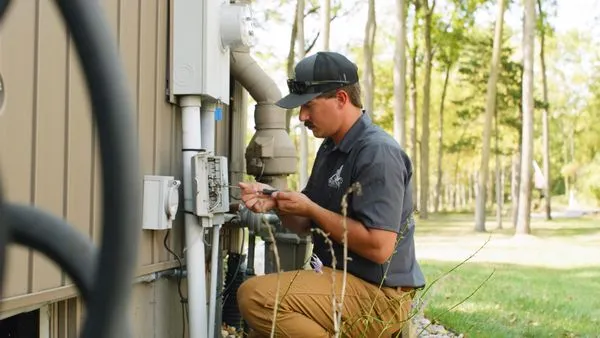
Whitney Services
Founded on a bedrock of integrity, honesty, and professionalism, Whitney Services has been the trusted, licensed, and insured solution for Lansing's plumbing, electrical, and HVAC needs. Our family-ow...
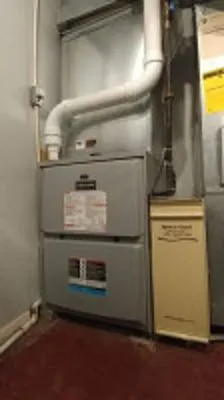
Professional Heating
Professional Heating in Ionia, MI is built on a foundation of over 25 years of hands-on experience and technical expertise. Owner Andrae brings a deep understanding of residential, commercial, and ind...

Majestic Plumbing & Heating, LLC
Majestic Plumbing & Heating, LLC is a family-owned and operated business serving Caro and southeastern Michigan since 1985. Founded by husband and wife team Rick and Debra Lipan, the company brings a ...

SGI Heating and Cooling
SGI Heating and Cooling is a Flint-based HVAC and generator service provider, established in 2014 by owner Scott Gormley. With deep roots in Michigan, Scott brings over four decades of experience to t...
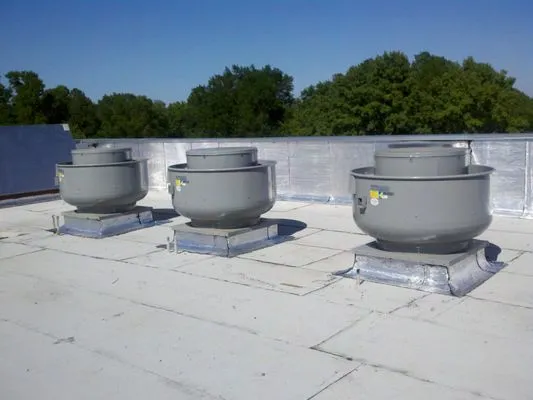
Belle Refrigeration is a locally owned and licensed HVAC and refrigeration service provider in Grand Blanc, MI. We offer comprehensive service for residential, commercial, and industrial clients, hand...

Since 1941, Hager Fox Heating & Air Conditioning has been the trusted name for comfort in Lansing and the surrounding communities. As a family-owned business, we understand the importance of reliable ...
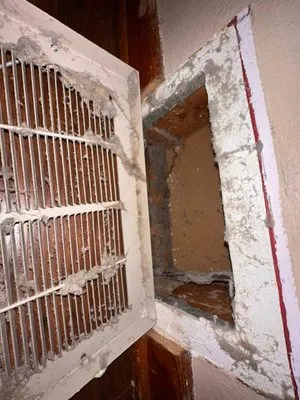
Maven Air Care
Maven Air Care is a trusted Lansing HVAC and air quality specialist, dedicated to improving the health and efficiency of your home's systems. We understand the common local challenges homeowners face,...
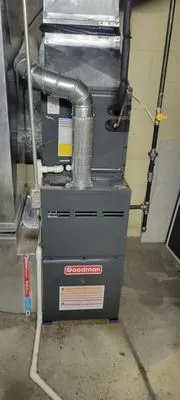
Controlled Comfort Heating and Cooling
Controlled Comfort Heating and Cooling is a family-operated HVAC business serving Lansing, MI, with over 12 years of hands-on experience. Founded by a licensed technician who began his education in 19...
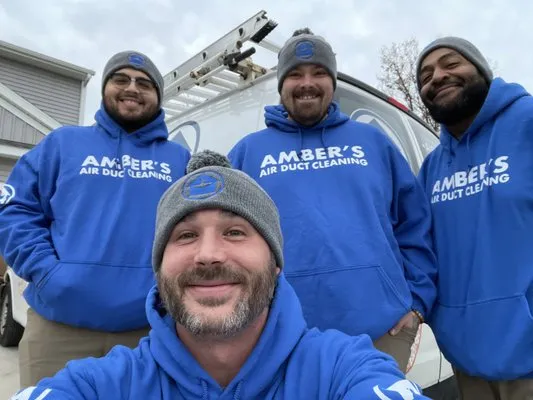
Amber's Air Duct Cleaning
Amber's Air Duct Cleaning is a family-owned Lansing business, operated by Amber and Aaron Lee. As lifelong residents raising their five kids and pets here, they understand firsthand the importance of ...
Tyler Heating & Cooling is a trusted, locally-owned HVAC provider serving Laingsburg and the surrounding communities. As a licensed and insured contractor, they specialize in comprehensive heating and...
Estimated HVAC Service Costs in Ovid, MI
Q&A
What are the permit and safety requirements for a new A/C installation now?
All installations in Clinton County require a permit from the Clinton County Building Department. As of 2026, new systems using A2L refrigerants like R-454B must comply with updated safety standards, which mandate leak detectors, revised electrical codes for service disconnect locations, and specific labeling. These codes ensure the safe handling of mildly flammable refrigerants in your home, and a proper permit inspection verifies compliance.
Is it worth replacing my old unit just to meet the new SEER2 rules?
The 2026 federal minimum is 13.4 SEER2, but modern systems easily exceed 16 SEER2. At Ovid's average rate of $0.18 per kWh, upgrading from a 10 SEER unit to a 16 SEER2 model can cut cooling costs by over 30%. The active Inflation Reduction Act rebates, with caps up to $8,000, substantially offset the initial investment, making the payback period for many homeowners quite short.
My Ecobee thermostat is showing an E1 error code. What does this mean?
An Ecobee E1 code indicates the thermostat cannot detect equipment running after issuing a call for heating or cooling. In Ovid, this often points to a failed control board, a blown low-voltage fuse, or a safety switch trip on a furnace or air handler. It's a specific signal that the thermostat is functioning, but the command is not reaching the HVAC equipment, requiring professional diagnosis of the wiring and controls.
I use natural gas heat. Should I consider switching to a heat pump?
For Ovid's cold winters, a dual-fuel system pairing a heat pump with your existing gas furnace is often optimal. The heat pump handles heating efficiently during milder fall and spring days and all summer cooling, while the gas furnace provides reliable heat during extreme cold below 20°F. This strategy leverages the heat pump during off-peak hours, avoiding the 14:00 to 19:00 peak electricity rates from Consumers Energy.
Can my home's duct system handle a high-efficiency air filter for pollen and dust?
Galvanized steel ductwork, common in Ovid, is physically robust but often undersized for modern airflow requirements. Installing a MERV-13 filter for May pollen peaks and particulate matter can create excessive static pressure, reducing airflow and causing the system to freeze or overheat. A technician must measure your system's static pressure and may need to modify return air ducts to accommodate better filtration safely.
Our air conditioner stopped working during the afternoon heat. How fast can you get here?
For a no-cool emergency in Central Ovid, our typical response is 5-10 minutes. We route from our shop near Gail N. Stockman Veterans Memorial Park directly via M-21, avoiding any potential congestion on secondary roads. This allows a technician to be on-site quickly to diagnose common failures like a tripped breaker or a failed capacitor before the indoor temperature rises significantly.
Why does my air conditioner struggle on the hottest days of the year?
HVAC systems in Ovid are designed for a 88°F outdoor temperature. When actual temperatures exceed this design limit, the system cannot maintain the typical 20-degree delta T, and indoor humidity will rise. Modern units using R-454B refrigerant maintain better efficiency and capacity at these higher temperatures compared to older R-410A systems, but all equipment has a performance ceiling during extreme heat.
My system seems to have a frozen line every spring. Is this common for Ovid homes?
Yes, this is a frequent issue for systems installed during the original build dates here. A unit in a 1956 home is now 70 years old, and the galvanized steel ductwork from that era often allows warm, humid attic air to infiltrate the cold refrigerant lines. This causes condensation to freeze, typically at the condensate line. The constant thermal cycling over decades also fatigues the insulation, accelerating the problem.
