
Top Emergency HVAC Services in Wilson, MI, 49707 | Compare & Call

There are 40 hvac companies server in Wilson MI
Swick Home Services
Swick Home Services has been a trusted local name in Marquette and the surrounding Upper Peninsula since 1977. As a family-owned and operated business, they've grown from core plumbing and HVAC servic...
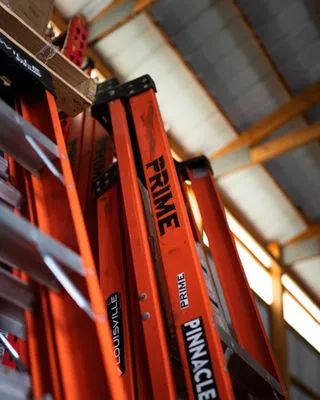
Prime Specialty Contracting
Prime Specialty Contracting is your trusted local partner for all mechanical needs in Michigan's Upper Peninsula. As a full-service mechanical contractor based in Marquette, we bring together expertis...
As a family-run business in Skandia, 906 Heating & Cooling brings over years of experience as a Certified HVACR Lead Service Tech, Safety Leader, and Project Manager to every job. Founded with the goa...

Wetton Mechanical is your trusted local HVAC expert serving Negaunee and the surrounding Upper Peninsula. We specialize in diagnosing and repairing common regional issues like radiator heating imbalan...
J&H Enterprises
J&H Enterprises is your trusted Skandia neighbor for keeping your home comfortable year-round. We specialize in appliance repair, heating & air conditioning/HVAC services, and reliable snow removal. L...
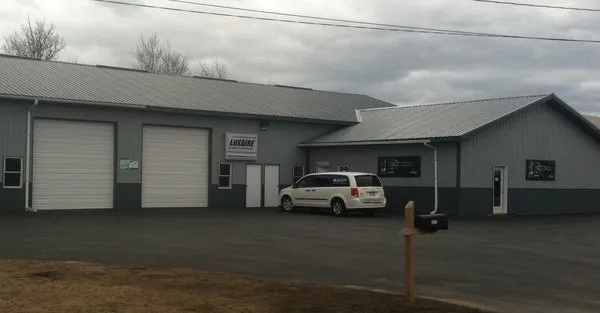
Midwest Refrigeration Supply in Escanaba, MI is a fourth-generation family-owned HVAC/R supply house founded in 1945. Specializing in commercial refrigeration and heating solutions, we primarily serve...
Bugay Heating & Cooling
Bugay Heating & Cooling is a trusted, family-owned HVAC service provider based in Escanaba, Michigan. For over 20 years, our licensed and insured technicians have specialized in keeping homes and busi...
Don's Hvac
Don's HVAC is a trusted, family-run business owned by Dave and Danielle Artley, proudly serving Wells and all of Delta County since 1985. With over 30 years of local experience, they specialize in rel...
DeHooghe & Viau Plumbing & Heating
DeHooghe & Viau Plumbing & Heating has been serving Gladstone and the surrounding area as a trusted local resource for comprehensive home and business systems. Our team of licensed professionals speci...
Eichhorn G & Sons is a trusted, family-owned plumbing, heating, and air conditioning company serving Powers and the surrounding areas. We understand the local climate and the common HVAC challenges ho...
Estimated HVAC Service Costs in Wilson, MI
Q&A
Should I switch from propane to a heat pump in Wilson?
Wilson's climate supports heat pump operation for most heating needs, with modern cold-climate models effective down to -15°F. The 14:00-19:00 utility peak hours align with typical heating demand, making time-of-use rate management important. Propane heating costs often exceed heat pump operating expenses at Wilson's electricity rates, especially with the $8,000 IRA rebate available for qualified heat pump installations.
How does Wilson's summer heat affect AC performance?
Wilson's design temperature of 85°F represents the peak condition systems are engineered to handle. When actual temperatures exceed this threshold, systems must work harder, reducing efficiency and capacity. The standard R-454B refrigerant maintains stable performance up to approximately 115°F ambient temperature, but sustained operation above design conditions increases wear on compressors and electrical components in Wilson's humid continental climate.
What if my AC stops working during a Wilson heatwave?
For a no-cool emergency in Wilson Downtown, technicians can dispatch from near Wilson Township Hall with direct access to US-2. This routing allows 8-12 minute response times to most neighborhoods. First, check your thermostat settings and circuit breakers, then clear any visible debris from the outdoor unit. If the system remains off, a technician can typically diagnose common issues like capacitor failure or refrigerant loss within the first hour on-site.
Can my Wilson home handle better air filtration?
Wilson's particulate matter risk and May pollen peak make MERV-13 filtration valuable for indoor air quality. Most galvanized steel ductwork in Wilson homes can accommodate MERV-13 filters without static pressure issues when the system is properly balanced. However, older systems may require airflow adjustments or filter cabinet modifications to prevent reduced cooling capacity or frozen coils from restricted airflow.
What does an Ecobee E1 alert mean for my Wilson system?
An Ecobee E1 alert indicates communication loss between the thermostat and HVAC equipment. In Wilson homes, this often results from power surges affecting control boards, loose wiring connections in humid conditions, or failing transformers in older systems. The alert helps prevent complete system failure by signaling issues before they escalate, allowing technicians to address electrical problems before they damage more expensive components.
Are new efficiency standards worth the investment in 2026?
The 2026 SEER2 minimum of 13.4 represents a 15% efficiency gain over previous standards. At Wilson's 0.18/kWh electricity rate, a properly sized 2.5-ton system meeting this standard can save approximately $180 annually compared to older units. The Inflation Reduction Act's $8,000 rebate cap significantly offsets upgrade costs, making high-efficiency systems economically viable when combined with Efficiency United's $300 local rebate.
How old is my HVAC system likely to be in Wilson?
The average Wilson home was built in 1983, making most original HVAC systems around 43 years old. This age exceeds the typical 15-20 year lifespan of residential equipment. Older systems in Wilson are particularly prone to frozen evaporator coils due to refrigerant leaks from worn seals, reduced airflow from dirty components, and inefficient operation in humid conditions. These issues often require more frequent repairs as components reach end-of-life.
What permits are needed for new HVAC installations?
All Wilson HVAC installations require permits from the Delta County Building and Zoning Department. The 2026 A2L safety standards mandate specific requirements for R-454B refrigerant systems, including leak detection, ventilation calculations, and proper labeling. These mildly flammable refrigerants require certified technicians with EPA Section 608 certification and adherence to manufacturer installation guidelines for safe operation in residential applications.
