
Top Emergency HVAC Services in Apple Valley, MN, 55068 | Compare & Call


Apple-Lake Heating & Air Conditioning Inc
Apple-Lake Heating & Air Conditioning Inc is a trusted HVAC company serving Apple Valley, MN, and the surrounding areas. We specialize in HVAC system repair, helping homeowners and businesses maintain...
Lofgren Heating & Air Conditioning
Lofgren Heating & Air Conditioning has been a trusted HVAC provider in Apple Valley, MN, since 1997. Starting with just one employee and one truck, the company has grown to a team of 11 professionals ...
Air Knights Heating & Cooling
Since 2007, Air Knights Heating & Cooling has been a trusted, full-service HVAC provider for Apple Valley and the broader Twin Cities area. Our success is built on a simple, steadfast commitment: ensu...
Air Rite Mechanical Systems
Air Rite Mechanical Systems is a trusted, family-owned HVAC company serving Apple Valley and the Twin Cities metro. Founded by father-son partners Brian and Dan Kuhn, they bring over 45 years of combi...
Indoor Air Tech has been serving Apple Valley's heating and cooling needs since 1992, bringing over three decades of hands-on experience to every job. Our technician has worked in all aspects of resid...
AlJohns HVAC Services is a trusted heating and air conditioning company serving Apple Valley, MN homeowners with reliable solutions for common local HVAC problems. We specialize in addressing improper...
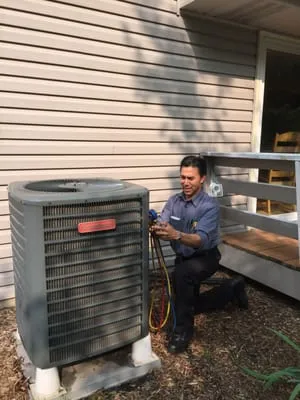
Umberto's HVAC has been a trusted local resource for Apple Valley homeowners since 2009. With over 14 years of experience, Umberto built his business by helping friends and family with their HVAC need...
Bonfe's Plumbing Heat & Air is your trusted local expert in Apple Valley, MN, specializing in both plumbing and HVAC services. We understand the common challenges homeowners face, like blower motor fa...
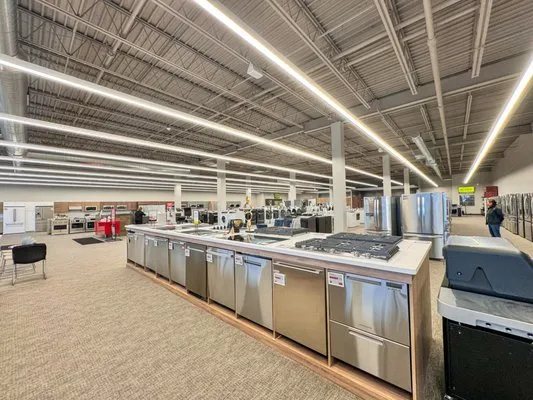
Warners' Stellian Appliance
Warners' Stellian Appliance in Apple Valley, MN, is a trusted local provider of home comfort and appliance solutions, serving the community with expertise in HVAC, water heaters, and major appliances....
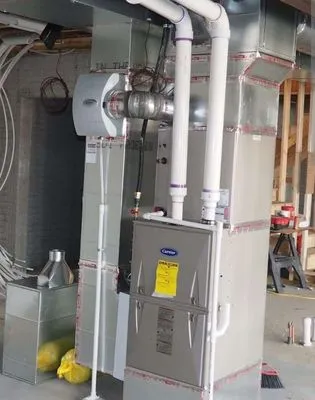
Native Air Mechanical is your trusted local HVAC expert serving Apple Valley, MN. We specialize in professional HVAC installation and replacement, providing reliable solutions for the specific climate...
Common Questions
What are the permit and safety requirements for a new AC installation in 2026?
All HVAC replacements in Apple Valley require a permit from the Apple Valley Building Inspections Department. As of 2026, installations using A2L refrigerants like R-454B must adhere to updated safety standards (ASHRAE 15.2022 and UL 60335-2-40), which mandate leak detectors, revised clearance distances, and special signage. Your contractor must be EPA 608 certified for these refrigerants. The permit process ensures the installation meets current mechanical and electrical codes, which is also a prerequisite for claiming the federal Inflation Reduction Act rebates.
Why does my AC seem to run constantly on the hottest afternoons?
Your system was designed for a specific load calculation based on an 88°F outdoor design temperature, which represents a typical summer high for Apple Valley. On days that exceed this temperature, which occurs during regional heatwaves, the system cannot maintain the standard 20-degree delta T and will run continuously. Modern R-454B refrigerant systems offer improved capacity retention at these higher ambient temperatures compared to older R-22 units, but even they have operational limits.
Is it practical to switch from my natural gas furnace to a heat pump for year-round comfort?
For Apple Valley homes, a cold-climate heat pump can effectively handle heating down to near 0°F, supplementing or replacing natural gas. The key is selecting a unit with a high Heating Seasonal Performance Factor (HSPF) and ensuring proper sizing with a Manual J load calculation. To maximize savings, you can program the system to use the heat pump during off-peak hours and leverage your existing furnace as a backup during the utility peak hours of 2 PM to 8 PM on the coldest days.
Why is my aging Apple Valley system struggling to cool my home this summer?
Many HVAC systems in Apple Valley Central are original to the 1989 average construction year, making them over 35 years old. At this age, galvanized steel ductwork often develops leaks or restrictions, and system components like capacitors and contactors wear out. The most frequent failure we see here is frozen evaporator coils, directly caused by this aged, restricted ductwork reducing airflow across the coil. A unit this old is also operating on an obsolete refrigerant that is less efficient and faces phasedown regulations.
My AC stopped working on a hot day near the Apple Valley Aquatic Center—how fast can a technician arrive?
For a no-cool emergency in your area, our dispatch routes technicians via Cedar Avenue (MN-77), the main arterial connecting to Apple Valley Central. From our local shop, travel time to neighborhoods near the Aquatic Center is reliably 12 to 18 minutes, even during typical midday traffic. We prioritize these calls to prevent further strain on the system and potential secondary damage from overheating components.
Can my current ductwork handle better filters for our wildfire smoke and May pollen?
Apple Valley's moderately humid climate and seasonal PM2.5 from wildfire smoke make enhanced filtration valuable. Your existing galvanized steel ducts are generally robust, but installing a high-MERV filter like a MERV-13 requires a static pressure check. An older blower motor may not overcome the added resistance, potentially causing reduced airflow and frozen coils. A technician can measure your system's static pressure and confirm if a bypass damper or a different filtration strategy is needed.
My Ecobee thermostat is showing an E160 alert—what does this mean for my system?
The Ecobee E160 error code specifically indicates a refrigerant pressure fault. In Apple Valley, this often correlates with two issues: a refrigerant leak, which is critical to address with the newer A2L refrigerants like R-454B due to their mild flammability, or a frozen evaporator coil from the common restricted airflow. This alert allows for early intervention before a complete system failure, preventing compressor damage and avoiding a more extensive repair during peak cooling season.
What do the new 2026 SEER2 requirements mean for my replacement costs and savings?
The current federal minimum efficiency standard is 13.4 SEER2, a significant jump from older units. While a higher-SEER2 system has a higher initial cost, the Inflation Reduction Act provides rebates up to $8,000 for qualifying high-efficiency installations, which can offset much of that premium. At the local Xcel Energy rate of $0.14 per kWh, upgrading from a 10 SEER to a 16 SEER2 system can reduce your seasonal cooling costs by approximately 30-40%, making the payback period favorable.
