
Top Emergency HVAC Services in Detroit Lakes, MN, 56501 | Compare & Call

There are 24 hvac companies server in Detroit Lakes MN

Comfort Masters LLC carries forward a legacy of HVAC service that began in Moorhead back in 1980. Founded in 2010 by a technician with deep roots in the local community, the company builds on decades ...
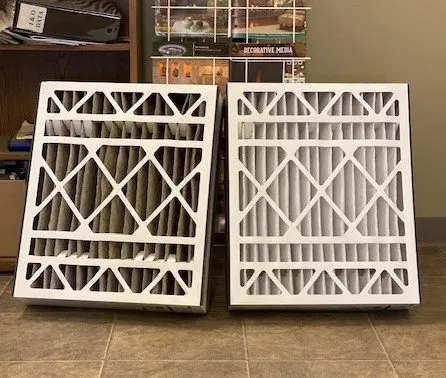
For 25 years, Town and Country Heating & A/C has been the trusted HVAC partner for homeowners across Northern Minnesota, including Hawley. We specialize in installing, repairing, and maintaining all t...
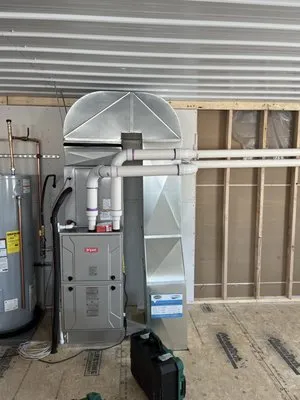
Lakes Area Mechanical is a locally owned and operated HVAC business in Detroit Lakes, MN, founded in 2018 by a technician with deep roots in the community. The owner's career began in 1988 after earni...
RX3 Heating and Air Conditioning is your trusted, local HVAC expert serving Hawley and the surrounding communities. We specialize in professional installation, repair, and maintenance of all heating a...
Aire Serv of Lakes Country
When your heating or cooling system falters in Perham, Aire Serv of Lakes Country is the local team you can count on. As your neighbors in the Lakes Country area, we understand that HVAC problems don'...
Northern Plumbing and Heating
For over 25 years, Northern Plumbing and Heating has been the trusted provider of plumbing and HVAC services for Miltona and the surrounding area. Our team brings extensive residential, commercial, an...
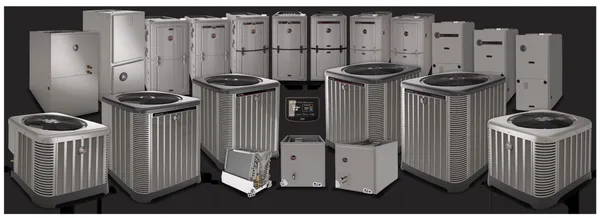
Tims Heating and Refrigeration
Tims Heating and Refrigeration is a locally-owned and licensed HVAC provider proudly serving the New York Mills area since 2013. Owner Tim started the business with a straightforward goal: to deliver ...

Hanson's Plumbing & Heating - Vergas
Hanson's Plumbing & Heating is a family-owned business with deep roots in Vergas, operating since the early 1930s. Founded by Henry Hanson as a hardware store, the company has evolved through four gen...
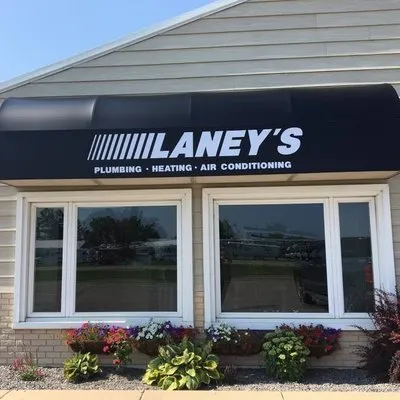
Laney's
Laney's is a trusted, family-owned plumbing and HVAC company serving Detroit Lakes and the surrounding communities for over three decades. We're dedicated to providing reliable solutions for your home...
Lakes Heating and Cooling
Lakes Heating and Cooling is a trusted HVAC company serving Detroit Lakes, MN, and the surrounding area. We specialize in diagnosing and repairing common local heating issues that homeowners face, suc...
Estimated HVAC Service Costs in Detroit Lakes, MN
Q&A
My Ecobee thermostat is showing an E1 alert. What does that mean here?
An Ecobee E1 alert indicates a communication failure between the thermostat and your HVAC equipment. In Detroit Lakes, this is often caused by a tripped safety switch, like a float switch in a clogged condensate drain pan—a common issue given our moderate humidity. It can also signal a blown 24V control fuse on the furnace board. This alert prevents system operation to avoid water damage from an overflowing drain.
How old is my Detroit Lakes heating and cooling system likely to be?
A system in a typical 1976 Detroit Lakes home is likely 15-20 years old or more. This age means components like rubber seals and plastic drain lines have undergone thousands of heating and cooling cycles. Older systems are particularly prone to frozen condensate lines because their drain pans can corrode and their condensate pumps often fail after years of service, especially during our humid summers.
What are the permit and safety rules for a new AC installation in 2026?
All installations in Becker County require a permit from the Becker County Building and Zoning Department. For systems using the new standard R-454B refrigerant, which is mildly flammable (A2L), 2026 codes mandate specific leak detectors, service access, and equipment markings. Technicians must be EPA 608 certified with a special A2L safety endorsement. Proper permitting ensures the installation meets these updated safety and efficiency standards.
Why does my AC seem to struggle on our hottest summer days?
Detroit Lakes' design temperature for cooling is 87°F. On days that exceed this, your system must run continuously to maintain setpoint, and its capacity drops. The newer R-454B refrigerant standard for 2026 offers slightly better high-temperature performance and lower global warming potential than older R-410A. Proper sizing via a Manual J load calculation prevents a new system from being undersized for these peak conditions.
Can my home's existing ductwork handle better air filters for wildfire smoke and pollen?
Your home's galvanized steel ductwork is typically robust, but its ability to handle a high-MERV filter depends on the system's blower capacity. While a MERV-13 filter is excellent for trapping PM2.5 from wildfire smoke and May pollen, it increases static pressure. A technician should perform a static pressure test before installation; an undersized blower motor could overheat, reducing airflow and system efficiency.
Is it worth switching my natural gas furnace to a heat pump in this climate?
With winter lows around -20°F, a properly sized cold-climate heat pump is a viable primary heat source. The economics depend on natural gas versus electricity rates and the available IRA rebates. To manage costs, you can program the heat pump for supplemental heating during off-peak hours outside Connexus Energy's 2 PM to 7 PM peak window, using the existing gas furnace as a backup during extreme cold or high-demand periods.
What does the new 13.4 SEER2 minimum mean for my utility bill?
The 13.4 SEER2 mandate for 2026 ensures new systems are at least 15% more efficient than older 13 SEER models. At Connexus Energy's rate of $0.14/kWh, a modern 16 SEER2 unit can save over $150 annually compared to a 20-year-old system. The Inflation Reduction Act's HEEHRA rebates, with an $8,000 maximum, can significantly offset the upfront cost, making high-efficiency upgrades financially practical.
What's the fastest way to get help during a no-cool emergency near Downtown?
For a no-cool emergency, a technician can be dispatched from the Detroit Lake City Park area and be at your Downtown home in 5-10 minutes using US Highway 10. The first step is a visual check for a tripped breaker, a dirty air filter, or ice on the outdoor unit. Quick dispatch is critical here to prevent secondary damage from water leaks if a frozen condensate line thaws.
