
Top Emergency HVAC Services in Lakefield, MN, 56150 | Compare & Call

There are 70 hvac companies server in Lakefield MN

Minn Mechanical Contractors
Minn Mechanical Contractors LLC is a New Prague-based HVAC and mechanical services provider founded by an experienced, union-trained professional. Rooted in formal training and hands-on experience, th...
Tek Mechanical Service Inc
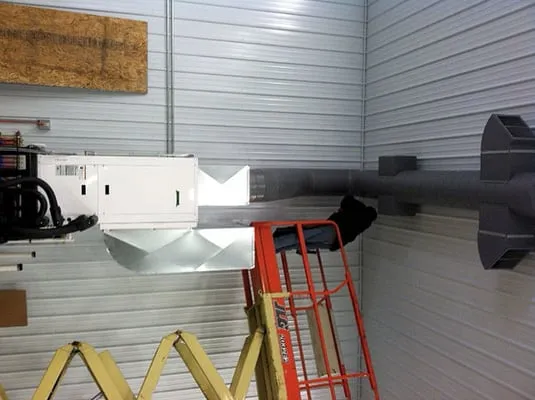
Tek Mechanical Service Inc has been a trusted plumbing, heating, and HVAC provider in Hutchinson, MN since 1948. We specialize in both commercial and residential services, including furnaces, air cond...
HVAC Solutions
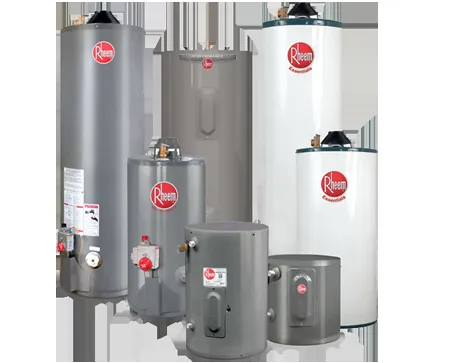
HVAC Solutions provides reliable heating, air conditioning, and water heater services for Hutchinson homes and businesses. I focus on clear communication and professional workmanship to ensure every p...

Blake's Heating & Air is a locally owned and operated HVAC company in Mankato, MN, with deep roots in the community. As a fifth-generation technician, Blake brings extensive, hands-on knowledge of hea...
Schwickert’s Tecta America
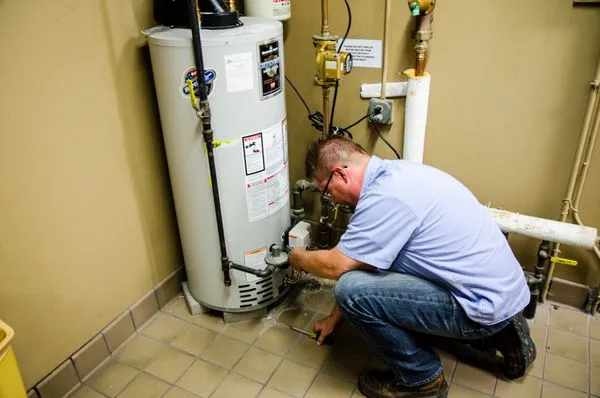
Founded in 1906 by George Schwickert, Schwickert's Tecta America has been a trusted cornerstone of the Mankato community for generations. Headquartered right here in Mankato, Minnesota, we serve as a ...
Countryside Refrigeration & Heating
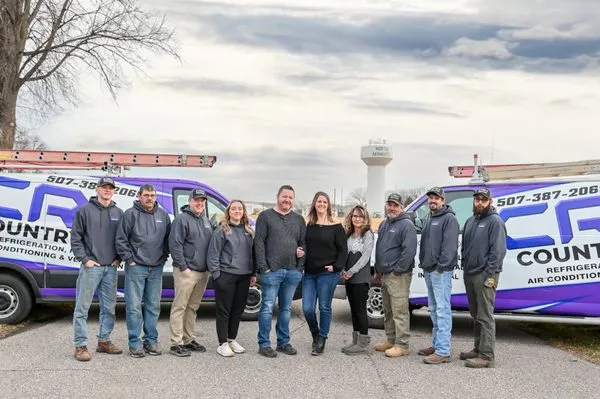
As a family-owned and operated business since 1961, Countryside Refrigeration & Heating LLC is deeply rooted in the North Mankato community. Owners Bryan and Rebecca moved here to be closer to family ...
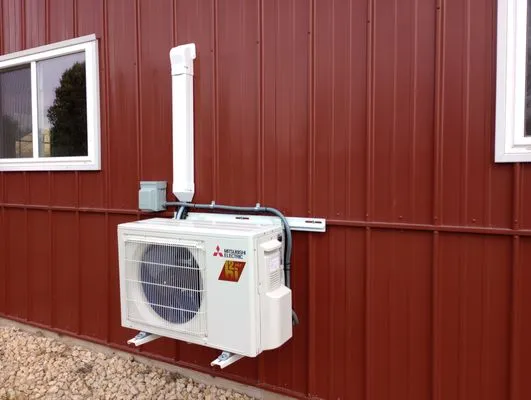
Ignite Heating, Cooling, and Refrigeration Repair
Ignite Heating, Cooling, and Refrigeration Repair is a family-owned HVAC business serving Mankato, MN, with a foundation built on strong ethical values and a personal commitment to each customer. Foun...
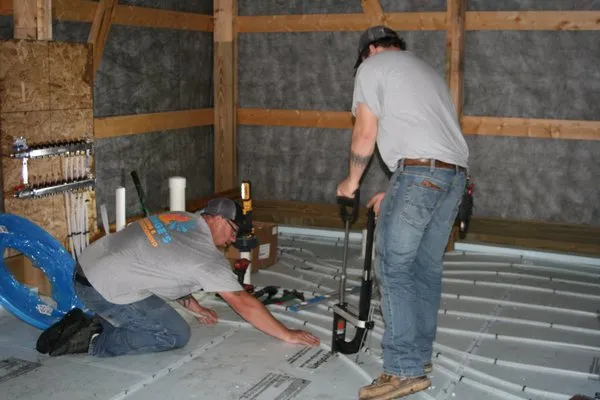
Prange's Heating & Air Conditioning
Prange's Heating & Air Conditioning is a local, family-owned business dedicated to keeping Madison Lake homes comfortable year-round. We provide reliable HVAC installation, repair, and maintenance ser...
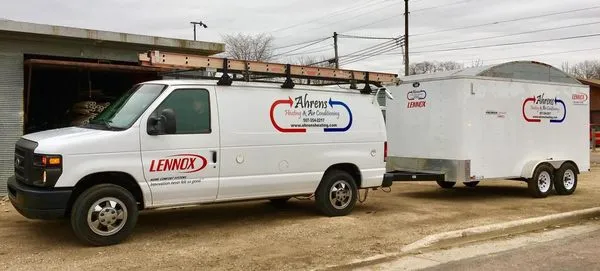
Since 1947, Ahrens Heating, Inc. has been the trusted local provider of comprehensive HVAC solutions for New Ulm, Mankato, and surrounding Minnesota communities. As a full-service heating and cooling ...
Weber Heating & Air Conditioning
For over 24 years, Weber Heating & Air Conditioning has been a trusted name for reliable HVAC solutions in North Mankato and the surrounding Mankato area. We specialize in the installation, repair, an...
Estimated HVAC Service Costs in Lakefield, MN
Frequently Asked Questions
With propane heat, should I consider a heat pump for my Lakefield home?
Yes, especially given propane price volatility. Modern cold-climate heat pumps operate efficiently in Minnesota winters, and pairing one with your existing propane furnace as a backup creates an optimal dual-fuel system. To maximize savings, program the thermostat to use the heat pump during off-peak hours and switch to propane during the utility's peak period from 2 PM to 7 PM when electricity rates are highest.
Can my old galvanized steel ducts handle a high-efficiency air filter for pollen and PM2.5?
Galvanized steel ductwork is physically durable but often undersized for modern static pressure requirements. Installing a MERV-13 filter for May pollen and year-round PM2.5 protection can critically restrict airflow in these older systems. A technician must measure static pressure; the solution often involves duct sealing or selective enlargement to allow proper filtration without causing the evaporator coil to freeze.
Lakefield summer highs can hit 95°F. Is my system designed for that?
No. Local HVAC design uses an 88°F outdoor temperature as the standard cooling load calculation basis. On days exceeding 95°F, your system will run continuously and may not maintain the desired indoor temperature. Modern equipment using R-454B refrigerant maintains better capacity and efficiency at these higher temperatures compared to older refrigerants, closing this performance gap.
My furnace and AC are original to my 1957 Central Lakefield home. What should I expect?
A system installed in 1957 is now 69 years old, far exceeding its intended service life. In Lakefield's moderate humidity, galvanized steel ductwork from that era often develops leaks, reducing airflow. This low airflow is a primary cause of frozen evaporator coils, as the system cannot absorb enough heat. A unit this age also likely uses R-22 refrigerant, which is obsolete and very expensive to service.
My Ecobee thermostat is showing an E1 error code. What's happening?
An Ecobee E1 code indicates the thermostat cannot detect a signal from your outdoor compressor unit. In Lakefield, this commonly points to a safety lockout from a previous fault, a failed control board, or a low refrigerant charge that triggered the high-pressure switch. It's a diagnostic alert urging a service call before a minor issue leads to a major failure like a seized compressor.
What are the permit and safety rules for a new AC installation in 2026?
All installations in Jackson County require a permit from the Jackson County Building and Zoning Department. Since 2025, new systems must use A2L refrigerants like R-454B, which are mildly flammable. This mandates specific contractor certification (EPA 608 Type II or III), leak detection systems, and revised clearance codes in equipment placement. Proper permitting ensures compliance with these 2026 safety standards for refrigerant handling.
If my AC quits on a hot day near Ashley Park, how fast can a technician arrive?
For a no-cool emergency in Central Lakefield, dispatch from a service van near I-90 allows a consistent 5 to 10 minute response. This rapid arrival is critical to prevent secondary damage from a frozen coil or compressor overload. Technicians carry diagnostic tools and common A2L refrigerants like R-454B to begin repairs immediately upon arrival.
What does the new 13.4 SEER2 minimum mean for my utility bills?
The 2026 SEER2 standard mandates higher real-world efficiency than the old SEER rating. For a typical 2.5-ton system at Lakefield's $0.14 per kWh rate, upgrading from a 10 SEER unit to a 16 SEER2 model can save about $450 annually. The federal Inflation Reduction Act rebate, capped at $8,000, directly offsets the higher upfront cost of these efficient units, improving the payback period.
