
Top Emergency HVAC Services in Minneapolis, MN, 55401 | Compare & Call

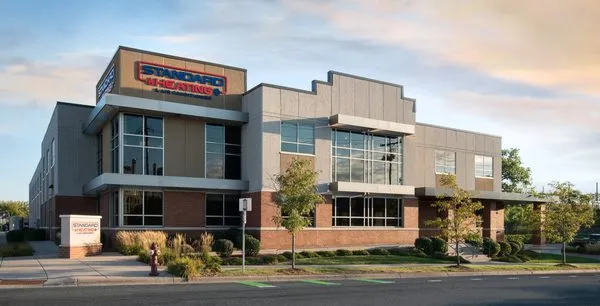
Standard Heating & Air Conditioning
Standard Heating & Air Conditioning has been a trusted family-owned HVAC provider in Minneapolis since 1930, founded by Tony Ferrara after his mother secured him a job with a door-to-door heating serv...
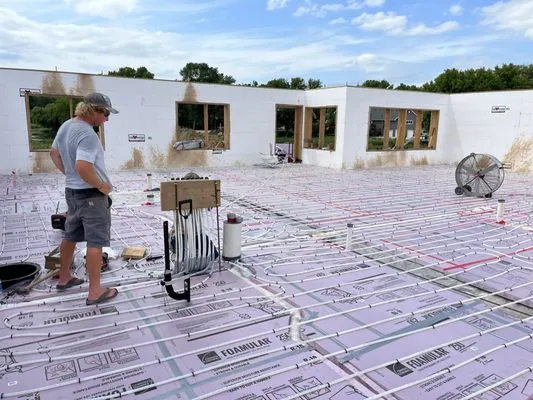
Serving the Minneapolis area, Ron's Heating and Air Conditioning is your local expert for reliable HVAC solutions. We specialize in the installation, repair, and maintenance of heating and cooling sys...
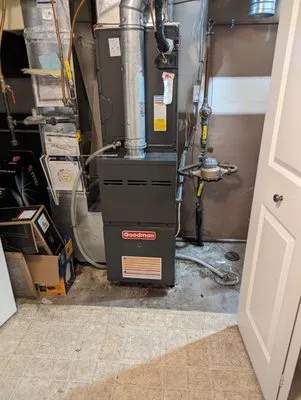
Vector Services
Vector Services is a licensed home services company founded in 2014, providing trusted HVAC, plumbing, and electrical solutions for Minneapolis and the surrounding area. With nearly a decade of experi...
For over a decade, Windom Heating & Cooling has been the Minneapolis home's trusted partner for reliable climate control. Founded by Manuel after years in corporate HVAC, our company was built on a si...
Ray N. Welter Heating Company is a family-owned Minneapolis HVAC specialist with roots dating back to 1904. Serving the Twin Cities for over four generations, we understand the specific heating and co...
Sensible Heating and Air Conditioning brings over 16 years of dedicated expertise to homes throughout the Minneapolis and St. Paul metro area. As a local, owner-operated business, I focus on deliverin...

Pronto Heating and Air Conditioning
Pronto Heating and Air Conditioning was founded in 2008 by brothers Wade and Greg Sedgwick, who bring decades of HVAC experience to Minneapolis and the surrounding Twin Cities. As a family-owned busin...
Dean's Home Services has been a trusted, family-owned home service provider in Minneapolis and the Twin Cities since 1996. As a licensed and bonded contractor, we specialize in HVAC, plumbing, and ele...
Mill City Heating & Cooling is a trusted local HVAC provider serving Minneapolis, St. Paul, and the Twin Cities suburbs since 2014. Co-owned by a Senior HVACR Field Supervisor with over two decades of...

Kennedy Heating and Cooling is a trusted, locally-owned HVAC company serving Minneapolis and the surrounding area. We specialize in expert installation, reliable repair, and preventative maintenance f...
Common Questions
With spring pollen and wildfire smoke, should I upgrade to a MERV-13 air filter?
Upgrading filtration to MERV-13 is highly effective for capturing May pollen peaks and wildfire PM2.5, but requires a static pressure check. The original galvanized steel ductwork in many 1950s Minneapolis homes may not handle the increased airflow restriction without causing strain on the blower motor. A technician should measure static pressure and assess duct integrity; often, sealing leaks or modifying the return air pathway is necessary to safely use high-MERV filters and maintain proper indoor air quality.
My furnace seems as old as my Uptown house. How often do HVAC systems from the 1950s fail?
A system installed in a 1950s Minneapolis home is now over 75 years old, exceeding its expected lifespan by decades. Units of this age commonly suffer from condensate line freezing, especially in our moderate to humid climate. The persistent moisture from cooling cycles, combined with aging insulation and potential airflow blockages in old galvanized steel ductwork, creates ideal conditions for ice to form and halt operation. This failure point is a primary reason for emergency no-cool calls in summer.
What does the new 13.4 SEER2 minimum efficiency standard mean for my replacement costs?
The 13.4 SEER2 federal minimum effective in 2026 ensures all new systems provide significant energy savings over older units. For Minneapolis homes, pairing a high-SEER2 unit with the active Inflation Reduction Act rebates, which have an $8,000 cap, can dramatically offset the upgrade cost. When combined with Xcel Energy's $800 cooling equipment rebate, the net investment shrinks, and the lower 0.16/kWh operational cost provides ongoing savings. This makes 2026 an optimal year to replace an aging, inefficient system.
Our AC just quit on a hot day near Bde Maka Ska. How fast can a technician get here?
A service dispatch from our central location to Uptown typically takes 15 to 25 minutes, using I-35W for direct access. We prioritize no-cool emergencies during heatwaves to restore comfort and prevent secondary issues like humidity buildup. While en route, we can often diagnose preliminary causes, such as a tripped breaker or a frozen condensate line, to expedite the repair upon arrival. This routing ensures a rapid response to protect your system and indoor environment.
My Ecobee thermostat is showing an E1 alert. What does that mean for my system?
An Ecobee E1 alert signals the thermostat is not detecting voltage from the equipment, often pointing to a safety lockout or power interruption at the furnace control board. In Minneapolis, this commonly results from a tripped high-limit switch due to restricted airflow from a dirty filter or a failing inducer motor. It can also indicate a frozen condensate line triggering a safety float switch. This alert allows for early intervention before a complete system failure occurs, especially during high-demand periods.
Is it practical to switch my gas furnace for a heat pump with our cold winters?
Modern cold-climate heat pumps are a viable primary heat source for Minneapolis, even with winter lows near -20°F, though a hybrid system with a gas backup is often recommended for peak demand. The economics depend on your gas versus electricity rates and utilizing the 14:00-20:00 utility peak hours strategically. The Inflation Reduction Act rebates substantially reduce the upfront cost of qualifying heat pump installations, making the transition more accessible for homeowners seeking to decarbonize their heating.
Why does my AC struggle when it hits the mid-90s, even though it's newer?
Minneapolis HVAC systems are engineered to a 89°F design temperature, a standard based on historical climate data. When actual temperatures exceed this, such as during a heatwave, the system must run continuously to maintain setpoint, reducing its apparent capacity. Modern units using R-454B refrigerant maintain better efficiency and pressure stability in these high-load conditions compared to older refrigerants. Proper sizing from a Manual J load calculation is critical to minimize this performance gap during extreme weather.
What are the permit and safety rules for installing a new AC with modern refrigerant?
All HVAC replacements in Minneapolis require a permit from the Development Review Department, ensuring compliance with city mechanical codes. As of 2026, new systems predominantly use A2L refrigerants like R-454B, which are mildly flammable. Installations must follow strict SAE and UL standards for leak detection, ventilation, and labeling. Technicians require EPA Section 608 certification with a new A2L specialty designation. These protocols ensure safe handling and system integrity for the lifetime of the equipment.
