
Top Emergency HVAC Services in Anderson, MO, 64831 | Compare & Call

There are 15 hvac companies server in Anderson MO
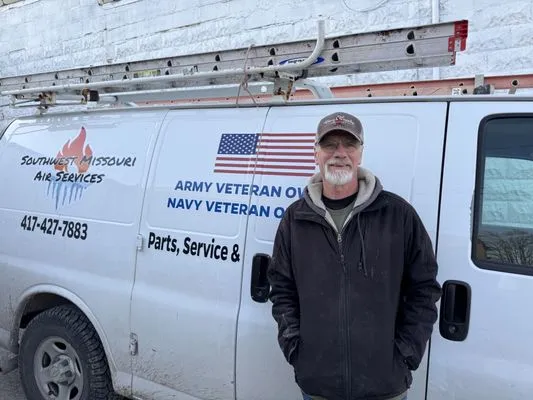
Southwest Missouri Air Services is a trusted, veteran-owned HVAC company serving Aurora, MO, with over a decade of experience in heating and air conditioning. Founded and operated by military veterans...
Mike's Heating and Air Conditioning
Mike's Heating and Air Conditioning has been a trusted provider of climate control solutions since 1978, proudly serving Neosho and the surrounding Four-State area. Our deep-rooted experience means we...
Paschal Air, Plumbing & Electric
For over 50 years, Paschal Air, Plumbing & Electric has been a trusted name for Carthage families, proudly operating as a third-generation, family-led business. As a top-rated Trane dealer recognized ...
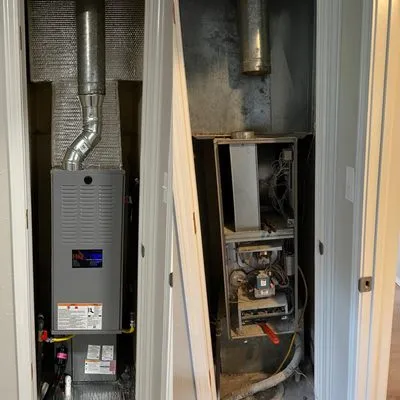
Hooten Heating & Cooling was founded in Goodman, MO by Mathew Hooten, who began his HVAC career in 2004 with a focus on customer satisfaction through dedicated service. The company has built a reputat...
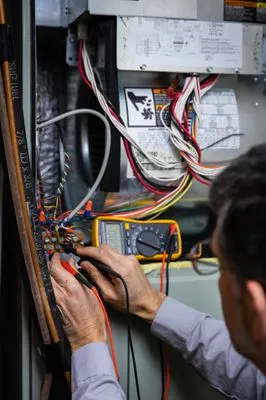
Lyerla Heating & Air is a trusted Joplin, MO, HVAC company with deep local roots. Founded in 2001, the business was acquired in 2018 by Kevin and Kim Brady, who continue its tradition of reliable, str...
J & M Smith Heating and Air is a trusted, locally-owned HVAC company serving Joplin and the surrounding southwest Missouri area. Owned and operated by Matt S., the company provides affordable and depe...
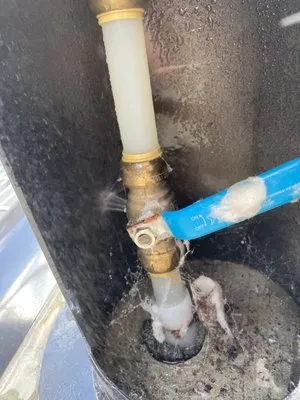
Advice Repairs is a locally owned and operated maintenance business serving Anderson, MO, and the broader McDonald County area. Founded by a husband-and-wife team, both with HVAC diplomas and over a d...
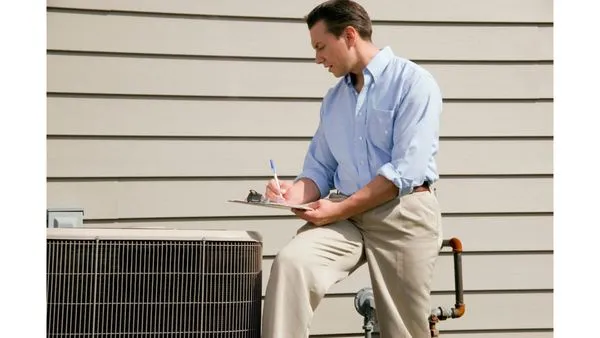
Founded by a U.S. Air Force veteran, All Things Ductless brings over a decade of specialized military HVAC experience to Joplin. Starting as a local handyman service in 2017, we've grown into a family...
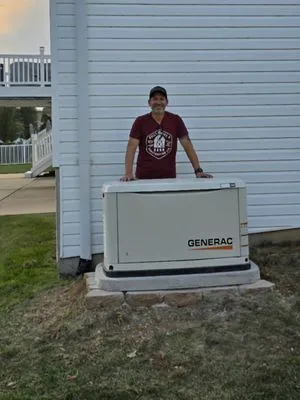
Built Like A Barn Construction
Built Like a Barn Construction is a family-owned and operated, licensed and insured contractor serving Stella, MO, and the surrounding area. We specialize in providing reliable, integrated solutions f...
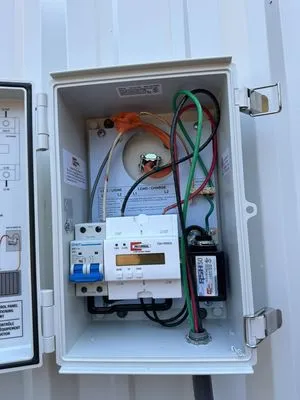
New Mac Heating & Air Conditioning brings trusted, family-focused service to Lanagan and Southwest Missouri. Founded in 2024 as a branch of NWA Cooling and Heating, our roots in the HVAC trade stretch...
Estimated HVAC Service Costs in Anderson, MO
Frequently Asked Questions
Should I consider switching from my propane furnace to a heat pump?
For Anderson homes using propane heat, a cold-climate heat pump can be a cost-effective primary heating source, especially with current rebates. Modern heat pumps operate efficiently in Missouri's winter lows. To maximize savings, pair the system with a smart thermostat to avoid operating during Liberty Utilities' peak hours from 2 PM to 7 PM. This shift can reduce your reliance on volatile propane prices and provide both heating and cooling from one unit.
What if my air conditioner stops working on the hottest day of the year?
A no-cool emergency during an Anderson heatwave requires a fast response to protect your home from heat and humidity. Our technicians, based near the McDonald County Courthouse, can typically reach Downtown Anderson addresses within 5-10 minutes via US-71. The first step is to check your thermostat settings and the circuit breaker before calling, as this can resolve many simple issues and expedite service if a repair is needed.
What permits and safety rules apply to a new AC installation in 2026?
All HVAC replacements in McDonald County require a permit from the McDonald County Building Department. As of 2026, new systems using A2L refrigerants like R-454B must comply with updated safety standards, which include specific leak detection and room size requirements. Hiring a licensed contractor ensures the installation meets these codes, preserves your equipment warranties, and validates your eligibility for the Inflation Reduction Act and Liberty Utilities rebates.
Is it worth upgrading my old AC to meet the new 2026 efficiency standards?
The current federal minimum SEER2 requirement is 14.3, which modern systems easily exceed. Upgrading from an old unit to a high-efficiency model can cut cooling energy use by 30-50%. With Anderson's electricity rate at $0.13 per kWh, the annual savings are significant. The Inflation Reduction Act's HEEHRA rebates, with an $8,000 cap per household, can substantially offset the cost of a qualifying high-SEER2 system, improving your payback period.
My Ecobee thermostat is showing an E1 alert; what does that mean?
An Ecobee E1 alert indicates the thermostat is not detecting power from your HVAC system's control circuit. In Anderson, this commonly points to a tripped float switch from a clogged condensate drain line—a frequent issue in humid environments—or a failed control board. It can also signal a blown low-voltage fuse. This alert allows for proactive maintenance before a complete system failure occurs, preventing potential humidity damage or a no-cool situation.
Can my home's existing ductwork support better air filters for allergies and ozone?
Anderson's ozone risk and May pollen peak make advanced filtration like MERV-13 desirable. Your galvanized sheet metal ducts with duct board are generally robust, but adding a high-MERV filter can increase static pressure. A technician should measure your system's static pressure to ensure it can handle the added restriction without reducing airflow or causing the evaporator coil to freeze, which is a common concern in humid climates.
My AC unit seems old and keeps freezing up; could its age be the issue?
Units in Anderson homes built around 1977 are approximately 49 years old, exceeding the typical 15-20 year service life. The high humidity profile here accelerates corrosion, particularly in the evaporator coil, which is a common failure point. This corrosion restricts refrigerant flow and reduces heat transfer, often causing freeze-ups. A system of this age is likely operating below half its original efficiency and is a candidate for replacement under the current rebate programs.
Why does my AC struggle to keep up on days above 95 degrees?
Anderson's HVAC systems are engineered to a 92°F design temperature, based on local climate data. When outdoor temperatures exceed this, such as during a heatwave, the system must run continuously to maintain setpoint, and indoor temperatures may still rise. Modern units using the new standard R-454B refrigerant are designed for better high-temperature performance and capacity retention compared to older R-410A systems, helping to close this performance gap.
