
Top Emergency HVAC Services in Buffalo, MO, 65622 | Compare & Call

There are 53 hvac companies server in Buffalo MO

Paschal Air, Plumbing & Electric
Paschal Air, Plumbing & Electric is a trusted name for Nixa homeowners, with deep roots in home service expertise dating back to 1968. Originally founded by Randall Paschal, the company has grown unde...
Since 1995, I've built a life and career in Springfield, starting with Carroll Cement Finishing, a concrete contracting business I operated for 28 years. When the economy shifted in 2008, I adapted by...
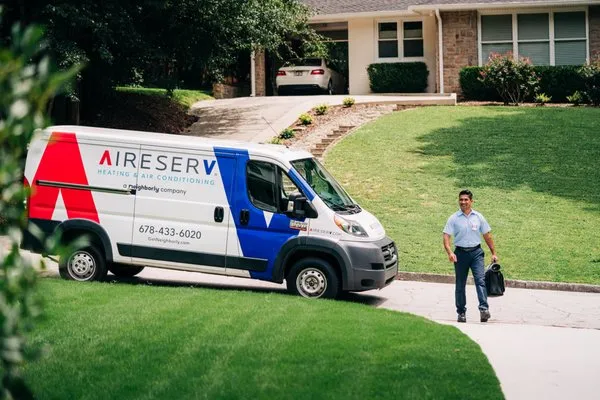
Aire Serv of Springfield
Aire Serv of Springfield is a locally owned and operated HVAC company deeply rooted in the Ozarks community. Founded by an Ozarks native with over 24 years of industry experience, the business began a...
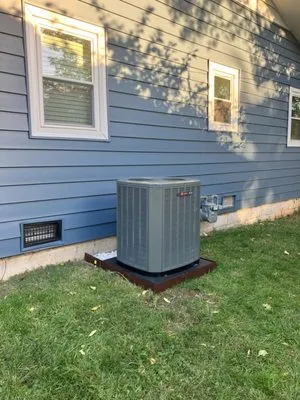
Jon Wayne Heating & Air
For over 20 years, Jon Wayne Heating & Air has been a cornerstone of Springfield's HVAC community, founded on deep local roots and a commitment to the area's homes. We are a locally owned and operated...
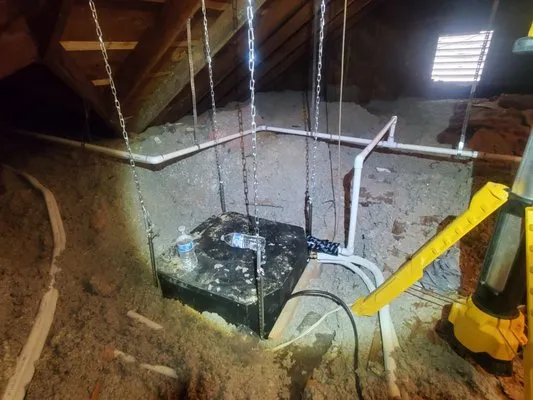
Serving Springfield, MO, Spencer HVAC Service is a trusted local provider dedicated to keeping homes comfortable year-round. We specialize in comprehensive HVAC solutions, from expert installation and...
Jarhead Heating and Air is a trusted HVAC company serving Springfield, MO, with over 6 years of experience in providing reliable and affordable heating and air services for both residential and commer...
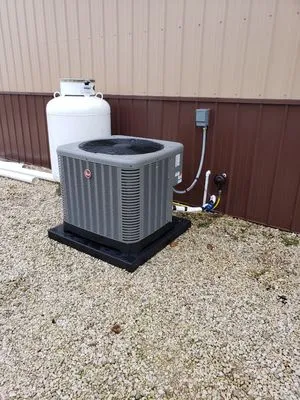
Shirley's Heating and Air
Shirley's Heating and Air is a family-owned HVAC service based right here in Rogersville, MO, with over 20 decades of local experience. Owner Shirley grew up in the Springfield area and worked alongsi...

Battle Tested Comfort is a trusted heating and air conditioning company serving Springfield, MO homeowners with reliable HVAC solutions. We specialize in installation, repair, and maintenance services...
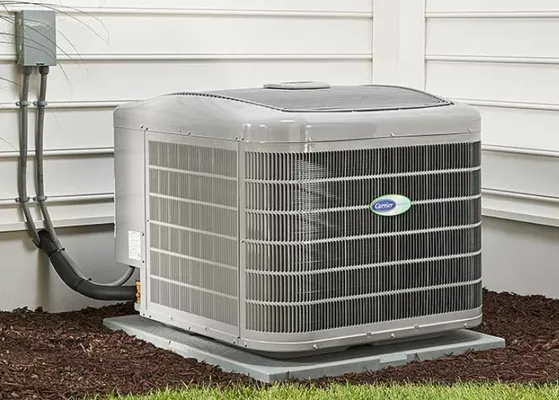
Knight Heating & Air Conditioning has been the trusted local choice for Nixa homes and businesses since 1983. As a family-owned and operated company, we provide reliable residential and light commerci...

F&S Master Air
At F&S Master Air, we believe the foundation of reliable home comfort is a friendly, knowledgeable team that treats every customer like family. As a locally owned and operated Rheem Team Top Contracto...
Estimated HVAC Service Costs in Buffalo, MO
Question Answers
My Buffalo home's AC seems to be struggling more each summer. Could its age be a factor?
Homes in Buffalo average construction around 1973, making many HVAC systems over 50 years old. This age exceeds typical equipment lifespans of 15-20 years. Older systems in our humid continental climate face accelerated condenser coil oxidation from constant moisture exposure. The galvanized steel ductwork common in these homes can also develop airflow restrictions over decades of service.
What happens if my AC stops working during a Buffalo heatwave? How quickly can help arrive?
For a no-cool emergency in Buffalo City Center, technicians can typically respond within 5-10 minutes from the Dallas County Courthouse area. Our service vehicles use US-65 for direct access to neighborhoods throughout Buffalo. We prioritize same-day emergency calls during peak cooling season to prevent indoor temperature spikes that strain both equipment and occupants.
Should I consider switching from propane heat to a heat pump in Buffalo?
Buffalo's climate supports heat pump operation for most of the heating season, with modern cold-climate models maintaining efficiency down to 5°F. The 14:00-19:00 utility peak hours align with typical evening temperature drops, making heat pumps with time-of-use settings economically advantageous. Combining heat pump installation with IRA rebates often yields faster payback than continuing with propane systems at current fuel prices.
Why does my AC struggle when temperatures approach 100°F in Buffalo?
Buffalo's HVAC systems are designed for 92°F outdoor temperatures based on historical climate data. When summer highs exceed this design limit, capacity drops approximately 1.5% per degree above 92°F. Modern R-454B refrigerant maintains better performance at higher temperatures than older refrigerants, but all systems experience reduced efficiency during extreme heat events that surpass design parameters.
Can my Buffalo home's existing ductwork handle better air filtration for pollen and particulates?
Buffalo's May pollen peak and particulate matter risk make filtration upgrades valuable. Galvanized steel ductwork from 1970s construction generally supports MERV-13 filters without static pressure issues when properly sized. We measure static pressure during service calls to confirm your system can handle higher filtration without reducing airflow or causing premature blower motor failure.
Are the new 2026 SEER2 requirements worth the investment for Buffalo homeowners?
The 14.3 SEER2 minimum represents a significant efficiency upgrade from previous standards. At Buffalo's 13¢/kWh electricity rates, higher SEER2 systems reduce operating costs substantially during our cooling season. The Inflation Reduction Act provides up to $8,000 in rebates for qualifying installations, making the efficiency jump financially accessible while lowering long-term energy bills.
My Ecobee thermostat shows an E1 error code. What does this mean for my Buffalo HVAC system?
The Ecobee E1 alert indicates communication loss between your thermostat and HVAC equipment. In Buffalo homes, this often signals wiring issues in older installations or control board failures in aging systems. We check the 5-wire thermostat cable connections and equipment control terminals first, as humidity-related corrosion at these points frequently causes communication breakdowns in our climate.
What permits and safety standards apply to new AC installations in Buffalo?
The City of Buffalo Building Department requires permits for all HVAC equipment replacements. Since 2025, R-454B and other A2L refrigerants mandate specific safety protocols including leak detection systems and service area ventilation requirements. Technicians must hold EPA Section 608 certification with A2L-specific training, and installations must follow ASHRAE 15-2022 standards for refrigerant charge limits and equipment placement.
