
Top Emergency HVAC Services in Lebanon, MO, 65536 | Compare & Call

Pro Climate Control is your Lebanon-based, fully-certified HVAC contractor dedicated to maintaining comfort in homes and businesses throughout the Ozarks. We specialize in comprehensive heating, venti...
Southern Contracting
Southern Contracting is a locally owned, Veteran-operated general contractor serving Lebanon, MO, and the surrounding area. With over 16 years of industry experience, we provide honest, integrity-driv...
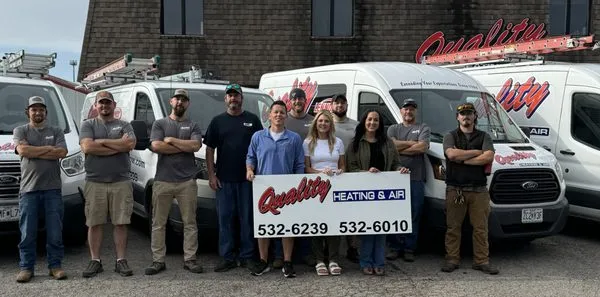
Quality Heating & Air has been Lebanon, MO's trusted HVAC partner since 1984, providing reliable heating and cooling solutions for both homes and businesses. Our team of trained technicians specialize...

Moore Heating & Cooling is Lebanon's trusted local HVAC expert. We understand the specific challenges homeowners in our area face, such as HVAC units short cycling and clogged condensate drains. Our t...
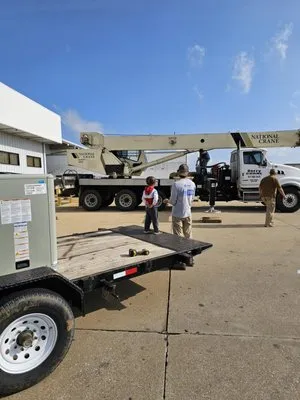
FTS Heating & Cooling
FTS Heating & Cooling is a family-owned HVAC provider serving Lebanon and the Missouri Ozarks for over two decades. Founded by Casey and now co-owned by his sons, Jacey and Gabe, the business operates...
Nyborg Climate Control is a trusted HVAC provider serving Lebanon, MO, and the surrounding area. We specialize in heating, air conditioning, and ventilation services for both residential and commercia...
Dunlap Heating & Cooling has been Lebanon's trusted name for comfort since 1985. As a local, family-operated business, we understand the specific climate challenges our community faces, from swelterin...

HendersonHeating & Cooling
Henderson Heating & Cooling is a family-owned HVAC company that has been serving Lebanon, MO, and the surrounding communities since 1958. With decades of experience, we provide reliable heating, cooli...
Jones Comfort Solutions is Lebanon's trusted heating and air conditioning expert, dedicated to keeping local homes comfortable year-round. We understand the common HVAC challenges Lebanon residents fa...
R&R Heating & Cooling has been providing reliable HVAC services to Lebanon, Missouri residents since 1985. As a locally owned and operated business, we understand the specific climate challenges our c...
Question Answers
How do the new 2026 SEER2 requirements affect my HVAC replacement costs in Lebanon?
The 14.3 SEER2 minimum for 2026 represents about an 8% efficiency improvement over previous standards. At Lebanon's 0.11/kWh electricity rates, this translates to approximately $45-60 annual savings for a typical 3-ton system. The Inflation Reduction Act's $8,000 rebate cap often covers most of the premium for higher-efficiency units. Combining the rebate with Laclede Electric Cooperative's $400 HVAC rebate makes upgrading to 16+ SEER2 systems financially practical for many homeowners.
What does an Ecobee E1 error code indicate for my Lebanon HVAC system?
An Ecobee E1 alert specifically signals that your thermostat has lost communication with the indoor equipment. In Lebanon systems, this often points to wiring issues at the air handler or control board rather than thermostat failure. The humid environment can cause corrosion at connection points in older installations. This alert requires professional diagnosis since continued operation with communication faults can lead to improper staging and reduced system lifespan.
What should I do if my air conditioning stops working during a Lebanon heatwave?
First check your thermostat settings and circuit breaker before calling for service. Lebanon technicians can typically reach Downtown Lebanon addresses within 5-10 minutes from locations like Boswell Park via I-44. Emergency no-cool calls during peak heat hours receive priority dispatch to prevent heat-related stress. Quick response times help minimize equipment damage that can occur when systems run without proper refrigerant charge or airflow.
How does Lebanon's summer heat affect modern air conditioning performance?
Lebanon's design temperature of 91°F represents the 1% extreme condition that systems are engineered to handle. Modern R-454B refrigerant maintains stable pressure-temperature relationships up to approximately 115°F ambient temperatures. During heat waves exceeding 91°F, properly sized systems will run continuously but maintain indoor comfort through adequate latent heat removal. Oversized units in our humid climate would short-cycle and fail to control humidity effectively during moderate temperature periods.
Can my older duct system handle high-efficiency air filters for Lebanon's pollen and ozone issues?
Galvanized sheet metal ductwork with external wrap, common in Lebanon homes, generally supports MERV-13 filters better than flex duct systems. However, static pressure testing is recommended before upgrading filtration, especially during April's pollen peak. Higher MERV filters help capture pollen particles and reduce ozone-related respiratory irritation. Properly sized return air grilles and regular filter changes maintain airflow while improving indoor air quality during high AQI periods.
Why do older HVAC systems in Lebanon homes tend to develop condensate drain line blockages?
The average Lebanon home was built around 1981, making many HVAC units approximately 45 years old. Older systems in humid climates like ours accumulate mineral deposits and organic growth in their condensate lines over decades. Galvanized sheet metal ductwork with external wrap, common in these homes, can contribute to moisture retention that promotes algae formation. Regular maintenance becomes critical for systems of this age to prevent water damage and maintain proper humidity control.
What permits and safety standards apply to new HVAC installations in Lebanon?
The City of Lebanon Building and Zoning Department requires permits for all HVAC replacements involving refrigerant changes or electrical modifications. Since January 2023, all new installations using A2L refrigerants like R-454B must include leak detection systems and emergency ventilation per ASHRAE Standard 15-2022. Technicians must hold EPA Section 608 certification with specific A2L endorsement. These requirements ensure safe handling of mildly flammable refrigerants in residential applications.
Should I consider switching from gas heat to a heat pump in Lebanon's climate?
Lebanon's winter lows around 20°F make modern cold-climate heat pumps viable for most heating needs. During utility peak hours from 14:00-19:00, heat pumps typically operate more efficiently than resistance heating alternatives. The switch from gas heat requires evaluating your home's insulation levels and existing ductwork capacity. With current rebates, the payback period for converting to a dual-fuel or full heat pump system has shortened significantly for Lebanon homeowners.
