
Top Emergency HVAC Services in Maryville, MO, 64468 | Compare & Call

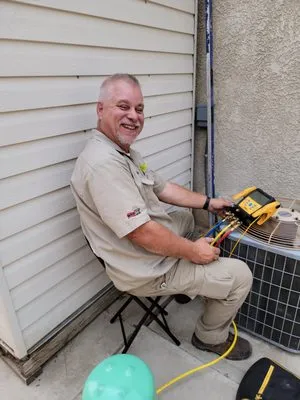
Jon Dooley Heating & Cooling is a family-owned HVAC contractor that has been serving the Maryville, Missouri community since 2006. With over 26 years of combined experience, the team provides reliable...
Northwest Heating & Cooling
Northwest Heating & Cooling is your trusted local HVAC partner in Maryville, Missouri. We provide reliable heating and cooling solutions tailored to the needs of homes and businesses in Nodaway County...

Geist Heating & Air Conditioning
Geist Heating & Air Conditioning is a trusted local HVAC provider serving Maryville, MO, and the surrounding area. We understand that local homeowners frequently face HVAC issues like dirty condenser ...
First Choice Heating & Cooling is Maryville, MO's trusted HVAC specialist, dedicated to keeping local homes comfortable year-round. We understand the common challenges homeowners face, such as heat pu...
Myers Air Conditioning & Heating is a trusted HVAC company serving Maryville, MO, and the surrounding area. We specialize in diagnosing and fixing common local heating and cooling problems that homeow...
Al's Heating Cooling & Refrigeration
Al's Heating Cooling & Refrigeration is Maryville's trusted local HVAC partner, specializing in keeping homes comfortable year-round. We understand that local homeowners frequently face issues like re...
American Standard Heating & Air Conditioning in Maryville, MO, helps homeowners achieve year-round comfort and improved indoor air quality. We understand the specific challenges local homes face, from...
J & L Heating and Cooling
J & L Heating and Cooling, serving the NW Missouri area since 2002, is a family-owned and operated HVAC and appliance repair business based in Maryville. Founded by Jim Auten and now run alongside his...
Frequently Asked Questions
Can my home's existing ductwork handle better air filtration?
Galvanized steel ductwork typically accommodates MERV-13 filters without static pressure issues when properly sized. This filtration level addresses Maryville's May pollen peak and ozone risk by capturing 90% of particles 3-10 microns. However, older duct systems may require sealing to prevent bypass airflow. A static pressure test determines if your specific installation can maintain proper airflow with higher-efficiency filtration.
What permits and safety standards apply to new AC installations?
The City of Maryville Building & Planning Department requires permits for all refrigerant system replacements. 2026 standards mandate special considerations for R-454B installations, including leak detection systems and service port requirements. A2L refrigerants like R-454B have lower flammability than previous options but still require certified technicians for handling. Proper documentation of refrigerant charge and safety systems must accompany permit applications.
If my Downtown Maryville AC fails during a heatwave, how quickly can help arrive?
Technicians can typically reach Downtown Maryville within 10-15 minutes via US-71 from Mozingo Lake Recreation Park. For emergency no-cool situations, we prioritize same-day service during business hours. The proximity to major transportation routes allows rapid dispatch of diagnostic equipment and replacement parts. This response window minimizes thermal discomfort during Missouri's humid continental summers.
Should I consider switching from gas heat to a heat pump in Maryville?
Maryville's climate supports heat pump operation down to 0°F with modern cold-climate models. The 2-7 PM utility peak hours align with when heat pumps provide most efficient heating. Dual-fuel systems combining heat pumps with existing gas furnaces offer optimal economics. During milder shoulder seasons, the heat pump handles heating needs while the gas system activates only during extreme cold snaps below 20°F.
My Ecobee thermostat shows an E1 error. What does this mean for my system?
The Ecobee E1 alert indicates refrigerant pressure outside normal operating parameters. In Maryville's spring conditions, this often signals the beginning of condenser coil freezing due to rapid temperature changes. The smart thermostat detects abnormal compressor run times before visible ice forms. Addressing this alert promptly prevents compressor damage and maintains system efficiency through the pollen-heavy spring season.
What does the new 14.3 SEER2 minimum mean for my utility bills?
The 2026 SEER2 mandate requires systems to be 15% more efficient than previous standards. At Maryville's 13¢/kWh rate, upgrading from a 10 SEER unit to a 16 SEER2 model saves approximately $300 annually. The Inflation Reduction Act's $8,000 rebate cap makes high-efficiency systems cost-competitive. This combination of regulatory standards and financial incentives creates optimal conditions for energy savings.
How do Maryville's actual temperatures compare to HVAC design limits?
Maryville's 92°F design temperature represents the 1% extreme condition systems must handle. Summer highs occasionally exceed this threshold, creating a performance gap. R-454B refrigerant maintains stable pressure-temperature relationships up to 125°F ambient, providing adequate capacity margin. Proper sizing through Manual J calculations ensures systems don't short-cycle during typical conditions while maintaining capacity during peak heat.
My Maryville home's AC seems to struggle more each spring. Could its age be a factor?
Homes in Maryville average 48 years old, meaning original HVAC systems are at end-of-life. Older units with worn components are particularly vulnerable to condenser coil freezing during spring temperature swings. As daytime highs climb but nights remain cool, refrigerant pressures fluctuate beyond design tolerances. This mismatch between system age and seasonal demands often manifests as ice buildup on the outdoor coil.
