
Top Emergency HVAC Services in Seneca, MO, 64865 | Compare & Call

There are 39 hvac companies server in Seneca MO
Air Mechanical Services
Air Mechanical Services is a women-owned mechanical contracting business with over 35 years of experience serving the HVAC needs of Battlefield, MO, and the surrounding regions of SW Missouri, NW Arka...
Mike's Heating and Air Conditioning
Mike's Heating and Air Conditioning has been a trusted provider of climate control solutions since 1978, proudly serving Neosho and the surrounding Four-State area. Our deep-rooted experience means we...
C&H Heating And Air Conditioning
Serving the Joplin area for years, C&H Heating And Air Conditioning is a local, independent Trane dealer dedicated to providing reliable heating, cooling, and plumbing solutions for homes and business...
Gunlock Heating and Air has been a trusted HVAC partner for Joplin, Carthage, and Neosho since 1985, when Ron Gunlock started the family business from his garage. Now a three-generation tradition, we ...
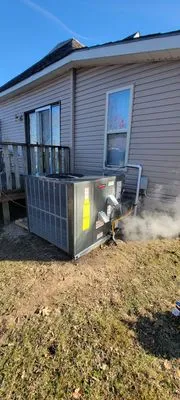
1st Choice Heating, Air and Refrigeration
1st Choice Heating, Air and Refrigeration is a locally owned and operated HVAC company serving Joplin, Missouri, and the surrounding communities. With over three decades of combined experience, our te...
Paschal Air, Plumbing & Electric
For over 50 years, Paschal Air, Plumbing & Electric has been a trusted name for Carthage families, proudly operating as a third-generation, family-led business. As a top-rated Trane dealer recognized ...
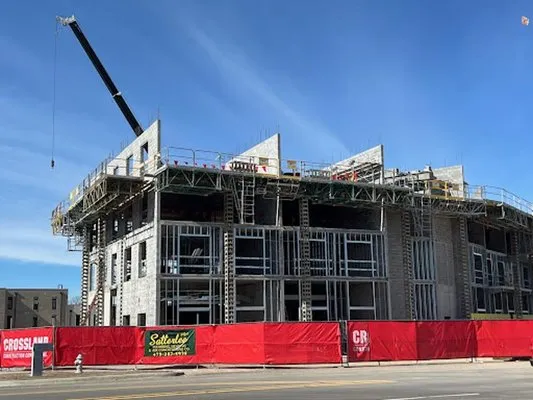
Satterlee Plumbing, Heating, and Air Conditioning
Since 1892, Satterlee Plumbing, Heating, and Air Conditioning has been a trusted partner for homes and businesses in Joplin and across southwest Missouri. Our deep local roots are matched by a compreh...
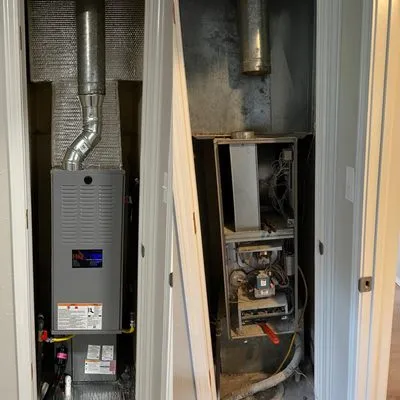
Hooten Heating & Cooling was founded in Goodman, MO by Mathew Hooten, who began his HVAC career in 2004 with a focus on customer satisfaction through dedicated service. The company has built a reputat...
Martin's Plumbing, Heating & Air
Martin's Plumbing, Heating & Air has been serving Carthage, MO since 1958, when Rev Don Martin founded the business. After his retirement in 1980, his eldest son Dennis took over until 2010, followed ...
For over six decades, Rouse Heating & Air Conditioning has been the trusted name for climate control in Joplin, MO, and throughout the four-state region. As a second-generation, family-owned business ...
Estimated HVAC Service Costs in Seneca, MO
Common Questions
What should I do if my air conditioner stops working during a Seneca heatwave?
First check your thermostat settings and circuit breakers, then call for service. From our City Center location near Seneca City Park, we can reach most homes via US-60 within 5-10 minutes. Quick response prevents secondary damage from refrigerant leaks or electrical issues. Emergency no-cool calls receive priority dispatch during peak cooling hours.
Should I consider switching from gas heat to a heat pump in Seneca?
Modern cold-climate heat pumps operate efficiently down to -5°F, making them viable for Seneca's winter lows. The 14:00-19:00 utility peak hours align with typical heating demand patterns. When paired with HEEHRA rebates, the switch from gas heat becomes economically attractive. We perform dual-fuel calculations comparing operating costs against current gas prices to determine payback periods.
Why do older HVAC systems in Seneca have more condensate drain problems?
The average Seneca home was built in 1971, making many HVAC units 55 years old. Galvanized sheet metal ductwork from that era develops microscopic rust pits that trap organic matter. Combined with our humid continental climate, this creates ideal conditions for algae to colonize drain lines. Regular maintenance becomes critical as these systems age beyond their design lifespan.
Can my older duct system handle better air filtration for pollen season?
Galvanized sheet metal with duct board typically handles MERV-13 filters if the system has adequate blower capacity. May pollen peaks and ozone risks make enhanced filtration valuable for Seneca homes. We measure static pressure before recommending upgrades—exceeding 0.5 inches water column reduces airflow and efficiency. Properly sized media cabinets maintain performance while capturing 90% of pollen particles.
How do the new 2026 SEER2 standards affect my utility bills?
The 14.3 SEER2 minimum represents a 15% efficiency gain over previous standards. At Seneca's 11-cent per kWh rate, upgrading from a 10 SEER unit saves approximately $450 annually. The Inflation Reduction Act provides up to $8,000 in HEEHRA rebates, making high-efficiency systems cost-effective. Proper sizing through Manual J calculations ensures these savings materialize in actual operation.
What does an Ecobee E1 error code mean for my Seneca HVAC system?
The E1 code specifically indicates a communication failure between your Ecobee thermostat and HVAC equipment. In Seneca's climate, this often points to wiring degradation in older homes or power surges from summer thunderstorms. The system defaults to safety shutdown to prevent component damage. Professional diagnosis identifies whether the issue lies in the thermostat, control board, or wiring before attempting repairs.
What permits and safety standards apply to new HVAC installations in Seneca?
The City of Seneca Building Department requires permits for all refrigerant system replacements. Since 2025, R-454B and other A2L refrigerants mandate specialized training and equipment due to mild flammability concerns. Installations must include leak detection sensors and emergency ventilation per ASHRAE Standard 15. We coordinate all permitting and inspections to ensure compliance with 2026 safety protocols.
Why does my air conditioner struggle on the hottest Seneca days?
Missouri's humid continental climate produces temperatures exceeding the 94°F design limit several days each summer. When outdoor temperatures climb above this threshold, even properly sized systems cannot maintain the desired 20°F delta T. R-454B refrigerant maintains better pressure-temperature relationships in extreme heat than older refrigerants. Proper attic ventilation and shade planting help reduce the cooling load during these peak conditions.
