
Top Emergency HVAC Services in Troy, MO, 63362 | Compare & Call


Peters Heating & Air Conditioning has been serving the Troy, MO community since 1955, starting as a modest tin shop in Quincy, Illinois. Founded by cousins Ralph and Charlie Peters, the company grew f...

DUCTZ of West St. Louis
DUCTZ of West St. Louis is a Troy-based HVAC and air duct cleaning specialist serving residential and commercial properties in the local area. We focus on providing reliable solutions for heating, coo...
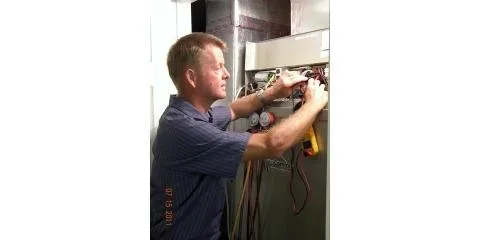
ABLE Heat & Cool is a trusted, family-owned HVAC service with over 30 years of experience serving Troy, MO, and surrounding counties. Founded on the principle of treating customers with the personal r...
316 Heating and Cooling is your trusted local HVAC expert serving Troy, MO and surrounding areas. We specialize in addressing common home heating and cooling issues that many Troy residents face, such...
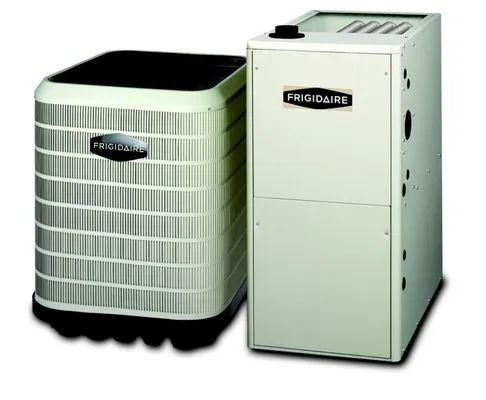
Reifel Heating & Cooling
Reifel Heating & Cooling is a family-owned HVAC business in Troy, MO, with deep roots in the industry. Founded by Mike Reifel, whose father Allan served as vice-president of engineering at Nordyne and...
J & J Heating and Cooling has been serving Troy, MO, and the surrounding communities for over a decade, providing reliable HVAC solutions tailored to local needs. Our focus is on ensuring the comfort ...

VetCo RV Repair & Service
VetCo RV Repair & Service is a mobile RV repair business based in Troy, MO, owned and operated by local military veterans. Led by owner Tony Orlando, an experienced RV technician, the company provides...
Brush's Heating & Cooling is a trusted HVAC provider serving Troy, Missouri, and surrounding counties. With over two decades of experience, they specialize in installing and repairing heating and cool...
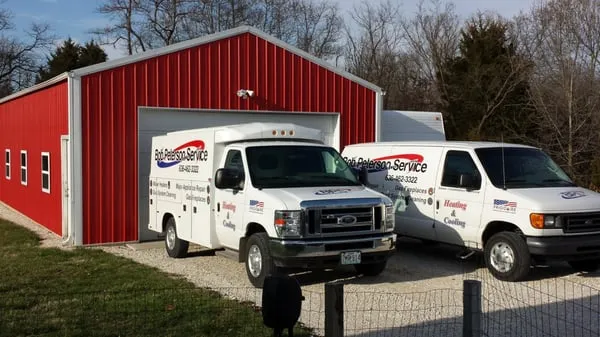
Bob Peterson Service
Bob Peterson Service is a trusted, locally-owned HVAC and water heater specialist serving Troy, MO, with over 35 years of industry experience. Founded over 15 years ago by Bob Peterson, the business h...
Menne's Heating/Cooling & Electrical
Menne's Heating/Cooling & Electrical is your trusted, local HVAC expert serving Troy, MO, and the surrounding areas. As a family-owned and operated business, we understand the urgency of an air condit...
Common Questions
Can my existing ductwork handle a high-grade filter for ozone and pollen?
Your external-wrapped galvanized sheet metal ducts are generally robust, but installing a MERV-13 filter requires a static pressure check. These ducts from the late 1990s can have restrictive elbows or collapsed flex connections that, when combined with a dense filter, may starve the blower of air. A technician should measure static pressure and often recommend sealing duct seams first. Properly done, this upgrade significantly reduces particulate from May pollen and summer ozone infiltration.
My house was built around 1997 and the AC is original. What am I up against?
A 29-year-old system is well beyond its 15-year design life. In Troy's humid climate, the primary failure for a unit this age is a complete condensate drain line blockage, caused by decades of algae and mold growth. The galvanized sheet metal ductwork in these homes often develops rust pinholes at the seams, introducing unfiltered attic air and reducing efficiency. Proactive replacement now avoids a catastrophic failure during our May pollen peak or a July ozone alert.
How does our summer heat affect modern air conditioner performance?
Troy's 92°F design temperature is the engineering baseline, but actual temperatures can exceed this for consecutive days. When outdoor temps climb above 95°F, all systems lose capacity; a properly sized unit will run continuously to maintain setpoint. The new standard R-454B refrigerant operates at higher pressure and offers slightly better efficiency in these extreme conditions compared to older R-410A, but adequate airflow from a clean coil is critical for any refrigerant to reject heat effectively.
What are the permit and safety rules for a new AC installation in 2026?
All HVAC replacements in Troy require a permit from the City of Troy Building Department. Since January 2023, new systems must use lower-GWP A2L refrigerants like R-454B, which are mildly flammable. This mandates specific safety protocols: a refrigerant leak detector must be installed in the indoor unit, and all service valves and fittings require SAE J2843 leak-check procedures. Your contractor must provide a Certificate of Compliance documenting these steps for the permit final inspection.
My AC just quit on a hot afternoon near the Lincoln County Courthouse. How fast can help arrive?
A no-cool call in Downtown Troy is a priority dispatch. A technician traveling from US-61 can typically be on-site within 5 to 10 minutes for an emergency diagnostic. The first checks will be for a tripped breaker, a clogged condensate drain triggering the safety switch, or a failed capacitor—common immediate fixes. This rapid response helps prevent moisture damage and protects indoor air quality during high-ozone events.
With gas heat, should I consider switching to a heat pump?
For Troy's humid continental climate, a cold-climate heat pump is a viable primary heat source. The key is selecting a model rated for full capacity at our winter lows, around 15°F. The IRA tax credit of up to $2,000, combined with Cuivre River Electric's rebate, makes the initial cost comparable to a new AC/furnace pair. To maximize savings, set the heat pump to handle heating until the late evening peak hours (2 PM to 8 PM), letting the more expensive electric auxiliary heat only engage if needed overnight.
My Ecobee thermostat is showing an E1 alert. What's wrong?
An Ecobee E1 code indicates the thermostat is not detecting voltage from the equipment, often pointing to a safety lockout. In Troy's high humidity, the most common trigger is a blocked primary condensate drain causing the overflow safety switch to open. First, check and clear the PVC drain line at the indoor unit. If the alert persists, it could signal a failed control board or a refrigerant pressure switch tripping due to low charge—issues that require a technician with tools for R-454B recovery.
What does the new 14.3 SEER2 minimum mean for my electricity bill?
The 2026 SEER2 standard reflects a stricter testing protocol for real-world performance. For a typical 3-ton system in Troy, upgrading from a 10 SEER unit to a new 16 SEER2 model at Cuivre River Electric's $0.11/kWh rate can save approximately $450 annually. The federal Inflation Reduction Act provides a tax credit up to $2,000, and when paired with the local utility rebate of $300-$500, the net cost of a high-efficiency unit becomes very competitive.
