
Top Emergency HVAC Services in Washington, MO, 63090 | Compare & Call

There are 65 hvac companies server in Washington MO
Mid-State Mechanical is a locally owned and operated HVAC contractor proudly serving Lake Saint Louis and the surrounding communities since 2014. Founded by Paul, who brings over 35 years of hands-on ...
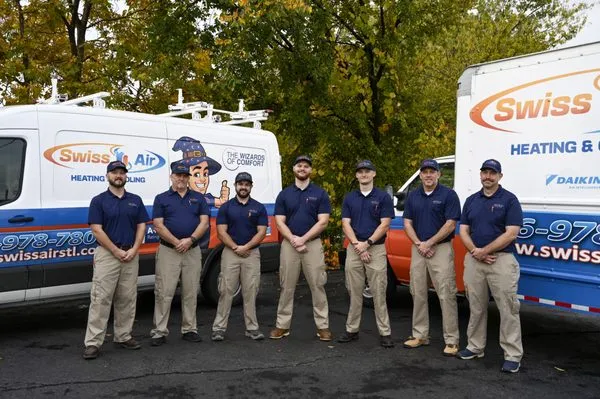
Swiss Air Heating & Cooling
Swiss Air Heating & Cooling has been a trusted HVAC contractor serving St. Charles and St. Louis counties since 1989, starting humbly as A&A Services. With an unwavering commitment to integrity and cl...
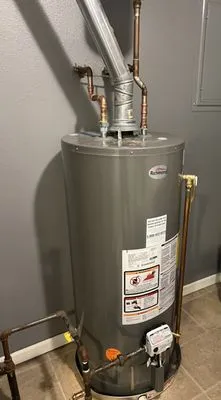
WD Heating & Cooling
WD Heating & Cooling is your trusted local HVAC and water heater specialist serving O'Fallon, MO. We specialize in installation, repair, and maintenance for both heating and cooling systems, as well a...
Schraer Heating and Air Conditioning
Schraer Heating and Air Conditioning has been a trusted name in Warrenton, MO, and surrounding areas since 1946, when Omar Schraer began building and installing furnaces locally. In 1994, Gary Scott a...
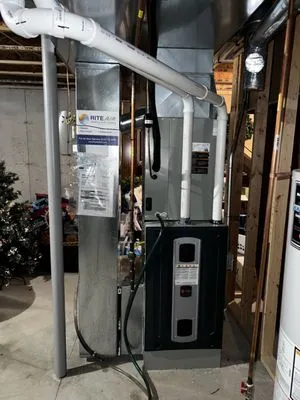
RiteAir Heating & Cooling is a trusted, full-service HVAC company based in Foristell, MO, serving the St. Louis metro area and surrounding Missouri and Illinois communities. As a certified Trane deale...
Bryan Mechanical
Bryan Mechanical is a trusted, full-service provider for O'Fallon, MO homeowners, specializing in heating, cooling, water heaters, and fireplaces. We understand the specific comfort challenges faced i...
Loyd Heating and Cooling is a locally owned and operated HVAC company serving Saint Louis, MO. Founded by a St. Louis native with years of industry experience, we specialize in heating and cooling sys...
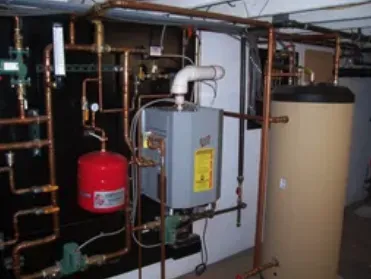
Crabtree Heating & Cooling is a family-operated HVAC service provider in Wright City, MO, with over 40 years of experience serving residential and commercial clients. Specializing in heating, cooling,...
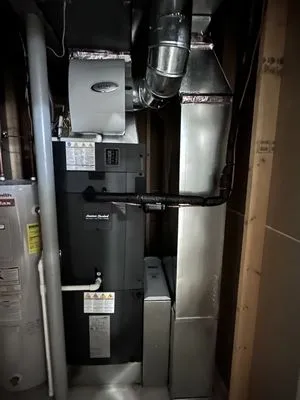
Hoock's Heating & Cooling is a family-owned HVAC business serving Wentzville and the Dardenne Prairie area. Established in 2017, we focus on providing reliable heating and cooling solutions for local ...

Peters Heating & Air Conditioning has been serving the Troy, MO community since 1955, starting as a modest tin shop in Quincy, Illinois. Founded by cousins Ralph and Charlie Peters, the company grew f...
Estimated HVAC Service Costs in Washington, MO
Question Answers
Why do older HVAC systems in Washington, MO homes seem to fail more often?
The average Washington home was built in 1978, making many HVAC systems around 48 years old. Galvanized steel ductwork from that era develops micro-leaks and corrosion over decades. This aging infrastructure, combined with our humid continental climate, creates ideal conditions for condensate drain clogs. The constant moisture exposure causes biological growth and mineral buildup that restricts drainage.
How do the new 2026 efficiency standards affect my cooling costs in Washington?
The 14.3 SEER2 minimum requirement represents a 15% efficiency improvement over previous standards. At Washington's 0.13/kWh electricity rate, this translates to approximately $180 annual savings on a typical 3-ton system. The Inflation Reduction Act provides up to $8,000 in heat pump rebates, making high-efficiency replacements more accessible. Proper sizing using Manual J calculations ensures these savings materialize in actual operation.
Should I consider switching from gas heat to a heat pump in Washington, MO?
Washington's climate supports heat pump operation for most of the heating season. The 13:00-19:00 utility peak hours align with typical heating demand patterns. Modern cold-climate heat pumps maintain efficiency down to 5°F, covering most Washington winters. Combined with the $8,000 IRA rebate and Ameren Missouri's $200-$1,000 incentives, the economics increasingly favor heat pumps over traditional gas systems for year-round comfort.
How does Washington's summer heat affect modern air conditioning performance?
Washington's 92°F design temperature represents the peak condition systems are engineered to handle. Actual temperatures often exceed this, creating a performance gap where capacity decreases. R-454B refrigerant maintains better efficiency at high temperatures than older refrigerants. Proper system sizing accounts for this gap, ensuring adequate cooling during the hottest days without excessive cycling during milder conditions.
Can my Washington home's existing ductwork handle better air filtration?
Galvanized steel ductwork from 1978-era homes often struggles with MERV-13 filters due to increased static pressure. Washington's April pollen peak and ozone risk make improved filtration valuable, but retrofitting requires assessment. A static pressure test determines if your system can accommodate higher MERV ratings without reducing airflow. Sometimes adding a dedicated air cleaner provides better results than forcing existing ductwork beyond its design limits.
What should I do if my air conditioning stops working during a Washington heatwave?
First check your thermostat settings and circuit breakers. If those are normal, call for service immediately. From Washington City Park, technicians can reach most Downtown Washington locations via MO-100 within 5-10 minutes. Quick response prevents heat buildup that stresses older components and reduces indoor air quality degradation during extended outages.
What does an Ecobee E1 error code mean for my Washington home's HVAC system?
An Ecobee E1 alert indicates the thermostat has lost communication with your HVAC equipment. In Washington's humid environment, this often signals condensate drain issues triggering safety switches. The high humidity accelerates biological growth in drain lines, creating blockages that activate float switches. Addressing this promptly prevents water damage and maintains proper dehumidification during cooling operation.
What permits and safety standards apply to new HVAC installations in Washington?
All HVAC installations in Washington require permits from the City of Washington Building Department. The 2026 standards mandate specific safety protocols for R-454B refrigerant, classified as an A2L mildly flammable refrigerant. These include leak detection systems, proper ventilation in equipment rooms, and technician certification requirements. Compliance ensures safe operation while maintaining system efficiency and environmental benefits.
