
Top Emergency HVAC Services in Waynesville, MO, 65583 | Compare & Call

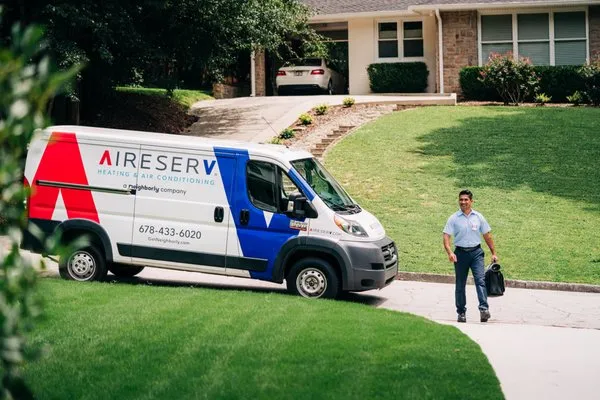
Aire Serv of Mid Missouri
Aire Serv of Mid Missouri is your locally owned and operated HVAC specialist serving Waynesville, Saint Robert, Rolla, and Lebanon. Our team of professional technicians is dedicated to getting your he...
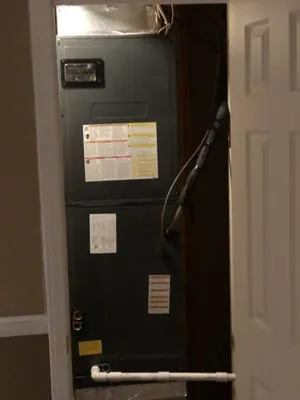
All In One Heating and Air Conditioning is your trusted local HVAC expert in Waynesville, MO. We specialize in keeping your home's heating and cooling systems running reliably year-round. We understan...

Rivard Heating And Cooling is a trusted HVAC company serving Waynesville, MO, and the surrounding areas. Specializing in heating and air conditioning services, we help local homeowners tackle common H...
For over 20 years, Hicks Services has been the trusted, family-owned heating and air conditioning partner for Waynesville and all of Pulaski County. We specialize in the repair and installation of res...
Beasley's Heating & Cooling is a trusted local HVAC company serving Waynesville, MO, and the surrounding area. We understand that many homes here face common issues like reduced efficiency from clogge...
Climate Control Services is your trusted local HVAC expert in Waynesville, MO. We understand the common challenges homeowners face, such as smart thermostat malfunctions and blower motor failures that...
Fields Gas & Heating is Waynesville's trusted HVAC specialist, dedicated to keeping local homes comfortable year-round. We understand that homeowners here often face frustrating issues like heat pump ...
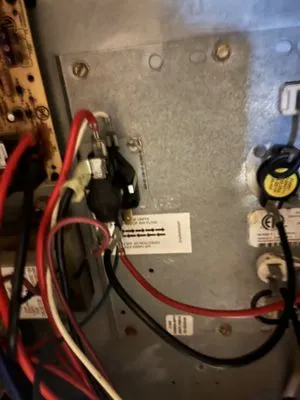
HVAC and Moore is a trusted, veteran-owned and operated home service provider serving Waynesville and the surrounding communities. For over a decade, we've built our reputation on reliability and expe...
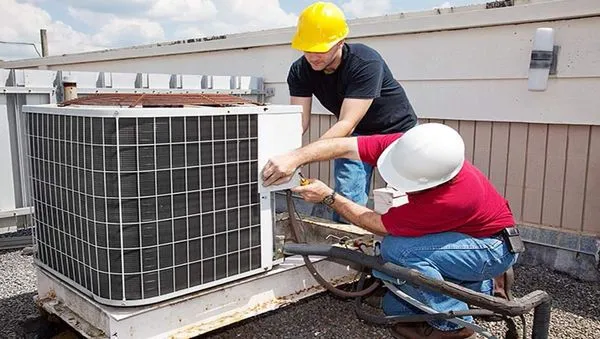
Arctic Heating & Cooling is Waynesville's trusted HVAC specialist, dedicated to keeping local homes comfortable year-round. We understand that common issues like thermostat malfunctions and clogged ai...
Aire Serv
Aire Serv in Waynesville, MO, is your trusted local HVAC specialist, providing reliable heating, cooling, and water heater services to keep your home comfortable year-round. We understand the common i...
Frequently Asked Questions
How well will a new air conditioner handle our hottest summer days?
Waynesville's design temperature for HVAC sizing is 92°F, though actual peaks can exceed this. Proper sizing via a Manual J load calculation is essential to ensure capacity without short-cycling. Modern units using the standard R-454B refrigerant maintain stable pressure and efficient heat transfer even during extended periods above the design limit, providing more reliable cooling than older R-22 systems during heat waves.
My AC just quit on a hot afternoon near Roubidoux Park—what should I do?
First, check your home's main electrical panel for a tripped breaker and ensure your thermostat has power. For a complete no-cool emergency in the Downtown area, a technician stationed near I-44 can typically reach you within 5 to 10 minutes. This rapid response is key to diagnosing issues like a failed capacitor or refrigerant loss before the indoor temperature rises significantly.
My Ecobee thermostat is showing an 'E1 - No power to R wire' alert. What's wrong?
The E1 code indicates a loss of 24-volt control power from your HVAC system. In Waynesville, this is commonly triggered by a safety switch—like the one in your condensate drain pan—tripping due to a clog from our high humidity. It could also signal a failed transformer or a tripped float switch. This alert prevents system operation to avoid water damage, requiring a technician to clear the blockage and reset the circuit.
Can I use a better air filter to help with Ozark ozone and spring pollen?
Yes, upgrading to a MERV-13 filter can capture fine pollen particles and some ozone precursors. However, your existing galvanized sheet metal ductwork with external wrap must be evaluated for static pressure. Older duct systems are often restrictive, and a high-MERV filter can overload the blower motor, reducing airflow and efficiency. A technician should perform a static pressure test before making the change.
What does the new 14.3 SEER2 minimum efficiency standard mean for my utility bill?
The 2026 SEER2 standard ensures new systems use less electricity for the same cooling output. With Laclede Electric Cooperative rates around $0.13 per kWh, upgrading from an old 8 SEER unit to a modern 16 SEER2 system can cut cooling costs by nearly half. The active Inflation Reduction Act rebates, with caps up to $8,000, directly offset the higher upfront cost of these efficient units, improving the payback period.
What are the permit and safety rules for a new AC installation in 2026?
All installations in the City of Waynesville require a permit from the Building and Zoning Department. As of 2026, new systems using A2L refrigerants like R-454B must comply with updated safety standards (UL 60335-2-40). These rules mandate specific leak detectors, service access, and signage due to the refrigerant's mild flammability. Using a licensed contractor ensures the installation meets these codes for safe, long-term operation.
Why does my old air conditioner in my Waynesville home keep having drain line problems?
Homes in Downtown Waynesville from the late 1970s often have original systems. A unit from that era is about 48 years old, and the constant high humidity here accelerates biological growth inside the condensate drain line. This clogs the line, which is the most common failure point. Regular annual maintenance to clear this line is critical for preventing water damage and system shutdowns in our climate.
Is switching from my gas furnace to a heat pump a good idea here?
For many Waynesville homes, a dual-fuel system pairing a heat pump with a gas furnace is optimal. The heat pump handles moderate winter temperatures and summer cooling efficiently, especially if you avoid running it during the 2 PM to 7 PM peak utility hours. The existing gas furnace provides cost-effective heat during the coldest nights, ensuring comfort and managing operating costs effectively year-round.
