
Top Emergency HVAC Services in West Plains, MO, 65775 | Compare & Call

Current
Current Inc., proudly owned and operated by Danny and Stefanie Thomas, is a trusted local provider in West Plains, MO. Danny’s journey with the company began right out of college, where he worked his ...

A/C Heating & Air is your trusted West Plains, MO, HVAC specialist, dedicated to keeping local homes and businesses comfortable year-round. We understand the unique challenges our community faces, esp...
Clif's Heating and Air is a trusted, locally-owned HVAC company serving West Plains, MO, and the surrounding Ozarks. We understand the unique challenges local homeowners face, especially concerning po...
At Progressive AC and Refrigeration, we believe comfort in your West Plains home should be simple and reliable. We understand that HVAC technology can feel complex, which is why our approach is center...
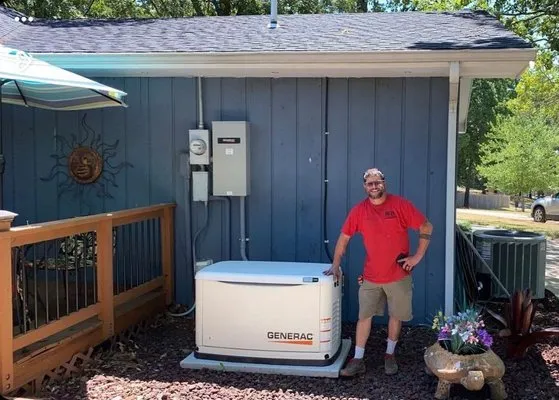
Butler Heating & Air is a trusted, family-owned HVAC provider serving West Plains, MO, and the surrounding communities since 1994. With deep roots in the area, we understand the specific comfort and e...
Verity Heating & Air is a trusted, family-owned HVAC contractor serving West Plains and the surrounding Ozarks. We understand the unique challenges local homeowners face, especially with aging HVAC sy...
Wood Mechanical is a trusted HVAC contractor serving West Plains, MO, and the surrounding counties. We specialize in providing reliable heating and air conditioning solutions for both residential and ...
Viking Group of Companies
The Viking Group of Companies is your trusted, full-service contractor based right here in West Plains. We bring a comprehensive approach to home and business improvement, specializing in HVAC, electr...
Frequently Asked Questions
Should I switch from electric resistance heat to a heat pump in West Plains?
Heat pumps provide efficient heating down to about 15°F, which covers most West Plains winter conditions. During utility peak hours from 14:00-19:00, heat pumps operate at 200-300% efficiency compared to electric resistance heating's 100% efficiency. The HEEHRA rebate program makes this transition economically viable by offsetting installation costs. For the few sub-15°F days each winter, modern systems include auxiliary heat strips that engage automatically, ensuring consistent comfort throughout all seasonal temperature ranges.
What permits and safety standards apply to new AC installations in West Plains?
All HVAC installations in West Plains require permits from the City of West Plains Building Inspections Department, with specific requirements for A2L refrigerant systems using R-454B. The 2026 safety standards mandate leak detection systems, emergency ventilation, and refrigerant charge limits for occupied spaces. Technicians must hold EPA Section 608 certification with specific A2L endorsements. These regulations address R-454B's mild flammability characteristics while maintaining the refrigerant's superior efficiency and lower global warming potential compared to previous alternatives.
What does an Ecobee E1 error code mean for my West Plains HVAC system?
An Ecobee E1 alert indicates the thermostat has lost communication with your HVAC equipment for over 5 minutes. In West Plains homes, this often signals power interruptions at the air handler or control board failures exacerbated by humidity fluctuations. The diagnostic protocol involves checking 24V transformer output, control wiring continuity, and safety switch positions. Since this error prevents normal system operation, addressing it promptly prevents secondary issues like frozen evaporator coils during cooling cycles or inadequate heating during temperature drops.
Why do so many West Plains AC systems fail around the 20-year mark?
The average home in West Plains was built around 1978, making many HVAC systems approximately 48 years old in 2026. This advanced age, combined with our humid continental climate, accelerates condenser coil corrosion through oxidation. Galvanized sheet metal ductwork from that era often develops micro-fissures that introduce moisture into the system. These factors create a perfect storm for refrigerant leaks and compressor failures that typically manifest after two decades of service.
Why does my AC struggle when temperatures hit the mid-90s in West Plains?
HVAC systems in West Plains are designed for 93°F outdoor temperatures based on historical climate data. When actual temperatures exceed this design limit, system capacity decreases approximately 1% per degree Fahrenheit above 93°F. The R-454B refrigerant now standard in 2026 installations maintains better pressure-temperature relationships in extreme heat compared to older R-410A systems. Proper sizing through Manual J load calculations accounts for this performance gap, ensuring adequate cooling even during our hottest summer days.
What should I do if my air conditioning stops working during a Downtown West Plains heatwave?
First, check your circuit breaker and thermostat settings to rule out simple electrical issues. For persistent no-cool situations, technicians based near Butler Children's Park can typically reach Downtown West Plains homes within 5-10 minutes via US-63. This rapid response time is critical during peak cooling demand when system failures can cause indoor temperatures to rise 2-3 degrees Fahrenheit per hour. Emergency dispatch prioritizes homes with vulnerable occupants during extreme weather events.
Can my older duct system handle better air filters for pollen and ozone protection?
Galvanized sheet metal ductwork from 1970s West Plains homes generally supports MERV-13 filters if the system has adequate blower capacity. However, static pressure testing is essential before upgrading filtration—excessive pressure drop can reduce airflow by 15-20% and strain older motors. For May pollen peaks and ozone risk days, a properly sized MERV-13 filter captures 85% of pollen particles while maintaining necessary airflow. Consider adding a separate air purifier for spaces where duct modifications aren't feasible.
How much will a new SEER2 system actually save me on my electric bill?
The 2026 federal mandate requires all new installations to meet at least 14.3 SEER2 efficiency standards. At West Plains' current 0.11/kWh electricity rate, upgrading from a 10 SEER unit to a 16 SEER2 system typically reduces cooling costs by 30-40%. The Inflation Reduction Act's HEEHRA program provides rebates up to $8,000 for qualifying heat pump installations, which often covers 30-50% of total project costs. This combination of higher efficiency standards and substantial rebates makes 2026 an optimal year for system replacements.
