
Top Emergency HVAC Services in Crystal Springs, MS, 39059 | Compare & Call

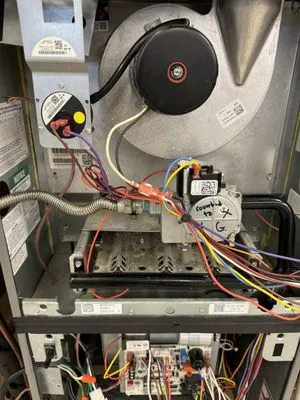
At Porter AC in Crystal Springs, MS, we provide clear and reliable HVAC services. Our approach starts with a thorough diagnostic check of your entire system, giving you a detailed written report so yo...
Magnolia Service is a locally owned and operated HVAC company in Crystal Springs, MS, founded on decades of expertise. After years specializing in complex commercial systems, our founder decided to br...

A C Designs, INC is a trusted heating, air conditioning, and general contracting firm serving Crystal Springs, MS, and the surrounding area. We understand the specific challenges local homeowners face...
Townsend & Snider Heating & Air Conditioning
Townsend & Snider Heating & Air Conditioning is your trusted local HVAC expert in Crystal Springs, MS. For years, we've helped homeowners tackle the unique climate challenges of our area, particularly...
Hinton Heat and AC is a Crystal Springs-based HVAC business built on a foundation of extensive technical experience and a genuine commitment to the community. With nearly two decades of background as ...
Norwood Properties and Renovations
Norwood Properties and Renovations is your trusted, full-service contractor in Crystal Springs, MS, specializing in electrical, plumbing, and lighting. We help local homeowners and businesses maintain...
Porter AC Repair is your trusted local HVAC specialist in Crystal Springs, MS, dedicated to keeping homes comfortable year-round. We understand the unique climate challenges our community faces, inclu...
FAQs
My Ecobee thermostat is showing an E4 alert—what does that mean here?
An Ecobee E4 alert specifically indicates the thermostat has lost communication with your HVAC equipment. In Crystal Springs, this is often traced to a safety switch interruption, commonly from a clogged condensate drain line due to our high humidity. The alert prevents the system from starting to avoid water damage. Check the drain pan for overflow first; if it's dry, the issue could be a tripped float switch, a blown low-voltage fuse on the air handler, or a wiring fault that requires professional diagnosis.
What does the new 14.3 SEER2 minimum mean for my electric bill?
The 2026 SEER2 standard reflects updated testing that better represents real-world performance. For a typical 3-ton system in Crystal Springs, upgrading from a pre-2023 unit to a new 16+ SEER2 model can reduce annual cooling energy use by roughly 15-20%. At Entergy Mississippi's rate of $0.11 per kWh, this translates to meaningful savings. The federal Inflation Reduction Act rebate, with an $8,000 cap, can directly offset a significant portion of the upgrade cost, improving the payback period.
Are there new permit or safety rules for a 2026 AC installation?
Yes. All installations using A2L refrigerants like R-454B, which is now standard, must comply with updated 2026 safety codes. These require specific leak detectors, revised electrical classifications for equipment rooms, and updated pipe brazing procedures. A permit from the City of Crystal Springs Building Department is mandatory to ensure compliance. Using a licensed contractor is non-negotiable, as they are trained in handling these mildly flammable refrigerants and will secure the proper inspections to validate a safe, code-compliant installation.
Should I switch my electric furnace for a heat pump in Crystal Springs?
Given our mild winters and your electric heat, a heat pump is a highly efficient alternative. It provides both heating and cooling using significantly less energy than standard electric resistance heat. To maximize savings, select a model with a high Heating Seasonal Performance Factor (HSPF) and utilize it during off-peak hours outside Entergy's 2 PM to 7 PM window. The federal tax credits and rebates make this transition financially advantageous, reducing both installation cost and long-term operating expenses.
Why is my 47-year-old HVAC system in Crystal Springs so unreliable?
A system installed around 1979 has exceeded its design life. The fiberboard and flex ductwork common to that era degrades, losing insulation and creating leaks that strain the equipment. In our humid climate, this aged infrastructure is especially prone to condensate drain line clogs, as accumulated organic growth finds ample surface area in older, rougher drain pans and lines. This frequent clogging is a primary failure point that signals the entire system is operating beyond its intended service window.
How well does a new AC handle our summer heat above 93 degrees?
Air conditioners are sized based on a 93°F design temperature, meaning they are engineered to maintain a 20-degree indoor temperature differential at that outdoor condition. On days that exceed 93°F, which are common, the system will run continuously and may not keep the home at the desired setpoint. Modern units using R-454B refrigerant are designed for higher efficiency and better capacity retention in these extreme temperatures compared to older R-410A systems, but proper sizing via a Manual J load calculation remains critical to avoid underperformance.
My AC just quit on a hot day in Downtown Crystal Springs—can someone get here fast?
Yes. A no-cool emergency in your neighborhood gets a priority dispatch. Our techs are familiar with the routes from Chautauqua Park and use I-55 for direct access, ensuring a technician is typically on-site within 5 to 10 minutes of your call. The first steps on arrival are to check for a tripped breaker or a clogged condensate safety switch, two common and often quickly resolved issues that can halt cooling instantly.
Can my old ducts handle a better air filter for spring pollen and ozone?
Your existing fiberboard and flex duct system may struggle with the static pressure of a high-MERV filter. While a MERV-13 filter is excellent for capturing April pollen and mitigating ozone-related particulates, it can restrict airflow in aged ductwork. This restriction forces the blower motor to work harder, potentially causing premature failure and reducing cooling capacity. A technician should measure static pressure before upgrading filtration; duct sealing or modifications are often necessary to support healthier indoor air quality effectively.
