
Top Emergency HVAC Services in Bozeman, MT, 59715 | Compare & Call

Premier Systems
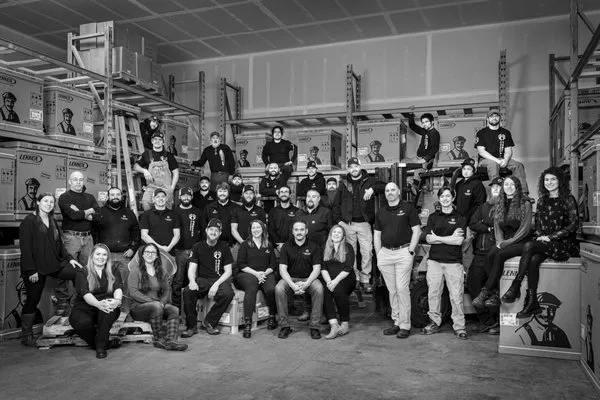
Premier Systems in Bozeman, MT, is a trusted local provider of heating, cooling, and plumbing services, founded in 2014 with roots in the industry dating back to 2003. Our team brings extensive experi...
Ambient Air Solutions
Founded in 2009 during the recession, Ambient Air Solutions was built on a simple promise: to be the local, trustworthy HVAC partner Bozeman could count on. Starting with core maintenance and repair, ...

Mountain Heating and Cooling, formerly Mountain Sheet Metal, has been a trusted family-owned HVAC provider in Bozeman since 1977. With over 38 years of experience, our certified technicians specialize...
Rassler Heating & Air Conditioning
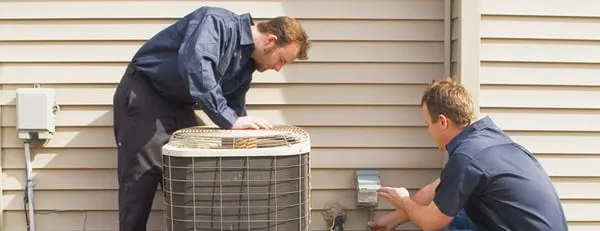
Rassler Heating & Air Conditioning is a trusted, locally-owned and family-operated business serving Bozeman homes and businesses for over three decades. We provide reliable solutions for all your heat...
Bridger Heating & Cooling is a locally-owned HVAC company serving Bozeman, MT, and the surrounding areas. Founded by Brian Gertiser and now under new ownership since 2019, our mission has always been ...
Air Controls in Bozeman is your reliable local partner for heating and air conditioning needs. We specialize in the installation, repair, and maintenance of both residential and commercial HVAC system...
BPH Mechanical is a trusted local plumbing and HVAC company serving Bozeman, MT, and the surrounding communities. We understand that a reliable plumbing system is essential for your daily life, from c...
Harvey's Plumbing and Heating
Harvey's Plumbing and Heating has been a trusted plumbing and mechanical contractor in Bozeman since 1979, specializing in plumbing, heating, and HVAC services. The company provides comprehensive solu...

Benjamin Heating and Cooling is your local, dedicated HVAC partner serving Bozeman and the entire Gallatin Valley. We provide professional heating and air conditioning services for both homes and busi...
Excel Plumbing & Heating
Excel Plumbing & Heating LLC is a Bozeman-based company specializing in comprehensive plumbing, heating, and HVAC solutions for both homes and businesses. We provide reliable troubleshooting and repai...
Questions and Answers
How do Bozeman's summer temperatures affect HVAC system performance?
Bozeman's summer highs can reach the mid-90s, exceeding the 87°F design temperature used for most residential HVAC sizing. This temperature gap means systems operate at maximum capacity for extended periods, reducing efficiency and increasing wear. Modern R-454B refrigerant systems maintain better performance in these conditions due to their lower global warming potential and improved heat transfer characteristics compared to older R-410A systems. Proper Manual J load calculations account for this design temperature difference to prevent undersizing.
My HVAC system seems to be struggling more each year. How old is the typical system in Bozeman homes?
The average HVAC system in Bozeman homes is approximately 29 years old, calculated from the 1997 average build year to 2026. Systems of this age often develop refrigerant leaks and reduced efficiency due to worn components. In Bozeman's climate, these aging systems are particularly prone to frozen evaporator coils because extreme temperature fluctuations between day and night cause refrigerant pressure imbalances. The thermal stress on 29-year-old copper lines and expansion valves accelerates this failure mode.
If my air conditioning fails during a hot afternoon in the Bozeman Historic District, how quickly can a technician arrive?
A technician can typically reach the Bozeman Historic District within 10-15 minutes from our service center near Bogert Park. We monitor traffic patterns on I-90 to optimize routing during peak hours. For emergency no-cool calls, we prioritize same-day dispatch with diagnostic equipment pre-loaded. This response time ensures we can address refrigerant leaks or compressor issues before they cause secondary damage to your system.
What permits and safety standards apply to new HVAC installations in Bozeman?
All HVAC installations in Bozeman require permits from the City of Bozeman Building Inspection Division, with specific requirements for A2L refrigerant systems like R-454B. The 2026 safety standards mandate leak detection systems, ventilation requirements in equipment rooms, and proper labeling for flammable refrigerants. Technicians must hold EPA Section 608 certification with additional A2L safety training. These regulations ensure safe handling of modern refrigerants while maintaining system efficiency and reliability.
Should I consider switching from gas heat to a heat pump in Bozeman's climate?
Modern cold-climate heat pumps operate efficiently in Bozeman's winter lows, with many models maintaining full capacity down to -5°F. The economic case strengthens when considering NorthWestern Energy's high-efficiency rebates of $300 to $800 and the IRA's $8,000 cap for qualified installations. Since Bozeman's utility peak hours occur from 5:00 PM to 9:00 PM, a properly sized heat pump with thermal storage or load management can significantly reduce operating costs compared to gas heating during these periods.
My Ecobee thermostat shows an E116 error code. What does this mean for my Bozeman home?
The Ecobee E116 alert indicates a refrigerant pressure issue, typically from low charge or restricted flow. In Bozeman's climate, this often results from the extreme temperature fluctuations between daytime heating and nighttime cooling causing refrigerant migration. The error triggers before complete system failure, allowing preventive maintenance. We recommend immediate attention as continued operation with this fault can lead to compressor damage, particularly problematic during temperature swings common in our area.
What efficiency standards apply to new HVAC installations in Bozeman for 2026?
All new central air conditioning systems installed in Bozeman must meet the 13.4 SEER2 minimum efficiency standard mandated for 2026. At Bozeman's current electricity rate of $0.13 per kWh, upgrading from a 10 SEER to a 16 SEER2 system can save approximately $180 annually on cooling costs. The Inflation Reduction Act's HEEHRA rebate provides up to $8,000 toward qualifying high-efficiency installations, making the payback period particularly favorable in our market.
How can I improve indoor air quality during Bozeman's wildfire season and pollen peaks?
During June pollen peaks and wildfire PM2.5 events, upgrading to MERV-13 filtration provides effective particle capture down to 0.3 microns. Most Bozeman homes with galvanized sheet metal ductwork can handle MERV-13 filters without significant static pressure issues, provided the system has adequate blower capacity. We recommend measuring static pressure before installation, as some older systems may require duct modifications or ECM blower upgrades to maintain proper airflow with higher-efficiency filtration.
