
Top Emergency HVAC Services in Blowing Rock, NC, 28605 | Compare & Call

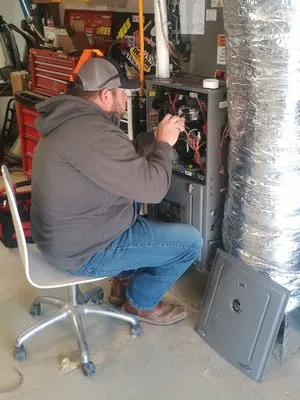
Zanes Heating and Air is a trusted, local HVAC contractor serving the Blowing Rock, NC community. Understanding the unique challenges of our mountain climate, we specialize in diagnosing and resolving...
Frequently Asked Questions
Should I consider switching from propane heat to a heat pump in Blowing Rock?
Given Blowing Rock's climate and propane costs, a cold-climate heat pump is a viable primary heat source. Modern units maintain high efficiency down to 5°F, covering most winter conditions. To maximize savings, operate the heat pump during off-peak utility hours (outside 7-10 AM and 5-9 PM) and use the existing propane furnace as a cost-effective backup during the coldest nights or peak rate periods.
Can my home's ductwork support better air filters for wildfire smoke and pollen?
Many homes here use insulated flexible duct with sheet metal plenums, which can handle a moderate increase in filter density. For May pollen peaks and regional PM2.5 from wildfires, a MERV-13 filter is ideal. However, installing one without a professional static pressure test is not recommended, as it can restrict airflow and cause the system to overheat or freeze the coil, negating the air quality benefit.
What should I do if my heat stops working on a cold night in Downtown Blowing Rock?
First, verify your thermostat is set to heat and check for a tripped breaker. If the system remains off, a prompt service call is advised. From our location near the Blowing Rock Memorial Park, we can typically dispatch a technician via US-321 to reach most downtown addresses within a 5 to 10-minute window, even during winter conditions, to restore heat and prevent potential freeze damage.
Why do so many older homes in Blowing Rock have HVAC problems?
The average Blowing Rock home was built around 1979, meaning the original HVAC system could now be 47 years old. At this age, components like capacitors and contactors are well beyond their service life. This contributes significantly to failures like frozen evaporator coils, as worn parts and aged refrigerant lines struggle to manage the high humidity and rapid temperature swings common at this elevation.
Is it worth replacing my old AC unit to meet the new 2026 standards?
The federal minimum efficiency is now 14.3 SEER2. Replacing a 10 SEER unit with a modern 18 SEER2 system can reduce cooling electricity use by nearly 40%. With Blue Ridge Energy rates at $0.13 per kWh, this creates meaningful savings. The active Inflation Reduction Act rebates, with a cap of $8,000, substantially lower the upfront cost, making a high-efficiency upgrade a strong financial decision.
What are the permit and safety requirements for a new AC installation?
All HVAC replacements in Blowing Rock require a permit from the Town of Blowing Rock Planning and Inspections Department. Since January 2025, new residential systems must use lower-GWP A2L refrigerants like R-454B. These mildly flammable refrigerants mandate specific installation practices, leak detection systems, and updated equipment room signage per updated building codes. Using a licensed contractor ensures compliance with these 2026 safety standards.
My Ecobee thermostat is showing an E1 error. What does this mean?
An Ecobee E1 alert indicates the thermostat has lost communication with your HVAC equipment. In Blowing Rock, this is often caused by a safety switch tripping due to a frozen evaporator coil or a failed control board, not a thermostat fault. This error is a critical signal to power down the system and call for service, as continued operation with a frozen coil can lead to compressor failure and significant water damage.
Why does my AC sometimes struggle on the hottest summer days?
HVAC systems in Blowing Rock are typically sized for an 83°F design temperature. When ambient temperatures exceed this—as they increasingly do—the system must run continuously to maintain setpoint, reducing its ability to manage humidity. Modern units using R-454B refrigerant maintain better capacity and efficiency at these higher temperatures than older R-410A systems, providing more consistent comfort during peak heat.
