
Top Emergency HVAC Services in Cape Carteret, NC, 28584 | Compare & Call

There are 50 hvac companies server in Cape Carteret NC
ARS / Rescue Rooter
At ARS / Rescue Rooter in Wilmington, NC, our focus is on providing reliable, local HVAC solutions. Our team of licensed and background-checked technicians is trained to handle everything from routine...
Founded in 2009, Amazing Heating N Cooling is a Jacksonville, NC-based HVAC provider dedicated to serving the heating and air conditioning needs of Eastern North Carolina. We offer reliable installati...

Carolina Comfort Air - Jacksonville has been a trusted local HVAC resource since our founding in 2007. Born from the combined 18-year expertise of Phillip Tyler and Hank Richard, we've grown to serve ...
Coastal Home Services, Inc. - HVAC, Plumbing, and Electrical
Coastal Home Services, Inc. is your trusted, licensed local contractor for HVAC, plumbing, and electrical needs in Carteret County, NC. Based in Morehead City, our team of honest and dependable techni...
Maynor Heating & Air is your trusted, locally-owned HVAC specialist serving La Grange and the surrounding area. We understand the common frustrations La Grange homeowners face, such as uneven cooling ...

Davis Heating & AC
Davis Heating & AC LLC is your local Jacksonville, NC HVAC partner, owned and operated by lifelong resident Jay Davis. With deep roots in the community, Jay and his team bring an intimate understandin...
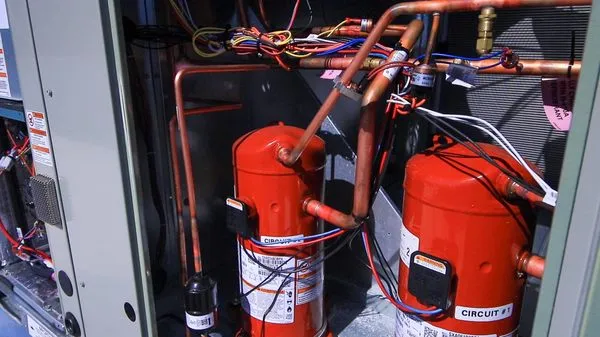
On Command Heating & Cooling is a veteran-owned HVAC provider serving Jacksonville, NC, with over eight years of dedicated experience. We specialize in comprehensive heating and air conditioning solut...
Bluebird Cooling LLC is a trusted HVAC provider serving Sneads Ferry, Jacksonville, and the broader Onslow County community. We are dedicated to delivering reliable heating and air conditioning soluti...
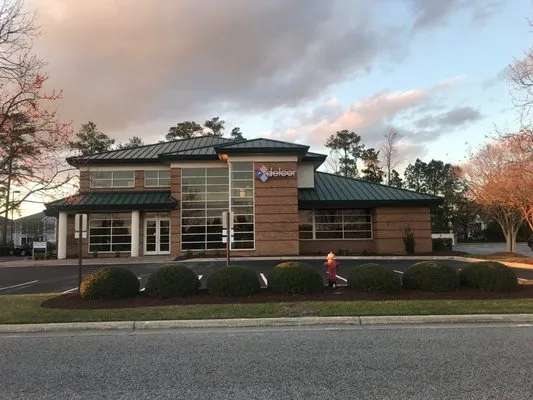
Delcor has been a trusted name in Eastern North Carolina since the 1970s, originally founded as LARMAR Mechanical Contractors by Larry H. Osborne. Now led by his sons, the family-owned business has gr...

C/A Heating and Air Conditioning
For over 30 years, C/A Heating and Air Conditioning has been the trusted, family-owned HVAC specialist for New Bern and Eastern North Carolina. We build relationships on reliability and expert service...
Estimated HVAC Service Costs in Cape Carteret, NC
FAQs
What permits and safety standards apply to new AC installations?
All HVAC installations in Carteret County require permits from the Carteret County Inspections Department, with inspections verifying proper sizing, electrical connections, and refrigerant handling. Since 2025, R-454B and other A2L refrigerants mandate specialized training and equipment due to mild flammability. Installers must follow ASHRAE Standard 15-2022 requirements for leak detection, ventilation, and system labeling. These protocols ensure safety while maximizing the efficiency benefits of modern refrigerants.
Why do so many Cape Carteret AC units fail around the 37-year mark?
The average home in Cape Carteret was built around 1989, making original HVAC systems approximately 37 years old in 2026. This age aligns with the typical lifespan of compressors and heat exchangers. Systems in Star Hill are particularly vulnerable to salt air corrosion on condenser coils, which accelerates metal fatigue and refrigerant leaks. This environmental stress, combined with decades of thermal cycling, explains why many units require replacement now.
Can my home's ductwork handle better air filtration for pollen and ozone?
Flexible insulated ducting, common in Cape Carteret homes, often has higher static pressure than rigid metal systems. While MERV-13 filters effectively capture April pollen peaks and mitigate ozone risk, they require careful evaluation of your existing blower capacity. A technician should measure static pressure before installation; excessive restriction can reduce airflow by 20% or more, diminishing cooling performance and potentially freezing evaporator coils.
Why does my AC struggle when temperatures exceed 91 degrees?
HVAC systems in Cape Carteret are designed for a 91°F outdoor temperature, based on historical weather data. When actual temperatures climb higher—as they increasingly do—the system's capacity drops while indoor heat gain rises. Modern R-454B refrigerant helps mitigate this with better high-temperature performance than older R-410A, maintaining closer to rated capacity. Proper sizing through a Manual J load calculation ensures your system can handle these peak conditions.
What does an Ecobee E4 alert mean for my Cape Carteret HVAC system?
An Ecobee E4 error specifically indicates a communication failure between your thermostat and HVAC equipment. In coastal environments like Star Hill, this often results from salt air corrosion on low-voltage wiring connections or control board terminals. The alert prevents system operation to avoid compressor damage from incorrect signals. A technician should inspect wiring integrity and control board connections, as moisture intrusion accelerates corrosion in these components.
What should I do if my AC stops cooling during a Star Hill heatwave?
First, check your thermostat settings and circuit breaker. If the system remains off, a local technician can typically reach Star Hill from the Cape Carteret Aquatic and Wellness Center via NC-58 within 5-10 minutes. This quick response time allows for same-day diagnosis of common issues like capacitor failure or refrigerant loss. Prompt service prevents further heat buildup that stresses older ductwork and electrical components.
Should I switch from electric resistance heat to a heat pump?
Heat pumps offer significant advantages for Cape Carteret's climate, where winter lows rarely challenge modern cold-climate models. During utility peak hours from 14:00 to 18:00, heat pumps operate at 200-300% efficiency compared to electric resistance heat's 100%. This reduces strain on the grid while lowering your heating costs by 50-60%. The HEEHRA rebate makes this transition economically viable, especially when paired with proper duct sealing.
How do the 2026 SEER2 standards affect my utility bills?
Federal mandates now require a minimum 14.3 SEER2 rating for new installations, which represents about a 15% efficiency gain over pre-2023 units. At Cape Carteret's current rate of $0.136 per kWh, upgrading from a 10 SEER system to a 16 SEER2 model could save approximately $450 annually on cooling. The Inflation Reduction Act's HEEHRA rebate, capped at $8,000, directly offsets this upgrade cost while Duke Energy Progress offers additional Smart Saver incentives up to $400.
