
Top Emergency HVAC Services in Elkin, NC, 28621 | Compare & Call

Commercial Air Systems
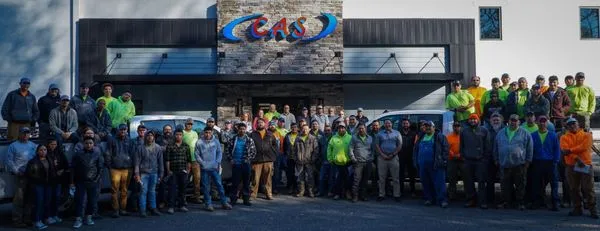
Commercial Air Systems, LLC has been a foundational part of the Piedmont Triad's industrial and commercial landscape since 2002. As a design-build mechanical and plumbing contractor, we specialize in ...

Shew's HVAC has been a trusted local name for heating and air conditioning services in Elkin and the surrounding Yadkin Valley area. We focus on reliable, straightforward solutions for your home comfo...

Associated Heating & Air Conditioning
Associated Heating & Air Conditioning is Elkin's trusted HVAC specialist, serving homeowners and businesses with reliable heating and cooling solutions. We understand the unique climate challenges in ...
Frequently Asked Questions
How does our summer heat affect air conditioner performance and the new refrigerants?
Elkin's summer highs often exceed the standard 89°F design temperature equipment is rated for, reducing system capacity and efficiency on the hottest days. The newer R-454B refrigerant, now standard, maintains stable pressure and cooling performance better than older refrigerants in these high-ambient conditions, providing more consistent comfort.
My air conditioner stopped working on a hot afternoon near Downtown Elkin. How quickly can a technician arrive?
A technician can typically be dispatched from a service area near Elkin Municipal Park within 5-10 minutes. Using I-77 for quick access, they can reach most Downtown neighborhoods rapidly to diagnose common no-cool issues like a tripped breaker or a clogged condensate drain shutting the system off as a safety measure.
My Ecobee thermostat is showing an E1 alert. What does this mean for my system?
An Ecobee E1 alert indicates the thermostat is not detecting power from the HVAC system's control board. In Elkin's humid environment, this is frequently caused by a safety switch tripping due to a clogged condensate drain line, which is a very common failure point. It can also signal a tripped breaker or a failing transformer, all of which a technician can quickly resolve.
Can my home's existing ductwork support better air filters for the ozone and pollen we get here?
Many Elkin homes have the original galvanized sheet metal ductwork with external wrap, which is generally robust. However, installing a high-MERV filter for pollen and particulate control increases static pressure. A technician should measure your system's static pressure to ensure it can handle a MERV-13 filter without restricting airflow and causing the evaporator coil to freeze.
Is switching from my gas furnace to a heat pump a good idea for an Elkin home?
For Elkin, a dual-fuel system pairing a heat pump with your existing gas furnace is often optimal. The heat pump handles moderate heating and all cooling efficiently, especially during Duke Energy's 2 PM to 6 PM peak rate periods. The gas furnace provides reliable, cost-effective heat during winter lows below freezing, ensuring comfort and managing utility costs.
What are the permit and safety requirements for a new AC installation in Elkin now?
All installations require a permit from the Elkin Planning and Inspections Department. Since 2026, systems using A2L refrigerants like R-454B must comply with updated safety codes. These mandate specific leak detectors, revised refrigerant line sizing, and clearly marked service ports. Only EPA-certified technicians following these protocols can legally handle the equipment.
What is the SEER2 requirement now, and do the new rebates make an upgrade worthwhile in Elkin?
Federal minimum efficiency is now 14.3 SEER2 for new installations. With Elkin's average electricity rate at 13 cents per kWh, a modern high-SEER2 unit significantly reduces operating costs. The active HEEHRA rebates, with caps up to $8,000, can offset a major portion of the upgrade cost, improving the payback period.
Why do so many Elkin homes need service calls for clogged condensate drain lines?
The average home in Elkin was built around 1966, meaning many HVAC units are over 15 years old. In this humid climate, older drain pans and lines are prone to microbial growth and mineral buildup. This natural accumulation from decades of operation is the primary reason for the frequent condensate drain clogs reported here.
