
Top Emergency HVAC Services in Garner, NC, 27529 | Compare & Call


Kameron Property Services
Kameron Property Services provides reliable maintenance and repair solutions for Garner homeowners and businesses. Our certified HVAC technicians specialize in diagnosing and repairing heating and coo...
Home Comfort Systems is a veteran- and locally-owned HVAC company serving Garner, NC, with over three decades of residential experience. We provide clear, reliable service for heating and cooling inst...
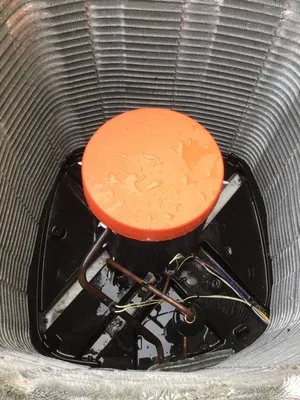
Burke’s Heating and Air is a family-run HVAC business founded in Garner by Walter Burke, who brings two decades of hands-on experience from the Raleigh area. Starting his career as an installer and la...
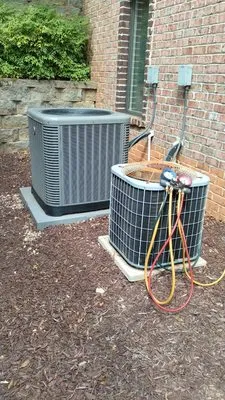
Enviro Air is a locally-owned and operated HVAC contractor serving Garner, Raleigh, and the surrounding communities. Founded in 2005 by Ryan Profitt, a family man with over two decades of industry exp...
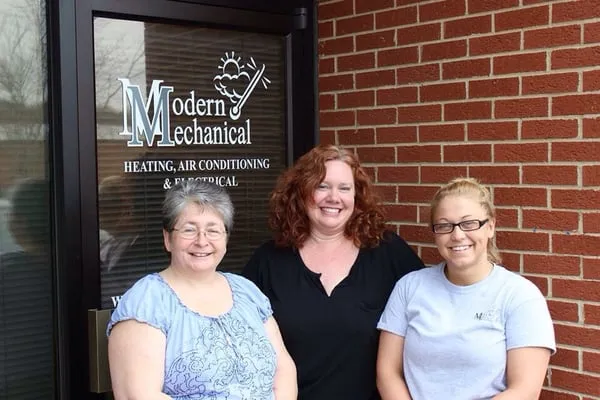
Modern Mechanical HVAC
Modern Mechanical HVAC is a family-owned business proudly serving Garner, NC, and the surrounding communities since 2007. Founded on a commitment to quality and integrity, we are a small, handpicked t...
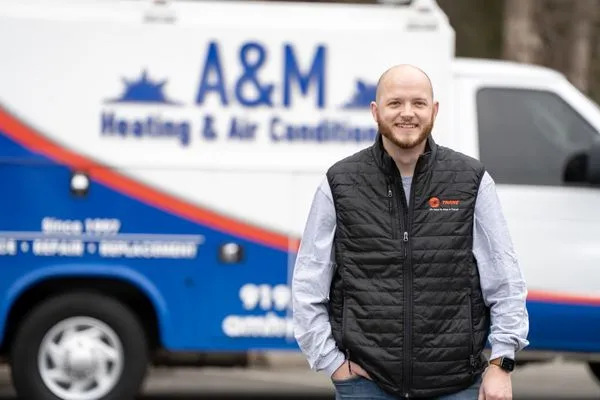
A & M Heating And Air Conditioning
A & M Heating And Air Conditioning is your trusted local HVAC partner in Garner, NC. We specialize in professional HVAC installation, repair, and maintenance services designed to keep your home comfor...
R & S Mechanical is a locally-owned HVAC and refrigeration company serving Garner, NC, and surrounding areas since 2003. Founded by Sandy, who is passionate about ensuring customer comfort, the compan...
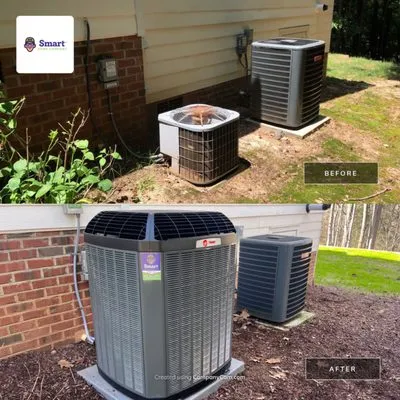
Smart Home Comfort provides reliable heating and cooling services to homeowners in Garner and across the Triangle area. With over 18 years of experience, our focus is on thorough HVAC maintenance, pre...
Gamble Plumbing
Gamble Plumbing is a family-owned and operated plumbing, heating, and air conditioning service based in Garner, NC. Founded with a commitment to honest, reliable work, we have been the trusted local c...

Rudd's HVAC is a locally owned and operated HVAC contractor serving Garner and the surrounding North Carolina communities. As a licensed and insured company, we focus on providing reliable heating and...
Q&A
How does Garner's summer heat affect modern air conditioning performance?
Garner's design temperature of 92°F represents the 1% hottest hours, though actual temperatures occasionally exceed this. Modern R-454B refrigerant systems maintain efficiency better than older refrigerants at high temperatures. The gap between design temperature and actual summer highs requires proper sizing through Manual J calculations to ensure systems can handle peak loads without short-cycling or excessive energy use.
Should I consider switching from gas heat to a heat pump in my Garner home?
Heat pumps offer advantages during Garner's mild winters and Duke Energy's 13:00-18:00 peak rate periods. Modern cold-climate heat pumps maintain efficiency down to 5°F, making them viable for most Garner winters. The combination of IRA rebates and time-of-use rate management can make heat pumps cost-competitive with gas systems, especially when paired with proper insulation and duct sealing.
What permits and safety standards apply to new HVAC installations in Garner?
The Town of Garner Inspections Department requires permits for all HVAC replacements involving refrigerant changes or electrical modifications. 2026 standards mandate specific safety protocols for R-454B and other A2L refrigerants, including leak detection systems and proper ventilation in equipment rooms. Certified technicians must follow EPA Section 608 guidelines for refrigerant handling and document system charge weights for compliance verification.
Can my Garner home's existing ductwork handle better air filtration?
Flexible ducts with R-6 insulation may struggle with MERV-13 filters due to increased static pressure. Garner's April pollen peak and ozone risk create demand for enhanced filtration, but older duct systems often require modifications. A static pressure test determines if your current ductwork can accommodate higher MERV ratings without reducing airflow or causing system strain in humid subtropical conditions.
What does an Ecobee E1 alert mean for my Garner HVAC system?
An Ecobee E1 alert typically indicates a communication failure between your thermostat and HVAC equipment. In Garner's humid climate, this often results from condensate overflow triggering safety switches or power fluctuations affecting control boards. Immediate attention prevents compressor damage during high-demand periods. Smart thermostat diagnostics help identify whether the issue originates at the indoor unit, outdoor condenser, or wiring connections.
What should I do if my air conditioning stops working during a Garner heatwave?
First check your thermostat settings and circuit breakers, then contact a local technician. From the Garner Performing Arts Center area, a qualified HVAC company can typically reach Downtown Garner homes within 10-15 minutes via I-40. This rapid response time helps prevent heat-related discomfort and protects sensitive electronics from temperature damage during emergency no-cool situations.
Why do older HVAC systems in Garner homes seem to fail more often?
The average Garner home was built around 1999, making many HVAC units approximately 27 years old in 2026. At this age, components like condensate drain lines degrade significantly. Flexible ducts with R-6 insulation from that era often develop microbial growth in humid subtropical conditions, leading to frequent clogs. Regular maintenance becomes critical for systems operating beyond their typical 15-20 year design life.
How do the new 2026 efficiency standards affect my cooling costs in Garner?
The 14.3 SEER2 minimum requirement represents a 15% efficiency improvement over previous standards. At Garner's 0.13/kWh electricity rate, upgrading from a 10 SEER system to a 16 SEER2 unit saves approximately $450 annually on cooling. The Inflation Reduction Act's $8,000 rebate cap makes high-efficiency replacements economically viable, with payback periods often under 5 years for typical 3-ton systems.
