
Top Emergency HVAC Services in Lowell, NC, 28054 | Compare & Call

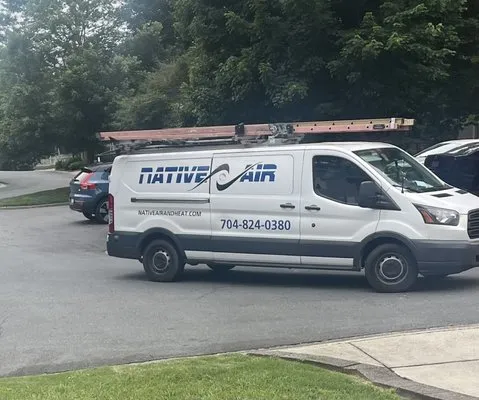
Founded in 2005 and rooted in Choctaw heritage, Native Air brings a deeply held ethic of stewardship and integrity to every HVAC job. As a local, military veteran, family-owned business in Lowell, NC,...

First Choice Heating & Cooling is Lowell's trusted local HVAC expert, dedicated to keeping homes comfortable year-round. We specialize in the precise repair and maintenance services that address the m...
First Resource Heating and Air is Lowell's trusted local HVAC and general contracting partner. We specialize in diagnosing and fixing the common heating and cooling problems Lowell homeowners face, fr...
Q&A
With ozone alerts and spring pollen, can my old ducts handle a better air filter?
While MERV-13 filtration is ideal for capturing pollen and fine particulates, Lowell's common galvanized sheet metal ducts with duct board insulation often have high static pressure. Installing a high-MERV filter in an existing system without an airflow evaluation can restrict flow, reduce cooling capacity, and strain the blower motor. A technician should perform a static pressure test before upgrading filtration.
My furnace seems original to my Lowell house. How much longer should I expect it to last?
Given Lowell's average home construction year of 1968, many gas furnaces are now pushing 58 years old, far exceeding a typical 15-20 year design life. Age accelerates corrosion in galvanized sheet metal ductwork and leads to heat exchanger stress. This vintage, combined with our humid climate, makes the condensate drain line a prime failure point for algae and mold buildup, which can cause water damage and system shutdowns.
My AC quit on a hot afternoon in Downtown Lowell. How fast can someone get here?
A technician dispatched from our shop near Harold Rankin Park can be at your door in 5-10 minutes via I-85. For a no-cool call, we first check for a tripped breaker or a clogged condensate drain switch—common culprits here. If it's a refrigerant leak or compressor issue, we carry R-454B on the truck for immediate diagnosis under the 2026 standards.
My Ecobee thermostat is showing an E4 alert. What does that mean for my system?
An Ecobee E4 code specifically indicates a loss of communication with your HVAC equipment. In Lowell, this is frequently triggered by a safety switch tripping due to a clogged condensate drain line—a direct result of our humid environment promoting algae growth. It can also signal a failed control board or a power interruption. This alert allows for proactive service before a full system shutdown occurs on a weekend.
I have gas heat but hear about heat pumps. Does that make sense for our Lowell winters?
Modern cold-climate heat pumps are effective in Lowell's climate, operating efficiently down to around 5°F. The economic case hinges on Duke Energy's peak electricity rates from 1 PM to 6 PM. A dual-fuel system, which pairs a heat pump with your existing gas furnace as a backup, is often optimal. It uses the heat pump during off-peak hours and switches to gas during peak times or extreme cold, maximizing comfort and cost savings.
What are the rules for installing a new AC with the newer refrigerant?
All installations in Lowell requiring a refrigerant circuit must be permitted through the City of Lowell Planning and Development Department. As of 2026, systems using A2L refrigerants like R-454B must comply with updated safety standards, which include required leak detectors, specific service port configurations, and updated contractor certification. These codes address the mild flammability of A2Ls and are non-negotiable for system legality and safety.
Why does my AC struggle on days above 91 degrees? I thought it was rated for heat.
Local HVAC design uses a 91°F outdoor temperature as the standard for sizing equipment. When actual temperatures exceed this design limit, as they often do, the system's capacity drops and it runs continuously to try to maintain temperature. The newer R-454B refrigerant used in 2026 systems maintains better efficiency and capacity in these high-heat conditions compared to older R-410A, but no system can overcome a significant design deficit.
Is the new 14.3 SEER2 minimum worth the upgrade cost with current electricity prices?
The 14.3 SEER2 mandate for 2026 units represents a significant efficiency jump. At Lowell's rate of $0.14 per kWh, upgrading from a 10 SEER system to a 16 SEER2 model can cut cooling costs by roughly 30%. The active Inflation Reduction Act rebates, with an $8,000 cap, directly offset the premium for high-efficiency equipment, improving the payback period. Duke Energy's Smart Saver program adds another $300 incentive.
