
Top Emergency HVAC Services in Oxford, NC, 27565 | Compare & Call

There are 41 hvac companies server in Oxford NC
I'm Alan Boyd, a licensed HVAC contractor who has been proudly serving Oxford, NC, and the surrounding communities since 2011. Born and raised right here in Granville County, I understand the specific...

Yellow Dot Heating & Air Conditioning
Yellow Dot Heating & Air Conditioning has been serving Raleigh and Wake County since 2002, built on a straightforward principle: taking care of the customer's needs first. We started with a focus on h...
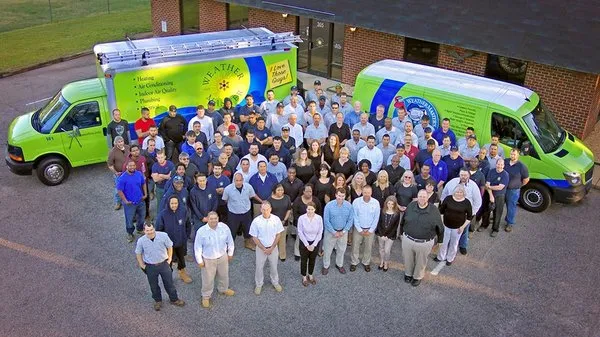
Weather Master Heating and Air Conditioning Company
Weather Master Heating and Air Conditioning has been a trusted name for home comfort in Knightdale and the greater Raleigh Metro Area since 1977. Co-owned and operated by Lee, who brings over 20 years...

For over 40 years, BP Mechanical has been the trusted local choice for heating and air conditioning in Youngsville, NC. Founded on reliable service and word-of-mouth recommendations, we specialize in ...
East Coast Comfort is a trusted HVAC company serving Raleigh and the greater Triangle area. We specialize in honest, reliable heating and air conditioning services, from routine maintenance and repair...
Bunns Heating & Air Conditioning has been the trusted HVAC provider for Louisburg and Franklin County since 1983. Founded by Wayne Bunn, the company built its reputation on reliability and community f...
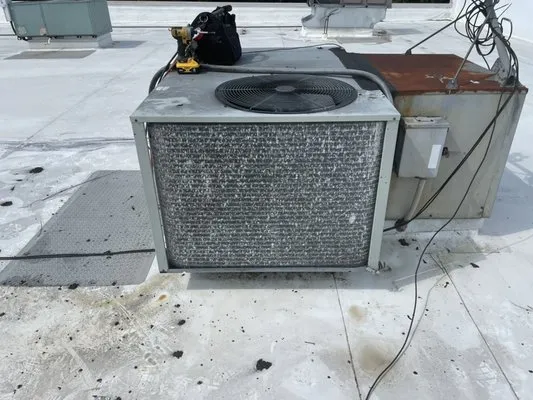
Moore Mechanical
Moore Mechanical is a locally owned and insured HVAC service provider based in Louisburg, NC, serving Franklin County and surrounding areas. Specializing in residential and commercial heating and air ...

MP Mechanical, established in 1990 in Timberlake, NC, is led by Michael, whose expertise in HVAC design and construction was honed through critical projects for local hospitals, including TB isolation...
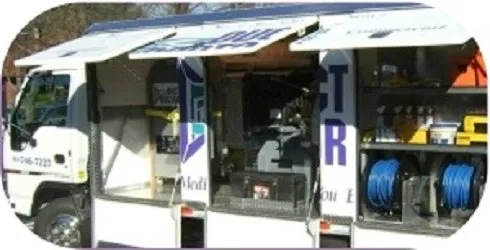
Duct Doctor
Duct Doctor in Raleigh is a family-run operation dedicated to providing honest, expert air duct and HVAC care. Founded in 1985 by a board-certified allergist, our Raleigh branch is part of the origina...
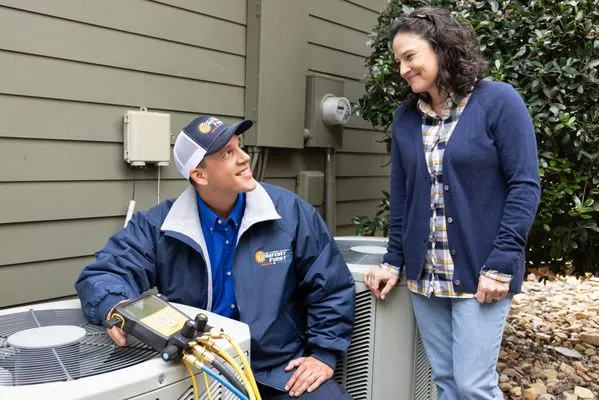
Comfort First Heating and Cooling is a family-owned HVAC company serving Sanford, NC, with deep roots in both military service and home improvement. Founded in 2010 by Art Harmon and Wes McLeod, the b...
Estimated HVAC Service Costs in Oxford, NC
Common Questions
What should I do if my AC stops working during an Oxford heatwave?
First check your thermostat settings and circuit breakers. If those are correct, contact a technician immediately. From our Downtown Oxford location near the Granville County Courthouse, we can typically reach most Oxford addresses within 5-10 minutes via I-85. This rapid response prevents extended exposure to high indoor temperatures that can damage electronics and affect vulnerable residents.
My Ecobee thermostat shows an E1 error code. What does this mean for my Oxford system?
The Ecobee E1 alert indicates a communication failure between your thermostat and HVAC equipment. In Oxford's humid climate, this often results from condensate overflow triggering a safety switch or corroded wiring connections. The error prevents normal operation to avoid equipment damage. A technician should inspect the condensate drainage system and control wiring to restore communication and prevent recurring issues.
Should I consider switching from electric heat to a heat pump in Oxford?
Modern heat pumps provide efficient heating down to approximately 5°F, making them suitable for Oxford's climate. Since most Oxford homes use electric heat, a heat pump can reduce heating costs by 30-50% while providing summer cooling. Programming the system to avoid Duke Energy's 1-6 PM peak hours maximizes savings. The dual functionality makes heat pumps particularly cost-effective for year-round comfort in this region.
Can better air filtration help with Oxford's spring pollen and ozone issues?
Yes, enhanced filtration addresses both April pollen peaks and ozone-related respiratory concerns. MERV-13 filters capture 90% of pollen particles and reduce ozone byproducts. However, Oxford's common fiberboard ductwork may not support MERV-13 without static pressure problems. A professional should measure your system's airflow capacity before upgrading filters to avoid reducing cooling performance or damaging the blower motor.
What regulations apply to new AC installations in Oxford?
All HVAC installations in Granville County require permits from the Granville County Planning and Inspections Department. For systems using R-454B or other A2L refrigerants, 2026 standards mandate special safety measures including leak detectors, ventilation requirements, and equipment room specifications. These regulations address the mild flammability characteristics of modern refrigerants while maintaining their environmental benefits over previous options.
My Oxford home's AC seems to struggle more each summer. Could the age of the system be a factor?
Homes in Oxford average construction around 1970, making many HVAC systems approximately 56 years old. This age places components well beyond typical service life. Older fiberboard ductwork and aging drain pans make condensate line clogs particularly common in these systems. Mineral buildup from decades of operation restricts drainage, often causing water damage before cooling loss becomes noticeable.
Why does my AC seem inadequate on Oxford's hottest days?
Oxford's design temperature of 91°F represents the expected peak cooling demand, but actual temperatures sometimes exceed this threshold. When outdoor temperatures climb above 91°F, even properly sized systems struggle to maintain indoor comfort. The industry-standard R-454B refrigerant maintains better efficiency in extreme heat than older refrigerants, but all systems experience reduced capacity during temperature extremes.
How do the new 2026 efficiency standards affect my cooling costs in Oxford?
The 14.3 SEER2 minimum requirement represents a significant efficiency improvement over previous standards. At Oxford's current 13 cents per kWh rate, upgrading from a 10 SEER to a 16 SEER2 system could save approximately $300 annually on cooling. The Inflation Reduction Act provides rebates up to $8,000 for qualified installations, making high-efficiency upgrades more accessible while reducing long-term operating expenses.
